BRISTLE WORMS IN THE MARINE TANK

What Are Bristle Worms?
Bristle worms (Class Polychaeta) are segmented marine worms distinguished by the rows of tiny, hair-like appendages (called chaetae) protruding from each segment. These bristles help them move through substrate and crevices. They are extremely diverse in the wild, and a handful of species commonly hitchhike into aquariums on live rock or coral frags.
Not all bristle worms are created equal. In your aquarium, you may encounter various types – from small, harmless detritivores to larger species capable of delivering a painful sting if handled carelessly. Understanding which type you’re dealing with is key to deciding how to respond.
- Detritivorous bristle worms – Small, beneficial, help recycle waste.
- Aberrant or harmful species – Larger ones that can irritate fish or corals.
- Predatory bristle worms – Rare but potentially problematic in reef setups.
In a healthy reef tank, bristle worms often go unnoticed because they are shy and most active at night. However, spotting them regularly on the glass or substrate may signal an overabundance of food or imbalanced tank conditions.
Are Bristle Worms Good or Bad for Your Marine Tank?
This is the million-dollar question for many hobbyists. The honest answer: it depends on the species and the context of your tank. Most small bristle worms are beneficial scavengers that help break down uneaten food and detritus, contributing to the overall clean-up crew.
Here’s a closer look at how they can be both helpful and problematic:
Benefits of Bristle Worms
- Natural clean-up crew: They consume decaying matter, leftover food, and organic debris.
- Improved substrate health: Their burrowing aerates the sand bed, which can benefit beneficial bacteria colonies.
- Part of balanced ecology: In reef ecosystems, a variety of invertebrates contribute to nutrient cycling.
Potential Issues with Bristle Worms
- Larger species irritation: Big bristle worms can sting or irritate fish and invertebrates.
- Unsightly appearance: Some hobbyists simply don’t like seeing them crawling on rocks or glass.
- Overpopulation signs: A sudden spike in sightings often points to excess food and poor water quality.
The key takeaway: small numbers of typical bristle worms are not only normal but beneficial in a well-maintained marine tank. Issues generally arise when they proliferate unchecked due to excess nutrients and lack of control.
Identifying Bristle Worms vs. Other Marine Worms
Beginners often mistake bristle worms for other marine worms, some of which can be harmful to corals and fish. Proper identification helps you decide whether action is needed.
- Bristle Worms (Polychaetes): Segmented with bristle-like appendages; typically shy, active at night.
- Fireworms: A type of bristle worm but larger and more aggressive, with stout bristles that can cause painful stings.
- Flatworms: Thin, flat-bodied; some species (like planaria or red flatworms) can harm corals and reef tanks.
- Peanut Worms: Round-bodied, often burrow into substrate; usually harmless but large.
Fireworms deserve special mention because of their reputation. They are indeed bristle worms but belong to a specific group known for thicker, more rigid bristles that can penetrate human skin and cause irritation. If you suspect fireworms, take extra caution and consider removal methods promptly.
If you want to deepen your understanding of reef tank inhabitants, check out our beginner-friendly article.
Causes of Bristle Worm Overpopulation
Seeing one or two bristle worms is normal; seeing dozens slithering around during the day usually signals that something else is amiss. Here are the most common causes of bristle worm overpopulation:
- Excess food in the tank: Uneaten pellets or frozen food piles up and feeds detritivores.
- Poor water flow: Stagnant areas accumulate waste, attracting scavengers.
- Overfeeding: Regular overfeeding fuels detritus buildup and worm population growth.
- Old or dirty substrate: Deep, anoxic patches become refuge for worms.
- Infrequent maintenance: Long gaps between water changes and substrate cleaning let nutrients spike.
Practical tip: if you notice bristle worms becoming more visible during the day, it’s often a sign that they’re competing for limited space or food, which points back to tank imbalance. Addressing the root causes – not just removing the worms – will give you a healthier reef and long-term peace of mind.
Safe Ways to Control Bristle Worms in Your Marine Tank
If you decide that the bristle worm population in your tank has grown too big or includes species you don’t want, there are safe and effective control methods that won’t harm your reef ecosystem.
Manual Removal
- Turn off tank lights at night when worms are most active and use a net to scoop them out.
-
Use a turkey baster to flush worms out of rock crevices into a collecting container.
Manual removal is time-consuming but the safest option because you’re not introducing additional organisms or chemicals into your system.
Natural Predators
Introducing or encouraging natural predators can help keep bristle worm numbers in check. Below are some commonly suggested additions that may help:
- Arrow crabs (Stenorhynchus spp.): Known bristle worm hunters but may pick on small snails and shrimps.
- Certain wrasses: Six-line wrasses (Pseudocheilinus hexataenia) and some fairy wrasses will hunt worms, though personalities vary.
-
Sailfin tang: May nibble on worms and general algae, but needs ample swimming space.
Important compatibility note: not all reef tanks can support these species. Always research temperament and tank requirements before adding new fish. For example, some wrasses are jumpers, and tangs require large tanks with excellent water quality.
Traps and Baits
Specialized bristle worm traps or homemade baits (like pieces of shrimp in a perforated container) can attract worms overnight. Place the bait near problem areas and remove the trap in the morning with worms inside.
- Ensure bait doesn’t dissolve and add nutrients to your tank.
- Check traps frequently and remove captured worms promptly.
Avoid Chemical Treatments
While it might be tempting to reach for aquarium-safe chemicals advertised for pest control, most of these can harm beneficial invertebrates, corals, and the overall microbial balance in your tank. Treatments that disrupt the nitrogen cycle or harm clean-up crew members ultimately create more problems than they solve.
Compatibility and Care Considerations
Whether bristle worms are beneficial or problematic largely depends on your tank’s bioload, inhabitants, and maintenance routine. Before taking action, consider how your planned control method fits with existing tankmates and systems.
Fish That Coexist Well with Bristle Worms
Most reef-safe fish won’t bother bristle worms and live harmoniously in systems where worms remain at low numbers. These include:
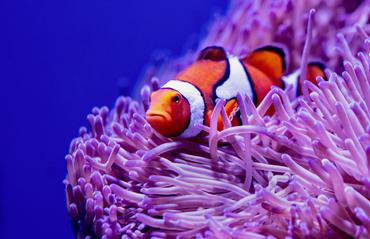
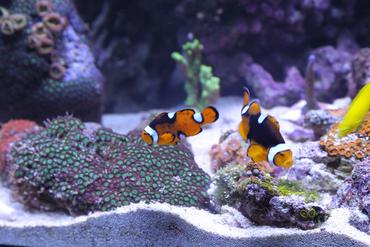
- Clownfish (Amphiprion spp.)
- Gobies (various genera)
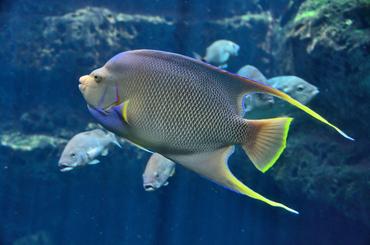
- Dwarf angelfish (Centropyge spp.) – generally safe, though may nip corals
- Blennies (such as Lawnmower blenny)
Species That May Help Control Worms
- Arrow crabs – effective but may disturb small invertebrates like ornamental snails.
- Certain wrasse species – good hunters but can be nippy toward other tankmates.
- Tangs – hardy, active swimmers that may eat small worms but need space and algae-based diets.
Species to Avoid Introducing for Worm Control
- Certain triggerfish and puffers – aggressive and reef-unsafe.
- Large predatory fish that can stress or eat your coral and invertebrates.
If your goal is a peaceful reef tank, avoid introducing species that compromise that goal. Instead, focus on improving water quality, feeding practices, and manual removal before escalating to live predators.
Practical Tips to Prevent Bristle Worm Overgrowth
Prevention is always easier (and more effective) than dealing with overpopulation. Here are some actionable habits that keep bristle worms at manageable levels:
- Feed appropriately: Only as much as your fish and invertebrates can consume within a few minutes.
- Vacuum the substrate: During water changes, remove trapped detritus.
- Maintain proper flow: Ensure water circulation reaches all areas to prevent waste buildup.
- Regular water changes: This removes excess nutrients that fuel detritivores.
- Adequate protein skimming: Helps remove dissolved organic compounds before they break down.
A common beginner mistake is overfeeding, which often goes hand-in-hand with bristle worm booms. If you’re worried about your feeding habits, consider dividing daily portions into smaller, more frequent feedings that your livestock can eat quickly.
Conclusion and Takeaways
Bristle worms are a fact of life in many marine tanks. In small numbers, they act as beneficial scavengers that help your clean-up crew and contribute to substrate health. However, when their population explodes or when harmful species like fireworms appear, they can create headaches for hobbyists. The most effective strategy combines regular tank maintenance, mindful feeding, and, if necessary, safe control methods like manual removal or natural predators that fit your reef’s compatibility profile.
Before you take action, ask yourself: are these worms helping your tank’s ecology, or are they a symptom of an underlying imbalance? Addressing that balance is the true key to a thriving marine aquarium. For more reef tank insights, don’t miss our guides on essential clean-up crew members and reef-safe invertebrates. Happy reef keeping!


MOST RECENT ARTICLES