WHAT NOT TO DO WITH A SALTWATER TANK

1. Rushing the Cycle and Stocking Too Quickly
The absolute cardinal sin of saltwater fishkeeping is impatience, specifically during the initial biological cycling phase. When you set up a new marine aquarium, it is essentially a sterile glass box. Before it can safely support life, it must establish a robust colony of beneficial nitrifying bacteria (primarily Nitrosomonas and Nitrospira) to convert highly toxic ammonia into nitrite, and then into relatively harmless nitrate. This process, known as the nitrogen cycle, typically takes anywhere from four to six weeks, yet eager hobbyists frequently add fish within the first few days.
Introducing livestock too early leads to "New Tank Syndrome," where the accumulation of fish waste causes ammonia levels to spike rapidly. Ammonia burns the delicate gills of your fish, damages their internal organs, and is frequently fatal. To avoid this, you must never add fish until your water tests show absolute zero levels of both ammonia and nitrites.
Even after the cycle is complete, stocking the tank too quickly is a recipe for disaster. The newly established bacterial colony is only large enough to handle the waste of the cycle's biological load. If you introduce a school of fish all at once, you will overwhelm the biofilter, triggering a secondary ammonia spike. Instead, add fish gradually—starting with hardy species—allowing several weeks between additions for the bacterial population to catch up to the increasing biological demand. For a safe and controlled start, read our step-by-step guide on saltwater and reef tank cycling to build a rock-solid biological foundation.
2. Neglecting Water Parameter Stability and Top-Offs
In a marine environment, consistency is far more important than achieving "perfect" textbook numbers. Ocean-dwelling species have evolved over millions of years in incredibly stable chemical environments, meaning they lack the physiological coping mechanisms to handle rapid fluctuations in salinity, pH, or temperature.
One of the most common maintenance errors is improper freshwater top-offs. As water evaporates from your aquarium, only pure water vapor leaves the tank; the salt and mineral content remains behind. Consequently, evaporation causes the salinity of your remaining water to rise. If you top off your tank using saltwater, you will steadily drive the salinity to toxic levels. You must always use pure freshwater—ideally Reverse Osmosis Deionized (RODI) water—to replace evaporated water. For intermediate hobbyists, investing in an Automatic Top-Off (ATO) system is highly recommended to keep salinity perfectly stable throughout the day.
Furthermore, relying on tap water is a major pitfall. Tap water contains chlorine, chloramines, heavy metals, silicates, and phosphates. While water conditioners can neutralize chlorine, they do not remove the phosphates and silicates that fuel aggressive nuisance algae outbreaks, such as hair algae and diatoms. Consistent use of tap water will eventually lead to an uncontrollable algae blanket that chokes out your corals and ruins the aesthetic of your tank.
- Never top off an evaporating marine tank with saltwater; always use pure, unsalted RODI water.
- Avoid using tap water under any circumstances, as its chemical impurities fuel massive algae blooms.
- Do not let your water temperature fluctuate by more than two degrees Fahrenheit within a 24-hour period.
- Never skip weekly or bi-weekly water testing for salinity, pH, alkalinity, ammonia, nitrite, and nitrate.
To help you prepare your water properly from the start, check out our comprehensive walkthrough on preparing saltwater for your marine tank to ensure you avoid harmful chemistry fluctuations.
3. Overlooking Species Compatibility and Marine Care Requirements
Selecting livestock based solely on visual appeal is a fast track to territorial warfare and biological incompatibility. In the vastness of the ocean, fish can easily escape aggressive neighbors. In the tight confines of a home aquarium, however, an aggressive fish will relentlessly harass, injure, or kill subordinate tankmates.
Before purchasing any marine species, you must thoroughly research its adult size, temperament, dietary needs, and compatibility with other species. For instance, putting a semi-aggressive Damselfish (such as the Blue Velvet Damselfish) in a compact tank with peaceful species like Firefish or Royal Grammas will result in constant stress and physical damage. Similarly, certain species are aggressive toward members of their own kind; putting two male Dwarf Angelfish in the same medium-sized tank will inevitably lead to a fight to the death.
Furthermore, you must distinguish between "fish-only" species and "reef-safe" species if you plan to keep corals. Many beautiful fish, including most Butterflyfish, Large Angelfish, and certain wrasses, view corals, decorative shrimp, and clean-up crew invertebrates as food. Introducing a non-reef-safe fish into a coral tank will result in your expensive corals being picked clean and destroyed.
Consider the following popular species compatibility and care guidelines:
-
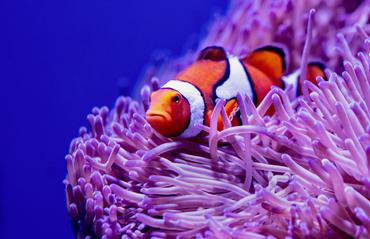
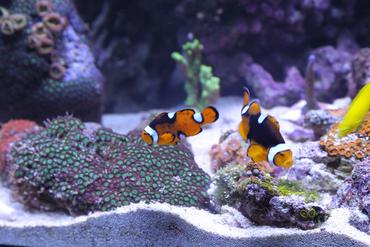
Clownfish (Amphiprion ocellaris): Extremely popular and generally hardy, but they can become highly territorial as they mature, especially when nesting. It is best to keep them in bonded pairs and avoid adding closely related anemonefish species to the same tank.
- Damselfish (Pomacentridae family): Often sold as cheap, hardy starter fish, but many species become incredibly aggressive and territorial, making it nearly impossible to introduce peaceful tankmates later.
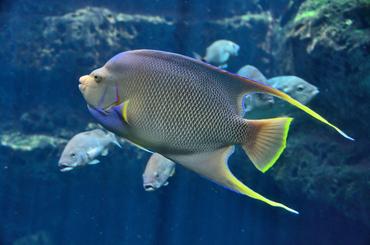
- Dwarf Angelfish (Centropyge family): Beautiful and active, but they require a mature tank with plenty of live rock to graze on. Be cautious, as some individuals may nip at stony corals and clam mantles.
- Tangs/Surgeonfish (Acanthuridae family): Visually stunning, but they require large, long tanks (often 75 to 120+ gallons minimum depending on the species) for swimming space and are highly prone to territorial aggression and marine ich if cramped.
If you are looking to source fish that are hardy and highly adaptable to home systems, read our article on tank-raised fish for saltwater aquariums to set your community up for success.
4. Bad Filtration Practices and Overfeeding
In a saltwater aquarium, waste management is a constant uphill battle. Because marine fish are highly sensitive to organic pollutants, poor mechanical and chemical filtration practices will quickly degrade your water quality. A common mistake is using undersized filtration units or neglecting regular maintenance on your filter socks, sponges, and protein skimmer.
Overfeeding exacerbates filtration issues dramatically. Beginners often worry their fish are starving and feed multiple times a day, dropping in more food than the fish can consume in two minutes. Uneaten food quickly sinks into the crevices of your live rock, where it decays and releases massive amounts of phosphates and nitrates into the water column. High phosphate levels not only fuel unsightly algae growth but also actively inhibit calcification in stony corals, stopping their growth entirely.
To combat this, you should feed your fish small amounts once or twice a day, ensuring that no food reaches the bottom of the tank uneaten. Additionally, a protein skimmer is highly recommended for saltwater setups; it physically removes organic compounds from the water before they can break down into harmful nitrogenous waste, providing an invaluable safety net for your biological filtration.
5. Skipping Quarantine and Medication Protocols
Perhaps the most expensive and heartbreaking mistake a marine hobbyist can make is introducing a new fish directly into the display tank without a quarantine period. Marine parasites and diseases, such as Marine Ich (Cryptocaryon irritans), Marine Velvet (Amyloodinium ocellatum), and Uronema, are incredibly common in the wholesale supply chain. If you purchase an infected fish and drop it directly into your main tank, you run the risk of wiping out your entire fish population within days.
A simple, bare-bones quarantine tank (QT) consisting of a 10-gallon glass aquarium, a basic sponge filter, a heater, and some PVC pipes for hiding spots can save you thousands of dollars and immense frustration. All new fish should be quarantined for a minimum of 30 days. This observation window allows you to monitor the fish for signs of disease, ensure it is eating well, and treat it with copper-based medications or active therapeutic protocols if necessary, far away from your sensitive corals and invertebrates.
For more detailed insights on the fundamental differences between system environments and general care demands, make sure to read our breakdown comparing saltwater versus freshwater aquariums before planning your next biological upgrade.
6. Crucial Key Takeaways for Long-Term Success
Maintaining a flourishing saltwater aquarium is not an impossible task, but it does demand discipline, patience, and a willingness to learn from the collective experiences of the hobbyist community. By avoiding the temptation to rush the biological cycle, maintaining absolute chemical stability through proper RODI top-offs, carefully researching species compatibility, and strictly enforcing a quarantine protocol, you eliminate the vast majority of variables that cause aquarium failure.
Remember that the most successful marine aquariums are those allowed to mature slowly over time. Treat your tank as a delicate living art piece that requires steady, incremental adjustments rather than drastic, rushed interventions. If you are ready to take your tank to the next level, continue your learning journey by browsing our extensive archives, testing your water regularly, and engaging with fellow hobbyists to share your progress and refine your skills.


MOST RECENT ARTICLES