COMMON MYTHS AND PROBLEMS REGARDING NANO REEF TANKS

Myth #1: Nano Reef Tanks Are “Beginner-Friendly” Saltwater Setups
One of the biggest myths in the aquarium hobby is that nano reef tanks are automatically easier to manage than larger reef systems. While it’s true that smaller tanks require less water and take up less space, they demand greater consistency and attention to detail.
- Smaller Water Volume = Less Stability: A 10–20 gallon nano reef can swing dramatically in temperature, pH, and salinity compared to a 50+ gallon system.
- Frequent Testing Required: Fluctuations in ammonia, nitrites, nitrates, alkalinity, and calcium happen more quickly in nano tanks.
- Equipment Must Be Precise: A quiet, appropriately sized protein skimmer, reliable heater, and accurate test kits are essential.
Many beginners underestimate how quickly parameters can change in a small system. That’s why educational resources like our Nano Reef Setup Guide are crucial — they walk you through the key steps of a successful build.
Misconception #2: You Can Stock a Nano Reef Tank Just Like a Larger Reef
Stocking a nano reef tank is arguably the most misunderstood topic. You cannot simply shrink a list of fish and corals from a 75-gallon reef and expect them to thrive in 15 gallons.
- Please Be Mindful of Bioload: Nano tanks are sensitive to high bioloads. Too many fish or messy feeders can lead to rapid water quality degradation.
- Avoid Large or Active Fish: Species like firefish (e.g., Nemateleotris magnifica ) or small gobies (e.g., Coryphopterus spp. ) are popular nano choices, but schooling fish or larger wrasses are not appropriate.
- Slow-Growing Corals Rule: Soft corals like zoanthids and small mushrooms work well, while large LPS corals with heavy feeding requirements may not.
If you’re unsure which fish or corals fit best, check out our curated list of Best Nano Reef Fish and Corals. This article breaks down compatible choices with care tips specific to smaller volumes.
Common Problem #1: Rapid Parameter Fluctuations
In a nano reef, even a minor change in water chemistry can have big impacts. Beginners often see spikes in ammonia or alkalinity swings that stress livestock.
Why It Happens
- Small water volume reacts quickly to feeding mistakes or sudden losses in salinity.
- Temperature shifts are more pronounced without proper heating or cooling control.
- Manual parameter adjustments overshoot due to concentrated dosing efforts.
Practical Solutions
- Test Often: Daily checks of salinity, temperature, and key nutrients help catch problems early.
- Make Small Adjustments: Instead of big dose changes, dial in increments and observe over 24–48 hours.
- Maintain Consistent Routines: Regular small water changes — for example, 5–10% weekly — help stabilize water chemistry.
Temperature control is especially critical. A small heater set at the edge of the tank can create hot spots; consider a heater guard and a reliable aquarium controller for even heat distribution.
Common Problem #2: Algae Explosions in Nano Tanks
Algae outbreaks are a frequent source of frustration for nano reef keepers. Green hair algae, diatoms, and cyanobacteria can quickly take over when conditions aren’t balanced.
Root Causes
- Excess nutrients from overfeeding or insufficient filtration.
- Too much light intensity or improper photoperiods.
- Poor water flow creating dead zones where detritus accumulates.
How to Fix and Prevent Algae Growth
- Control Feeding: Feed just enough for your fish to consume within two minutes — uneaten food fuels algae growth.
- Adjust Lighting: Use a timer to simulate natural daylight and avoid running intense lighting for more than 8–10 hours daily.
- Improve Flow: Nano tanks benefit from dual powerheads to reduce low-flow areas and help corals flourish.
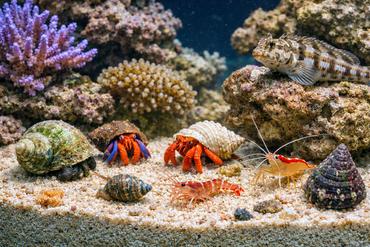
Consider adding a tidy cleanup crew: small snails like Babantia and peppermint shrimp can help control algae if your tank’s rockwork allows it. Always research compatibility before adding any invertebrate.
Compatibility and Care Considerations in Nano Reef Tanks
Compatibility in nano reefs goes way beyond simple fish-to-fish relationships. You must consider fish, corals, invertebrates, lighting, flow, and even substrate interactions.
Fish Compatibility
- Small Gobies and Blennies: Generally peaceful and reef-safe. Examples include the neon goby and clown goby.
- Cautious with Damsels: Some damsels are aggressive; only select calmer species in very small numbers.
- Avoid Larger or Fast Swimmers: Wrasses and tangs are not suited to most nano tanks due to high activity and space needs.
Coral Compatibility
- Soft Corals: Zoanthids, mushrooms, and leather corals are easier to care for and adapt well.
- LPS Corals: Some small LPS corals can work, but be cautious with aggressive feeders that can foul water quickly.
- Avoid Aggressive SPS in Small Systems: SPS corals require stable, high-intensity lighting and pristine water that nano systems struggle to maintain.
Invertebrate Considerations
- Snails and Hermit Crabs: Helpful cleanup crew but can multiply quickly in nutrient-rich tanks.
- Feather Duster Worms: Beautiful but sensitive to water parameter shifts.
Livestock Pairings to Avoid
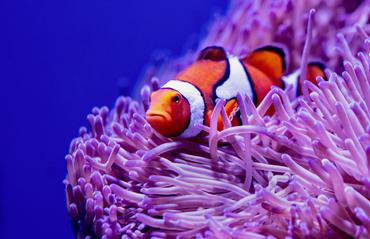
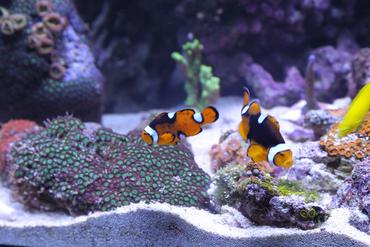
- Clownfish with highly territorial damsels in under 20 gallons.
- Overstocking gobies and blennies together without enough live rock hiding spaces.
Balancing these compatibility issues ensures smoother aquarium operation and healthier inhabitants. When in doubt, lean on community guidance and thorough species research. Our article on Reef Fish Compatibility Guide provides deeper insights into pairing choices.
Practical Maintenance Tips for Nano Reef Success
A well-maintained nano reef is not about grand gestures but consistent care and smart routines. Here are actionable maintenance tips that can make a measurable difference.
- Daily Quick Checks: Observe livestock behavior and check for obvious algae, feeding remnants, or equipment issues.
- Weekly Water Changes: Even small amounts go a long way in removing nitrates and replenishing trace elements.
- Filter Media Rotation: Clean mechanical filtration weekly and replace chemical media like carbon monthly.
- Protein Skimmer Adjustment: Fine-tune to produce a light, consistent foam — over-skimming can strip beneficial trace elements.
- Top-Off with Freshwater: Evaporation skews salinity, so top off with freshwater (not saltwater) to maintain stable specific gravity.
By scheduling these tasks, you avoid the “panic mode” maintenance that often accompanies parameter crashes.
Case Study: Troubleshooting a Cloudy Nano Reef Tank
Meet Sam, a hobbyist who recently set up a 15-gallon nano reef. After cycling completed, Sam’s tank turned cloudy and his water tests showed elevated nitrates within just a few days. Life in the tank seemed stressed, even though he thought he followed the right steps.
Diagnosis
- Overfeeding: Uneaten food was decomposing and fueling nitrate spikes.
- Poor Flow: A single low-output pump wasn’t circulating water effectively, leading to dead spots.
- Lack of Frequent Testing: Sam checked parameters only twice a week, missing early warning signs.
Solution
- Reduced feedings to once daily, tiny portions.
- Added a second powerhead to improve circulation.
- Started daily parameter checks and small water changes.
Within one week, cloudiness cleared, and his fish and corals began showing normal behavior again. This highlights how small tweaks — not major overhauls — often fix nano tank problems.
Takeaway: Why Understanding Myths Matters
Nano reef tanks can be incredibly rewarding, bringing vibrant coral colors and fascinating marine behaviors into a compact space. However, beginners and intermediate hobbyists alike must separate myth from fact to be successful. Nano tanks are not “easy” by default — they require careful planning, consistent maintenance, and thoughtful stocking. By debunking misconceptions about ease of care, stocking rules, and water stability, you equip yourself with the knowledge to avoid common pitfalls and build a thriving miniature reef.
If you want to dive deeper into specific stocking ideas, system setups, or troubleshooting techniques, explore our in-depth guides on and. Join the conversation in the comments below and share your nano reef experiences!


MOST RECENT ARTICLES