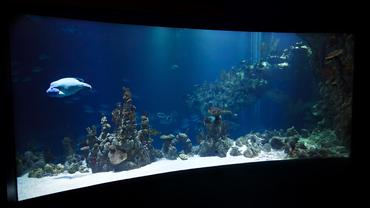
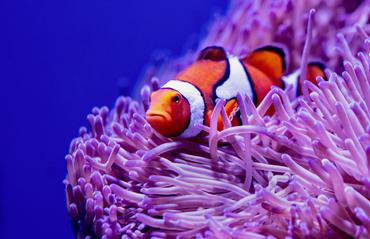
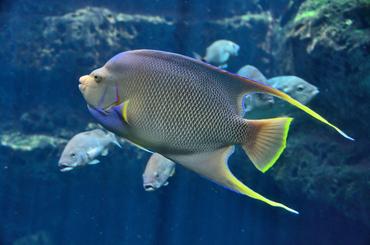
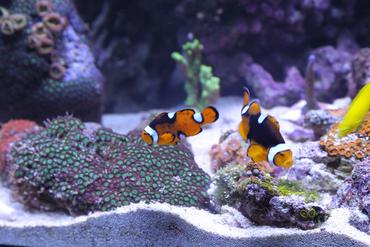
In the high-stakes world of saltwater and reef keeping, the rockwork—often referred to as the "aquascape"—is the literal and figurative foundation of your entire ecosystem. Unlike freshwater tanks where stones are often purely decorative accents, the rock in a marine system serves as your primary biological filter, providing a massive, porous surface area for billions of nitrifying bacteria to colonize. Beyond its chemical importance, the way you stack, glue, and arrange your stones determines the flow of water around your corals, the gas exchange at the surface, and the psychological well-being of your fish. A poorly designed rockscape can lead to "dead zones" where detritus accumulates, triggering nitrate spikes and hair algae blooms, while a well-thought-out design creates a thriving, multi-dimensional habitat. Whether you are working with traditional live rock or modern dry rock, mastering the art of the marine scape is the first step toward a stable, stunning, and sustainable reef.
Choosing Your Foundation: Live Rock vs. Dry Rock vs. Man-Made
The first decision any saltwater hobbyist faces is the type of rock to use as the skeleton of their reef. Historically, "Live Rock" harvested directly from the ocean was the only way to start a tank. This rock arrived teeming with beneficial bacteria, coralline algae, and tiny crustaceans that jump-started the nitrogen cycle. However, the hobby has evolved. Due to environmental concerns regarding reef harvesting and the high risk of introducing "hitchhikers" like Aiptasia, pest nudibranchs, or predatory crabs, many modern aquarists are turning to dry or man-made alternatives.
Natural Live Rock: Offers instant biological cycling and a beautiful, weathered aesthetic. The downside is the cost and the potential for introducing pests that can take years to eradicate.
Dry Macro or Lace Rock: This is pest-free and allows you to take your time building complex structures on a dry workbench using epoxy and mortar. However, it requires a much longer "curing" and "seeding" period to become biologically active.
CaribSea LifeRock: A popular man-made option that is coated with a purple aragonite-based finish to mimic coralline algae and infused with dormant bacteria. It provides the "live" look immediately without the pests.
For beginners, starting with dry rock is often the wisest path. It allows you to learn about maintaining clean aquarium water without the variable of dying organisms on fresh live rock. Regardless of the type, ensure the rock is highly porous. The internal "micro-tunnels" within the rock are where anaerobic bacteria live, which...
Walking into a local fish store and seeing a high-end reef display for the first time is often what hooks people into the saltwater hobby. The sheer intensity of the colors—neon greens, electric blues, and fiery oranges that seem to glow from within—is unlike anything found in terrestrial gardening. However, for the beginner or intermediate hobbyist, choosing corals based solely on a pretty face can lead to frustration. Some of the most vibrant corals in the ocean are notoriously difficult to keep, requiring specialized lighting and perfect water chemistry. Fortunately, there is a "sweet spot" in the hobby where breathtaking color meets manageable care. By selecting species that are resilient yet visually stunning, you can transform your aquarium into a living rainbow without the stress of constant chemical monitoring. In this guide, we will count down the top five most colorful corals that are perfect for adding that "wow factor" to your home reef.
1. Zoanthids and Palythoas: The Garden of Many Colors
Often referred to as "Zoos" or "Button Polyps," Zoanthids are perhaps the most diverse group of corals in the hobby. They grow in colonial mats and come in thousands of named "designer" varieties, such as Radioactive Dragon Eyes, Fruit Loops, and Utter Chaos. Their colors are often multi-layered, with a different hue for the center (the mouth), the plate, and the surrounding tentacles (the skirt). Because they are soft corals, they are incredibly hardy and can thrive in a wide range of lighting and flow conditions, making them the ultimate choice for a beginner looking for maximum color impact.
The beauty of Zoanthids is that they can be placed almost anywhere in the tank. If you have a bare patch of rock or a section of the sand bed, a few small frags will eventually spread to create a vibrant carpet. However, a common mistake is underestimating their growth rate; some varieties can become invasive, growing over more delicate stony corals. Additionally, while they are beautiful, many Zoanthids and Palythoas contain palytoxin, a potent neurotoxin. Always wear gloves and eye protection when handling them outside of the water. To ensure your tank is ready for these colorful inhabitants, make sure the process of cycling a fish tank is fully complete and your nutrients are stable.
Lighting: Low to moderate; they display their best "neon" colors under actinic (blue) lights.
Placement: Lower to mid-level rocks; some hobbyists keep them on isolated "islands" to control...
One of the most debated questions in the reef-keeping community is whether a hobbyist should start with a small, manageable "nano" tank or dive headfirst into a massive, multi-hundred-gallon display. The allure of a large reef is undeniable: more room for iconic fish like Tangs and Angelfish, a wider variety of corals, and the sheer prestige of a room-spanning ecosystem. However, the old adage in the hobby suggests that "bigger is better" because larger volumes of water are more stable and forgiving of mistakes. While there is significant scientific truth to the idea that dilution protects against chemical swings, a larger tank also brings exponential costs, increased maintenance time, and a much higher penalty for failure. Choosing the right size for your reef is a deeply personal decision that balances your budget, your patience, and your ultimate goals for the livestock you wish to keep. In this comprehensive guide, we will explore the pros and cons of tank volume to help you decide if a massive reef or a compact nano is the right fit for your home.
The Stability Factor: The Science of Dilution and Thermal Mass
The primary argument for a large reef tank is the biological and chemical stability provided by water volume. In a small 10-gallon nano tank, a single dead snail or a slight overfeeding can lead to an immediate ammonia spike that wipes out the entire system. In a 120-gallon tank, that same dead snail is a drop in the bucket; the volume of water dilutes the toxins, giving your biological filter more time to process the waste before it becomes lethal. This "buffer" is why many experts recommend that beginners start with at least a 40-gallon breeder or a 75-gallon setup. Before you commit to any size, it is essential to understand the process of cycling a fish tank, as the nitrogen cycle behaves differently across various volumes. In a larger system, the sheer population of nitrifying bacteria on the live rock acts as a much larger "engine" for processing waste.
Stability also extends to temperature and salinity. Small tanks lose heat quickly and are subject to rapid salinity increases due to evaporation. A larger body of water has more thermal mass, meaning it takes much longer to overheat during a summer power outage or chill during a winter freeze. Furthermore, while an inch of evaporation in a 10-gallon tank might swing the salinity by several points, that same inch in a 180-gallon tank is barely a blip on the refractometer. This inherent stability makes larger tanks more suitable for sensitive...
There is a shared, deeply frustrating rite of passage that almost every aquarium hobbyist faces at some point: turning on the tank light to find your once-pristine aquascape draped in unsightly, stubborn fuzz.
Every aquarium hobbyist, whether a complete beginner establishing a first desktop display or an experienced aquascaper managing a heavily planted setup, eventually comes face-to-face with an unsightly algae bloom.
Every aquarium keeper eventually battles the dreaded nitrate buildup, relying on endless water changes, gravel vacuuming, and heavy filter maintenance to keep water parameters safe for their fish.
Every saltwater hobbyist remembers the thrill of introducing their first piece of live rock or colorful coral fragment into a brand-new home reef aquarium.
If you’ve ever stood in front of a wall of aquarium food bags and jars wondering what products actually deliver on nutrition for your saltwater fish, you’re not alone.
Starting a saltwater aquarium is often viewed as the "final frontier" of the fishkeeping hobby, a complex endeavor reserved for those with years of experience and deep pockets.
REEF TANKS
Cultivating a saltwater reef tank can be a rewarding experience but it can also be a challenge. The articles in this section will provide you with the information you need to set up your reef tank and to make sure that it thrives.
Building a successful reef aquarium is one of the most rewarding pursuits in the fishkeeping hobby, transforming a simple glass tank into a vibrant, living slice of the ocean right in your home.
A nano reef aquarium is a small-scale marine ecosystem, typically under 30 gallons in capacity, designed to support live corals, saltwater fish, and invertebrates in a compact footprint.
Few hobbies match the captivating beauty of a thriving saltwater reef tank, where vibrant corals, energetic invertebrates, and brilliant marine fish come together to form a living piece of the ocean inside your home.
Stepping into the world of reef keeping is one of the most rewarding journeys in the aquarium hobby, transforming a simple glass tank into a vibrant, living underwater ecosystem.
If you’re excited about setting up a nano reef tank — a beautiful miniature version of a coral reef right in your living room — you’ve probably encountered a mix of great advice and confusing misinformation.
Transitioning from a fish-only saltwater tank to a vibrant reef aquarium is one of the most exciting milestones in the hobby, but it often comes with a steep learning curve and the intimidating prospect of expensive lighting upgrades.
One of the most debated questions in the reef-keeping community is whether a hobbyist should start with a small, manageable "nano" tank or dive headfirst into a massive, multi-hundred-gallon display.
In the high-stakes world of saltwater and reef keeping, the rockwork—often referred to as the "aquascape"—is the literal and figurative foundation of your entire ecosystem.
The allure of the ocean is undeniable, and bringing a slice of that mysterious, vibrant world into your home through a saltwater aquarium is one of the most rewarding challenges a hobbyist can undertake.
Transitioning from freshwater fishkeeping to setting up a marine aquarium is one of the most rewarding milestones in the hobby, bringing vibrant coral reefs and strikingly colorful marine life directly into your living space.
Embarking on the journey of setting up a new aquarium is one of the most rewarding experiences a hobbyist can have, yet it is also the phase where the most critical, and often avoidable, mistakes are made.
Diving into the world of fishkeeping is an incredibly rewarding journey, but before you pick out your first tank or fall in love with a specific species, you face a foundational crossroads: saltwater versus freshwater.
Brackish water aquariums occupy a fascinating middle ground between freshwater and saltwater ecosystems, representing the dynamic coastal estuaries, mangrove swamps, and tidal river mouths where river currents meet the ocean[cite: 1].
Transitioning into the marine side of the aquarium hobby is an exhilarating step, but the shimmering clarity of a pristine reef tank starts long before your first clownfish or royal gramma enters the display.
Setting up your first aquarium—or upgrading a thriving community tank—is an exciting journey, but maintaining crystal-clear water and healthy livestock can quickly become overwhelming without the right gear.
Saltwater aquariums offer some of the most visually striking and rewarding experiences in the fishkeeping hobby, but choosing the right type of marine tank is critical to long-term success.
While most marine aquarium hobbyists spend their days admiring the vibrant colors and frantic activity of their fish under bright reef lights, a secret world wakes up just as the sun goes down.
Setting up a saltwater aquarium is often viewed as the pinnacle of the fish-keeping hobby, offering access to neon-colored corals and some of the most charismatic marine life on the planet.
If you have ever stood on a tropical beach and watched the rhythmic surge of the tide or the powerful crash of waves against a coral head, you have witnessed the lifeblood of the ocean in action.
Embarking on the journey of a saltwater aquarium is an exhilarating endeavor that brings a slice of the ocean’s vibrant mystery into your living room, yet it often comes with a steep learning curve that can frustrate even the most dedicated hobbyists.
Reef tanks are often described as living works of art, but behind every thriving coral reef aquarium is a consistent and well-planned maintenance routine.
Marine fungus — that cottony, white, or gray growth on your fish’s body, fins, or mouth — can be one of the most frustrating problems for saltwater aquarium hobbyists, especially when it appears out of nowhere.
Starting a saltwater or reef aquarium is one of the most rewarding journeys a hobbyist can undertake, but the bridge between a glass box of water and a thriving marine ecosystem is a critical process known as "the cycle.
For many aquarists making the exciting leap from freshwater to marine setups, water parameters can quickly feel like a confusing maze of shifting chemical terms.
Every aquarium keeper, whether maintaining a 10-gallon desktop tank or a 125-gallon display, quickly learns that water clarity does not equal water quality.
Maintaining a thriving marine environment requires careful attention to water chemistry, and few parameters are as critical—or as frequently misunderstood—as pH.
Starting a saltwater aquarium is one of the most rewarding endeavors a fish hobbyist can embark upon, offering a vibrant window into the complex, mesmerizing world of marine life.
Few things match the sudden jolt of panic a saltwater hobbyist feels upon hearing a sharp, metallic clicking sound echoing from their aquarium late at night.
Lighting a reef aquarium is one of the most exciting yet intimidating milestones for any marine hobbyist, marking the transition from a simple fish-only setup to a living, photosynthesizing underwater ecosystem.
If you have ever spent time wandering along a coastal beach, you have probably noticed patches of thick, white sea foam washing up where the waves crash against the shore.
Maintaining a stable environment is one of the most critical aspects of running a successful marine aquarium, yet many hobbyists overlook the subtle threat of rising temperatures until it is too late.
Maintaining a stable marine environment is one of the most rewarding challenges in the aquarium hobby, yet heating issues remain a top cause of sudden livestock loss for beginner and intermediate saltwater aquarists.
Walking up to your marine display only to find a layer of thick, white, or yellowish foam gathering across the surface can be an unsettling sight for both beginner and experienced hobbyists.
If you have ever stared into a marine aquarium suffering from an uncontrollable algae bloom or wondered why your delicate corals refuse to expand, the answer often hides right in your tap water.
Maintaining a vibrant, thriving marine aquarium requires far more than balancing salinity and setting up high-end lighting; it demands a deep understanding of the diverse nutritional needs of your livestock.
Maintaining a vibrant, thriving saltwater aquarium is one of the most rewarding pursuits in the fishkeeping hobby, yet many aquarists discover that keeping marine life healthy requires far more than pristine water parameters and high-end lighting.
Transitioning from a basic freshwater setup to a vibrant marine aquarium is an exhilarating step for any hobbyist, but keeping saltwater species healthy requires a sharp focus on proper nutrition.
Culturing your own live foods is one of the most effective ways to upgrade your fishkeeping routine, and learning how to raise brine shrimp (Artemia) is by far the easiest place to start.
Maintaining a vibrant saltwater aquarium is one of the most rewarding endeavors in the fishkeeping hobby, yet few experiences are as disheartening as watching a prized fish succumb to a preventable illness.
Every experienced saltwater hobbyist remembers the stomach-drop moment of shining a flashlight into their tank after lights-out, only to find their prized Yellow Tang or pair of Clownfish looking as if they have been dusted with coarse table salt.
Every aquarist eventually faces that stomach-dropping moment: you walk up to your display tank with a handful of flake food, only to notice your favorite Neon Tetra dusting itself against the gravel, or your Betta sitting on the substrate with frayed, pale fins.
Creating a thriving community aquarium is perhaps the most rewarding endeavor in the fish-keeping hobby, offering a dynamic window into an ecosystem where diverse species coexist in a delicate biological balance.
Creating an underwater landscape that is both visually stunning and biologically stable is one of the most rewarding milestones for any aquarium enthusiast.
Starting a new saltwater aquarium is one of the most exciting ventures a fish enthusiast can undertake, but navigating the setup process requires patience, dedication, and a solid understanding of biological filtration.
Live rock is widely considered the beating heart of a thriving saltwater aquarium, functioning as both a natural biological filter and the structural foundation for your marine aquascape.
If you’ve ever peered into a vibrant reef aquarium and watched a pair of clownfish dart in and out of a swaying anemone, you understand why these charismatic fish are among the most beloved in the hobby.
With their delicate, disk-like bodies and intricate color patterns, Butterflyfish are often the first species that come to mind when people envision a vibrant coral reef.
For many saltwater aquarium enthusiasts, tangs are the crown jewels of the reef tank: dazzling colors, active personalities, and a knack for keeping nuisance algae in check make these fish stand out in the marine hobby.
Sea anemones are among the most captivating inhabitants of reef aquariums, offering vibrant color, dynamic movement, and an interactive presence that few other invertebrates can match.
The transition from a freshwater setup to a marine environment is often described by hobbyists as moving from black-and-white television to high-definition color.
Seahorses are undeniably among the most mesmerizing creatures in the entire marine realm, charming aquarium enthusiasts with their prehensile tails, upright posture, expressive eyes, and graceful, deliberate movements.
When hobbyists talk about setting up a successful marine aquarium, colorful reef fish like Ocellaris Clownfish and vivid corals usually take center stage, but behind every pristine reef environment is an unsung hero working tirelessly around the clock: the humble saltwater snail.
Entering the marine aquarium hobby often begins with a single moment of awe: watching a vibrant yellow tang glide past a rich reef backdrop or seeing the electric violet and gold hues of a royal gramma flash through live rock.
Adding a sea urchin to your saltwater aquarium is one of the most effective and fascinating ways to tackle nuisance algae while introducing a truly captivating invertebrate to your marine ecosystem.
Known for their vibrant coloration, sleek aerodynamic profiles, and tireless activity, tangs—also commonly referred to as surgeonfish—are among the most iconic inhabitants of the marine aquarium hobby.
Transitioning into the vibrant realm of marine aquariums is one of the most rewarding journeys a fishkeeper can undertake, yet stocking a reef or fish-only tank often presents a frustrating challenge when relying solely on local fish stores.
Building a thriving saltwater aquarium is one of the most rewarding milestones in the fishkeeping hobby, but transitioning into the world of live corals introduces an entirely new set of rules.
Starting a saltwater aquarium is one of the most rewarding journeys in the fish-keeping hobby, but it does not take long for a beautiful new setup to face its first major challenge: the inevitable algae bloom.
The allure of a saltwater aquarium is undeniable, offering a window into a world of electric neons, intricate behaviors, and some of the most fascinating biological relationships on the planet.