THE SURPRISING HEALTH BENEFITS OF A HOME AQUARIUM

The Physiology of the Blue Space Effect
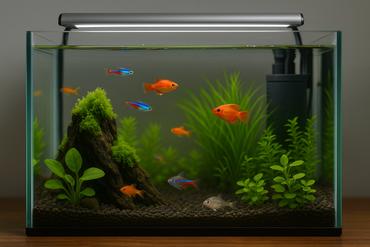
Scientists have long studied the concept of Blue Space—the idea that being near or looking at water has a transformative effect on human health. An aquarium provides a concentrated version of this effect. Studies conducted by the National Marine Aquarium in the UK revealed that people who spent time watching a fish tank experienced a significant drop in both heart rate and blood pressure. The effect was measurable within the first five minutes of observation. This physiological relaxation response is particularly beneficial for individuals dealing with high-stress jobs or chronic anxiety, as it triggers the parasympathetic nervous system, helping the body move from a state of fight or flight into a state of rest and digest.
To maximize these physical benefits, the choice of species matters. While a fast-paced tank with aggressive cichlids might be exciting, it doesn't offer the same calming effect as slow-moving, graceful species. For a truly relaxing display, many hobbyists opt for long-finned varieties or schooling fish that move in a synchronized, rhythmic fashion. The visual flow of these animals mimics the movement of tall grass in the wind or waves on a beach, which the human brain is hardwired to find soothing. If you are looking to lower your daily stress levels, consider these calming residents:
- Fancy Goldfish: Their slow, waddling swimming style is inherently peaceful and meditative to watch.
- Angel Fish: Their graceful, gliding movements create a sense of underwater elegance.
- Cardinal Tetras: A large school moving together creates a mesmerizing, rhythmic blue-and-red shimmer.
- Discus: Known as the kings of the aquarium, their calm demeanor and plate-like shape provide a stable focal point.
- Glass Catfish: Their translucent bodies and subtle movements offer a unique, ethereal visual experience.
Mental Health and the Power of Routine
Beyond the immediate physical relaxation, the act of maintaining an aquarium provides significant mental health benefits through the power of routine and responsibility. For those struggling with depression or burnout, the simple, necessary tasks of feeding fish and checking equipment can provide a sense of purpose. Fishkeeping requires a level of mindfulness; you must pay attention to small details, such as the way a fish is swimming or the clarity of the water. This forced focus acts as a form of active meditation, pulling your mind away from external stressors and anchoring it in the present moment. This is particularly relevant when you are first learning the process of cycling a fish tank, as it teaches patience and the rewards of long-term care.
Furthermore, the creative aspect of aquascaping allows for artistic expression, which is a known stress-reliever. Designing a layout with driftwood, rocks, and live plants gives the keeper a sense of control over a tiny, perfect world. This hobby also fosters a connection with nature that many people lack in urban environments. Watching a plant grow a new leaf or seeing a pair of fish exhibit spawning behavior provides a profound sense of accomplishment. It is a reminder of the cycles of life and growth, which can be incredibly grounding during difficult personal times. However, it is vital to keep your parameters stable, as the stress of a failing tank can negate these benefits. Understanding the dangers of high ammonia, nitrite and nitrate is essential to ensuring your "zen zone" doesn't become a source of frustration.
Aquariums and Improved Sleep Quality
One of the most surprising benefits of a home aquarium is its ability to combat insomnia and improve the quality of sleep. The gentle "white noise" produced by a high-quality filter or a subtle air stone can mask disruptive household sounds, creating a consistent auditory environment. Furthermore, the light from a well-designed aquarium can serve as a calming transition during the evening. Many modern LED systems include a "moonlight" or "sunset" phase, which utilizes dim blue or amber tones. This gradual dimming helps signal to the brain that it is time to wind down, unlike the harsh blue light from smartphone or television screens.
Placing a small, quiet aquarium in a bedroom can be a game-changer for those who find it hard to shut off their thoughts at night. Focusing on the slow movement of a snail or the gentle swaying of a stem plant can help lower the cognitive load, making it easier to drift off. However, the key here is silence. Intermediate hobbyists often invest in silent-running canister filters or vibration-dampening mats to ensure that the equipment doesn't become a distraction. A noisy, rattling pump will quickly undo any sleep benefits the tank provides. For a bedroom setup, consider low-maintenance species that don't require heavy, loud aeration:
- Betta Fish: They are quiet, colorful, and can breathe atmospheric air, meaning they don't always need loud bubblers.
- Cherry Shrimp: Their busy, tiny movements are fascinating but completely silent.
- Mystery Snails: Watching them glide slowly across the glass is a lesson in patience and tranquility.
- Java Fern and Anubias: These slow-growing plants add greenery without requiring high-maintenance, noisy CO2 systems.
Focus and Productivity: The Office Aquarium
While we often think of aquariums as tools for relaxation, they are equally effective at boosting focus and productivity in a work-from-home or office setting. This is known as Attention Restoration Theory. The theory suggests that humans have a limited amount of "directed attention" used for tasks like spreadsheets or writing. Once this is depleted, we become fatigued and irritable. Looking at a natural, fascinating, but non-demanding stimulus—like a fish tank—allows our directed attention to rest and recover. A quick three-minute "fish break" can actually make you more productive for the next hour of work.
For an office environment, a "nano tank" is often the best choice. These small, highly detailed setups provide a punch of nature without taking up too much desk space. However, beginners should be aware that smaller tanks are actually harder to maintain than larger ones because the water chemistry can change much faster. To keep your productivity high and your maintenance low, look for hardy species that won't require constant intervention during your workday. Successful office tanks often feature a mix of bright colors to stimulate the mind and soft textures to soothe it. Always research the basics of freshwater fish compatibility to ensure your office "coworkers" aren't constantly bickering, which can be a distraction rather than a benefit.
Care and Compatibility: Protecting Your Peace
The health benefits of an aquarium are entirely dependent on the health of the tank itself. A tank filled with dying plants, algae-covered glass, and sick fish will increase your cortisol levels rather than lower them. To ensure your aquarium remains a benefit to your health, you must prioritize the health of the inhabitants. This starts with proper stocking. Overstocking a tank is the fastest way to create a high-maintenance nightmare. When a tank is overstocked, the waste levels rise, the fish become stressed and aggressive, and the keeper is forced into a cycle of constant emergency water changes.
Compatibility is the next pillar of a peaceful tank. If you house a peaceful Guppy with an aggressive Cichlid, you will witness constant chasing and fin-nipping. This creates "visual noise" that is stressful for both the fish and the observer. For the best therapeutic results, aim for a community of fish that occupy different levels of the tank—top dwellers, mid-water schoolers, and bottom scavengers. This creates a balanced, harmonious look where every fish has its own space. Additionally, investing in the right equipment, such as an automatic feeder or a high-capacity filter, can help mitigate "maintenance anxiety," allowing you to enjoy the benefits of the tank even during your busiest weeks.
- Avoid Aggressive Species: Avoid "semi-aggressive" labels if your primary goal is relaxation.
- Automate Where Possible: Use timers for lights to ensure a consistent day/night cycle for you and the fish.
- Live Plants are Key: They help oxygenate the water and provide a more natural, soothing aesthetic than plastic decor.
- Regular Testing: Test your water weekly to catch issues before they become visible problems.
- Quiet Equipment: Opt for high-quality pumps and filters to maintain the "white noise" benefit.
Real-World Impact: Aquariums in Special Care
The therapeutic value of aquariums extends into specialized care settings, providing a practical blueprint for how we can use them at home. In Alzheimer’s and dementia care facilities, the introduction of brightly colored fish tanks has been shown to increase food intake and decrease pacing and aggressive behavior among patients. The visual stimulation provides a non-verbal way for patients to engage with their environment. Similarly, for children with ADHD or autism, an aquarium can provide a soothing sensory experience that helps with emotional regulation.
At home, this means that an aquarium can be a powerful tool for family bonding and education. Teaching children how to care for another living thing and explaining the nitrogen cycle provides a hands-on science lesson that also builds empathy. For the elderly, the low-impact nature of fishkeeping provides a way to stay connected to nature and the "nurturing" instinct without the physical demands of walking a dog or cleaning up after a larger pet. The aquarium is a multi-generational health tool that offers something different to everyone in the household, from the toddler mesmerized by the colors to the grandparent finding peace in the quiet bubbles.
Takeaway: Your Aquarium as a Wellness Investment
An aquarium is so much more than a hobby; it is an investment in your mental and physical well-being. By lowering your heart rate, reducing anxiety, and providing a meditative focal point, a well-maintained tank pays dividends in health that far outweigh the cost of the glass and equipment. To reap these rewards, focus on creating a harmonious environment with peaceful species, lush live plants, and stable water parameters. Avoid the common pitfalls of overstocking and poor maintenance by staying informed and using the right tools. When your tank thrives, you thrive. Whether you are watching a school of Tetras navigate a planted forest or a single Betta flare at its reflection, take a moment to breathe and appreciate the quiet miracle happening in your living room. Ready to start your journey toward a more peaceful home? Explore our guides on aquascaping and species selection at RateMyFishTank.com to build your own personal sanctuary today! If you found this article helpful, why not share it with a friend who needs a little more "blue space" in their life?


MOST RECENT ARTICLES