WIRELESS AQUARIUM LIGHTING SOLUTIONS

Wireless Aquarium Lighting Solutions
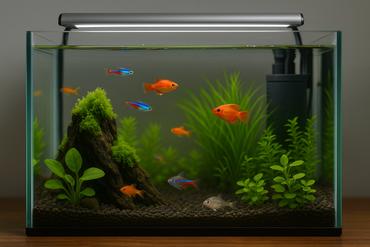
The transition from traditional fluorescent tubes to high-tech, wireless lighting has fundamentally changed the way we experience the aquarium hobby. No longer are hobbyists tethered to rigid mechanical timers or forced to settle for a single "on or off" light setting that startles fish in the early morning. Wireless aquarium lighting solutions—typically powered by Bluetooth or Wi-Fi—allow you to simulate the natural rhythm of the sun, from a soft amber sunrise to a deep, shimmering moonlight, all from the convenience of a smartphone app. This technology does more than just make your tank look beautiful; it provides a vital biological service by regulating the circadian rhythms of your livestock, supporting the complex needs of live plants, and preventing the stress-induced diseases that often plague poorly lit environments.

The Evolution of Smart Lighting: From Tubes to Apps

In the early days of the hobby, aquarium lighting was limited to energy-hungry incandescent bulbs and hot fluorescent tubes that offered little in the way of customization. These older systems often produced excessive heat, which could fluctuate the water temperature and stress sensitive species like Cardinal Tetras or Discus. Modern wireless LED (Light Emitting Diode) systems have revolutionized this space by being incredibly energy-efficient and producing negligible heat, while integrating directly with smart technology.

For beginner and intermediate hobbyists, wireless solutions remove the guesswork of manual adjustments. If you notice an algae bloom starting in your freshwater community tank, you can instantly reduce the light intensity by 10% via your phone without having to physically move the fixture or change a bulb. This level of precision is especially beneficial for shy species that appreciate a gradual "ramping up" of light rather than a sudden blast of brightness. By understanding how technology has changed the aquarium hobby, you can see that wireless lighting is a tool for better animal welfare, not just a flashy gadget.

The "smart" aspect of these lights refers to their internal controllers. Unlike a standard LED bar that you plug into a wall timer, wireless lights have built-in microprocessors. These processors allow for "dimming curves," which mean the light doesn't just click on; it slowly fades in over 15 to 60 minutes. For fish like the African Cichlid, which can be jumpy, this gradual transition prevents the "flight response" that often leads to fish hitting the glass or jumping out of the tank.

Wireless Control for Freshwater Planted Tanks

Live plants are among the most demanding inhabitants when it comes to lighting. In a freshwater planted setup, your light must provide specific wavelengths—primarily in the red and blue spectrum—necessary for photosynthesis. Wireless lighting solutions often feature preset modes designed specifically for plant growth, such as the Fluval Plant 3.0 or the AI Prime Freshwater. These apps allow you to create a "Photoperiod" that mimics a tropical day.

If you are keeping easy plants like Anubias, Java Fern, or Amazon Swords, you can set your wireless light to a moderate intensity (around 50-60%) to prevent green spot algae from forming on the leaves. For more advanced carpeting plants like Dwarf Hairgrass or Monte Carlo, you can use the app to boost the PAR (Photosynthetically Active Radiation) during the peak afternoon hours. This flexibility ensures that your plants get exactly what they need at different stages of their growth cycle without over-stressing the fish that inhabit the lower levels of the tank.

  • Simulate sunrise and sunset to prevent light shock in sensitive species like Neon Tetras.
  • Use weather modes to mimic cloud cover, which can encourage spawning behavior in Corydoras.
  • Adjust the red spectrum to enhance the vibrant colors of Cherry Barbs and Bettas.
  • Program a mid-day "siesta" in the lighting to help manage CO2 levels and discourage algae.

Real-world example: A hobbyist struggling with hair algae in a 29-gallon tank used their wireless app to create a "split" photoperiod—four hours of light in the morning, a two-hour dark period, and four hours in the evening. This disrupted the algae's growth cycle while allowing the owner to enjoy the tank when they were actually home, a feat nearly impossible with old-school analog timers.

Marine and Reef Tank Customization

For saltwater enthusiasts, wireless lighting is practically a requirement. Corals are symbiotic organisms that rely on light to survive, and they require a much higher concentration of blue (actinic) light than freshwater plants. Modern wireless fixtures, such as the EcoTech Marine Radion or AquaIllumination Hydra series, allow you to control individual color channels. This is crucial because different corals—like soft Zoanthids versus stony SPS corals—thrive under different spectral balances.

One of the greatest benefits for reef keepers is the ability to program a dedicated moonlight phase. Natural moonlight triggers specific biological triggers in marine life, including coral spawning and the activity of nocturnal scavengers like Peppermint Shrimp or Emerald Crabs. By adding LED moonlights to the aquarium via your wireless controller, you can observe the fascinating behaviors of your nocturnal cleanup crew without disturbing the sleeping fish. This helps create a more natural environment for popular marine species like Clownfish and Royal Grammas, which rely on clear day-night transitions to maintain their health.

Advanced wireless lights also feature "Global Locations." You can literally select "Great Barrier Reef" in your app, and the light will pull real-time weather and seasonal data from that location to adjust the intensity and photoperiod of your tank. This level of mimicry provides the most stable and natural environment possible for sensitive reef inhabitants.

Compatibility and Care Considerations for Smart Lighting

While wireless lighting is highly effective, it must be used correctly to avoid common pitfalls. A common mistake among beginners is setting the light to 100% intensity immediately. Just because a light is powerful does not mean your tank needs all of it at once. High intensity without a corresponding balance of nutrients and CO2 is the fastest way to trigger a massive algae breakout. Most wireless apps include an "Acclimation Mode," which gradually increases the light intensity over several weeks, allowing your fish, plants, and corals to adapt safely.

You must also consider the physical placement of your wireless fixtures. Because they are electronic devices, they are sensitive to "salt creep" in marine tanks and high humidity in enclosed freshwater hoods. Ensure your fixture has a high Ingress Protection (IP) rating, such as IP67, if it will be placed close to the water surface. Regular maintenance involves wiping the splash guard with a damp cloth to ensure that mineral deposits do not block the light and reduce the effectiveness of your carefully programmed spectrum. For more details on hardware selection, see our guide on understanding the lighting spectrum.

  • Always use the Acclimation Mode when introducing new corals or high-light plants.
  • Ensure your Wi-Fi signal is strong near the tank to avoid losing connection to your schedule.
  • Check for firmware updates in the app regularly to improve light performance and stability.
  • Avoid placing wireless controllers or power bricks directly above open water.
  • Clean the LED lenses monthly to maintain maximum light penetration.

Common Mistakes: The Dark Side of Smart Lights

One of the most frequent errors intermediate hobbyists make is "fiddling" with the settings too often. Stability is the hallmark of a successful aquarium. While it is fun to play with the color sliders on your phone, constantly changing the spectrum can stress your fish and cause corals to close up or "bleach." Once you find a schedule that works for your tank, leave it alone for at least two to four weeks to see how the ecosystem responds. If you change the settings every day, the plants and fish never have a chance to adapt, leading to stunted growth and immune system stress.

Another issue is the "Blue Light Trap." While heavy blue light makes corals "pop" and look fluorescent, it can be hard on the eyes of certain freshwater fish. Species like Blind Cave Tetras or nocturnal Loaches can find high-intensity blue light disorienting if it is too bright. Always ensure that your daytime setting includes enough white and red spectrum to provide a natural look and to help your fish navigate their environment comfortably. If your fish are constantly hiding in the back of the tank or under driftwood, your light intensity is likely set too high.

Finally, don't ignore the "Dark Period." It can be tempting to leave moonlights on all night so you can see the tank, but fish need total darkness to truly rest. Limit your moonlight or "blue phase" to two hours after the main lights go off, then ensure the tank is dark for at least 6-8 hours. This rest period is vital for the fish's metabolic health and reduces the risk of stress-related outbreaks like Ich.

Selecting the Right Wireless Solution for Your Tank Size

Not all wireless lights are created equal. When choosing a fixture, you must match the light's "spread" and "punch" to your tank's dimensions. For a deep tank (24 inches or more), you need a light with high-quality lenses that can "punch" the light through the water column to reach bottom-dwelling plants or corals. For a long, shallow tank, you might need two smaller wireless fixtures spaced apart to ensure even coverage and avoid dark corners.

For nano tanks (under 20 gallons), clip-on wireless LEDs are an excellent choice. They offer the same app-based control as larger units but at a fraction of the cost. However, be wary of "budget" wireless lights that use infrared (IR) remotes instead of true Bluetooth or Wi-Fi. IR remotes require a direct line of sight and offer very limited programming compared to a robust smartphone app. Investing a bit more in a Bluetooth-enabled light like the Nicrew SkyLED Plus or a Wi-Fi unit like the Kessil A80 will provide a much better long-term experience.

  • Measure your tank depth to ensure the light has enough PAR for your specific plants or corals.
  • Check if the light mounting system is compatible with rimmed or rimless tanks.
  • Look for "Group Control" features if you plan on running multiple lights on one large tank.
  • Verify the app compatibility with your specific smartphone version before purchasing.

Takeaway: Brighten Your Hobby with Wireless Solutions

Wireless aquarium lighting is more than just a convenient way to turn your lights on and off; it is a sophisticated tool that allows you to tailor the environment to the specific needs of your fish, plants, and corals. By automating the sunrise and sunset, adjusting the spectrum for optimal growth, and using acclimation settings to protect your livestock, you significantly increase your chances of long-term success in the hobby. While the initial investment may be higher than traditional lighting, the benefits of reduced algae, healthier fish, and vibrant plant growth make it well worth the cost.

If you have not yet made the switch, consider starting with a user-friendly Bluetooth fixture to see the immediate impact on your tank aesthetics and animal health. Remember that the best light is one that provides a stable, predictable cycle for your aquatic friends. For more tips on building the perfect setup and staying ahead of the curve, explore our extensive library of equipment reviews and species profiles at RateMyFishTank.com. Happy fish keeping!

Media Reactors - An Innovative Approach to Aquarium Filtration
Every aquarium hobbyist eventually reaches a crossroads where standard hang-on-back or canister filters no longer seem to provide the pristine water clarity or chemical stability their growing ecosystem requires.
Self-Poisoning: A Damaging Defense Mechanism
Imagine coming home to find your aquarium water cloudy and every inhabitant gasping for air, despite your water parameters being perfect just hours before.

MOST RECENT ARTICLES

Overstocking Myths vs Reality
OVERSTOCKING MYTHS VS REALITY
Setting up a new aquarium is an exercise in restraint that many hobbyists, both beginners and seasoned veterans, find difficult to master.
Blackwater & Biotope Aquariums (Natural-Style Boom)
BLACKWATER & BIOTOPE AQUARIUMS (NATURAL-STYLE BOOM)
For decades, the gold standard of the home aquarium was a pristine, crystal-clear box of water, often decorated with neon gravel and plastic plants that bore little resemblance to the wild.
Sustainable & Ethical Fishkeeping
SUSTAINABLE & ETHICAL FISHKEEPING
Bringing a slice of the underwater world into your home is a rewarding experience, but as the hobby grows, so does our responsibility to ensure that our passion doesn’t come at the expense of the environments we admire.

Rate This Tank:

AQUARIUM NEWS AND TRENDS

The Science Behind Behavior: Fish Jumping Out of Tanks
Discovering that a fish has jumped out of the aquarium is one of the most frustrating and heartbreaking moments for aquarium hobbyists.
Cleaning Your Tank Can Make You Sick
Most aquarium hobbyists view their weekly water change as a therapeutic ritual—a time to reconnect with their aquatic ecosystem and ensure the health of their finned friends.
Smart tank technology is the future of the aquarium hobby
For decades, the aquarium hobby has been defined by a delicate balance of art and science, requiring hobbyists to play the role of chemist, biologist, and engineer.
The Best 5–10 Gallon Nano Tank Setups (2025): Stocking Plans & Care Schedules
The landscape of the aquarium hobby has shifted dramatically in 2025, moving away from the "bigger is always better" philosophy toward the precision and artistry of the nano tank.
The Surprising Health Benefits of a Home Aquarium
Most of us start our first aquarium because we are captivated by the shimmering scales of a Betta or the rhythmic pulsing of a reef tank, but rarely do we realize that we are actually installing a powerful wellness tool in our living rooms.
Trending: Jellyfish in the Home Aquarium
For decades, jellyfish were considered the exclusive domain of public spectacle, reserved for massive, high-tech displays in world-class public aquariums.
Self-Poisoning: A Damaging Defense Mechanism
Imagine coming home to find your aquarium water cloudy and every inhabitant gasping for air, despite your water parameters being perfect just hours before.
Betta Fish Trending Topics for January 2017
As we dive into January 2017, the world of freshwater aquariums is buzzing with a renewed fascination for one of the hobby’s most iconic inhabitants: the Betta fish.
Species Spotlight: New Corydoras Catfish Discovered
The global aquarium community is currently navigating an era of unprecedented discovery that has fundamentally changed how we view one of the most popular groups of freshwater fish.
Species Spotlight: The Axolotl
Often referred to as the "Mexican Walking Fish," the Axolotl (Ambystoma mexicanum) is not a fish at all, but a fascinating species of neotenic salamander that spends its entire life underwater.
Aquarium Hobbyists Help Save 30 Species from Extinction
While the aquarium hobby is often viewed as a personal pursuit of beauty and tranquility, it has quietly evolved into one of the most powerful forces for global biodiversity conservation.
How Has Technology Changed the Aquarium Hobby?
The aquarium hobby has undergone a remarkable transformation over the past few decades.
Trending:  Sophisticated Water Quality Monitoring Devices
Trending: Sophisticated Water Quality Monitoring Devices
For decades, successful aquariums have depended on one invisible factor above all else: water quality.
Trending: Adding LED Moonlights to the Aquarium
There is something undeniably magical about watching an aquarium transform as the room lights dim and the sun sets.
The Bright and Colorful Discus Fish: Spring 2017 Aquarium Trends
As we head into the spring of 2017, the freshwater aquarium hobby is witnessing a vibrant resurgence of the undisputed "King of the Aquarium": the Discus fish.
Your Aquarium Might Not Be as Peaceful as You Think
An aquarium is often sold as a symbol of calm—a glass box of gently swimming fish that lowers stress and brings nature indoors.
Changes in Marine Aquarium Design
Marine aquariums have changed dramatically over the past few decades.
Aquarium News: Five New Species of Dwarfgobies Discovered
The world of marine biology has just become a little more crowded, and for fans of nano reef tanks, the news couldn't be more exciting.
Media Reactors - An Innovative Approach to Aquarium Filtration
Every aquarium hobbyist eventually reaches a crossroads where standard hang-on-back or canister filters no longer seem to provide the pristine water clarity or chemical stability their growing ecosystem requires.
The Oldest Aquarium Fish
Some fish are simply going to live longer than others, but what species have the longest lifespans?
Shrimp in the Home Aquarium: Spring 2017 Aquarium Trends
As we move into Spring 2017, a quiet revolution is taking place in the world of freshwater aquatics.
Trending: Glow in the Dark Fish
Glow in the dark fish have become one of the most talked-about trends in the aquarium world, captivating beginners and seasoned hobbyists alike with their vibrant, fluorescent colors.
Trending: Compact Aquarium Equipment
The rise of the nano tank has completely transformed the aquarium hobby, bringing the serenity of underwater landscapes into small apartments, office desks, and minimalist living spaces.
How Aquarium Trends Affect the World
The aquarium hobby may seem like a quiet, personal pastime, but the trends that shape how we keep fish ripple far beyond our living rooms.
North American Aquariums Go Green
Across North America, aquarium hobbyists are rethinking how their tanks impact the environment, embracing greener, more sustainable ways to enjoy fishkeeping without sacrificing beauty or success.
Innovations in Marine Disease Treatments
Marine aquariums are one of the most rewarding and challenging hobbies for aquatic enthusiasts, particularly when it comes to keeping fish and corals healthy.
Aquarium Fish News: Bill Introduced to Limit Aquarium Fish Collecting
The saltwater aquarium industry takes millions of fish from oceans around the world each year.
Trending:  Nano Tanks More Popular Than Ever
Trending: Nano Tanks More Popular Than Ever
Nano aquariums are no longer just a niche option for experienced hobbyists—they’ve become one of the fastest-growing trends in the aquarium world.
Cramped, Boring Environments Lead to Anger in Fish
When we think of aggressive fish, we often imagine predators with sharp teeth or naturally territorial species like Cichlids defending their nests.
Cichlid Compatibility: February Week 2 Aquarium Trends
As we navigate the second week of February, the aquarium hobby is experiencing a massive surge in Cichlid-focused setups, driven by a winter desire for high-energy, vibrant indoor displays.
News: Unique Species to Hit the Market
The aquarium hobby is constantly evolving, and every year brings new and unusual species into the spotlight.
Study Reveals that Fish May Have Individual Personalities
For decades, the scientific community and casual hobbyists alike viewed fish as simple, reflexive creatures driven entirely by instinct and basic survival needs.
News: Trade Continues Despite Threatened Conservation Status
The global aquarium trade is a multi-billion dollar industry that brings the vibrant colors of remote coral reefs and tropical rivers directly into our living rooms.
Trending: Colorful Species for the Marine Tank
Color has always been a main component of the marine tank but these species are keeping the bar high.
Wireless Aquarium Lighting Solutions
The transition from traditional fluorescent tubes to high-tech, wireless lighting has fundamentally changed the way we experience the aquarium hobby.
New Discovery Key to Keeping Pinnatus Batfish
The Pinnatus Batfish (Platax pinnatus), often called the Fire Face or Red-Finned Batfish, has long been considered the "Holy Grail" of the marine aquarium hobby—stunningly beautiful but notoriously difficult to keep alive.
The Top New Coral Species of 2013
The saltwater aquarium hobby is ever-changing -- trends and even species come and go.
Newly Discovered Fish Species of 2013
The year 2013 proved to be a landmark era for ichthyology, as researchers and explorers descended into the deepest coral reefs and trekked through remote freshwater basins to unveil creatures previously unknown to science.
News: Lionfish Invasion in the Atlantic
The lionfish invasion in the Atlantic is one of the most talked-about marine news stories of the last two decades, and it has important implications not just for scientists and conservationists, but also for aquarium hobbyists.
Aquascaping the Aquarium: March 2017 Aquarium Trends
As we transition into March 2017, the world of aquascaping is witnessing a fascinating shift toward more organic, "wild" aesthetics.
Read more articles (40)

READ AQUARIUM ARTICLES