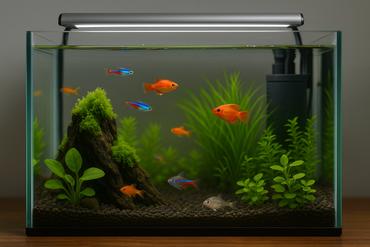
TRENDING: COLORFUL SPECIES FOR THE MARINE TANK

1. Why Color Matters in Your Marine Tank
Color isn’t just about aesthetics: it reflects health, species compatibility, and how natural your aquarium feels. Saltwater aquariums are known for their spectacular palette, and choosing the right species can transform a standard tank into a thriving underwater display. Before we introduce specific fish, here’s why color plays such a crucial role:
- Visual appeal that enhances your living space.
- Behavioral cues that inform you about fish wellbeing.
- Natural ecosystem balance when paired properly with corals and invertebrates.
Pairing color with care ensures your tank is not just vibrant, but healthy. For broad care principles before diving into specific species, check out our comprehensive guide on Marine Aquarium Basics.
2. Trendsetting Colorful Fish for Your Marine Tank
Here are standout species that hobbyists are buzzing about this year. These picks balance striking color with varying levels of care, making them great choices whether you’re just starting or building on experience.
Clownfish (Amphiprioninae)
Clownfish remain an icon for marine tanks thanks to their bold orange and white patterns and hardy nature.
- Recommended for: Beginners to intermediate aquarists
- Care level: Easy
- Tank size: 30+ gallons
Types like the Ocellaris Clownfish and Percula Clownfish offer slightly different hues and patterns. They often form pairs and may host in anemones or substitute homes like artificial caves.
Royal Gramma (Gramma loreto)
Vivid purple fading into sunshine yellow makes the Royal Gramma a favorite. Its peaceful nature and manageable size make it a superb addition to community tanks.
- Care level: Easy to moderate
- Tank size: 30+ gallons
- Notes: Provide plenty of hiding spaces.
Yellow Tang (Zebrasoma flavescens)
A brilliant solid yellow makes this tang eye-catching. However, it’s larger and more active than many beginner species.
- Care level: Moderate
- Tank size: 75+ gallons
- Notes: Needs open swimming space and algae-rich diet.
Mandarinfish (Synchiropus splendidus)
If you want swirling neon patterns, the Mandarinfish delivers. It’s renowned for its intricate coloration but has special dietary needs.
- Care level: Challenging
- Tank size: 30+ gallons
- Notes: Requires a mature live rock setup with abundant copepods.
Pajama Cardinalfish (Sphaeramia nematoptera)
This species combines calm temperament with quirky banded markings and a blush of color.
- Care level: Easy
- Tank size: 30+ gallons
- Notes: Best kept in small groups for comfort.
Firefish (Nemateleotris magnifica)
Long fins and a gradient from white to fiery red/orange make Firefish visually stunning. Their skittish nature means they need gentle tank mates.
- Care level: Easy to moderate
- Tank size: 30+ gallons
- Notes: Provide vertical rock formations for darting retreats.
For more on selecting fish that suit your experience level and tank setup, see our article Choosing Fish for Your Marine Tank.
3. Adding More Color: Invertebrates and Corals
Fish aren’t the only way to inject color into your marine aquarium. Invertebrates and corals can brighten spaces between fish territories and add dynamic texture.
Corals
Corals can range from beginner-friendly to advanced. Avoid impulsive additions; know each coral’s light and flow needs.
- Mushroom Corals (Discosoma) – Great starter coral with dreamy colors.
- Zoanthids – Vibrant colonies with varied color combinations.
- Hammer Coral (Euphyllia) – Larger, dramatic shapes with glowing tips.
Proper lighting is critical. LED systems with adjustable spectrums help you tailor intensity and color frequency for coral health.
Invertebrates
Colorful and functional, these critters help maintain tank cleanliness.
- Emerald Crabs – Brilliant green and active algae eaters.
- Turbo Snails – Hard-working grazers with distinctive shells.
- Shrimps: Cleaner Shrimp (Lysmata amboinensis) and Peppermint Shrimp add both utility and color contrast.
4. Compatibility: Creating a Balanced and Peaceful Community
Colorful fish can be territorial or shy—pairing them wisely is essential. Compatibility isn’t just about temperament; it’s about environmental needs too.
Temperament Matching
- Peaceful species like Clownfish, Royal Gramma, and Pajama Cardinalfish usually coexist well.
- Semi-aggressive species such as Yellow Tangs may challenge timid fish but can anchor a dynamic tank if balanced.
- Avoid pairing too many territorial species in smaller tanks.
Environmental Needs
- Water Flow: Firefish and Mandarinfish prefer gentle flow zones.
- Diet: Herbivores (like Yellow Tang) shouldn’t share a space where only carnivore pellets are fed.
- Territory: Provide rocky caves and ledges to reduce stress and territorial aggression.
One common mistake is placing incompatible fish together because they “look good.” Always match temperament and habitat needs first, then color second. For a complete guide on tank compatibility, see Marine Tank Compatibility Tips.
5. Practical Care Tips to Maintain Bright Coloration
Bright fish lose their vibrancy when stressed, malnourished, or living in suboptimal water conditions. Color maintenance comes down to consistent quality care.
Water Quality and Parameters
- Stable Temperatures: Most colorful marine species thrive between 75-82°F (24-28°C).
- Salinity: Keep specific gravity around 1.023-1.025.
- Regular Testing: Monitor ammonia, nitrites, nitrates, and pH weekly.
A sudden spike in nitrates can dull fish coloration quickly. Regular partial water changes are a powerful defense against this.
Diet Matters
- Varied Diets: Offer high-quality flake, pellet, frozen, and live foods depending on species.
- Color Enhancers: Natural ingredients like spirulina and krill can help deepen pigmentation.
- Feeding Frequency: Small, frequent meals help maintain metabolism and color intensity.
Overfeeding is one of the most frequent mistakes hobbyists make. Excess food decays, raising nitrates and diminishing water quality.
Lighting That Enhances Color and Growth
Lighting does more than make your tank look good; it influences biological rhythms and coral photosynthesis.
- LED lighting with customizable spectrums can enhance both fish and coral color.
- Avoid excessive intensity that stresses fish but do provide enough light for corals to thrive.
6. Setting Up Your Tank for Maximum Visual Impact
Colorful fish stand out more in thoughtfully arranged aquascapes. A well-planned layout adds depth and natural behavior cues.
Rockwork and Backgrounds
- Live rock provides texture, hiding spots, and biological filtration.
- Neutral backgrounds like black or deep blue make vivid species pop.
Flow and Movement
Create zones of varying flow using powerheads or wavemakers. Some species like calm pockets while others love current.
- Upper flow zones for active swimmers.
- Lower calmer areas for shy species.
Routine Observation and Adjustments
Color changes can signal health, stress, or environmental imbalance. Spend a few minutes daily observing behavior, eating patterns, and coloration shifts.
Final Takeaways and Next Steps
Creating a vibrant, colorful marine tank is both an art and a science. By selecting species with stunning hues and matching them to compatible tank mates and conditions, you build a thriving underwater world that’s as healthy as it is beautiful. Remember to prioritize:
- Appropriate species selection based on experience and tank size.
- Water quality and consistency, the foundation for color retention.
- Balanced diets that support natural pigmentation.
- Careful compatibility planning to reduce stress and aggression.
Ready to dive deeper? Explore additional resources and share your own vibrant setup in the RateMyFishTank community forum. Your next colorful success story begins with curiosity—and great care.


MOST RECENT ARTICLES