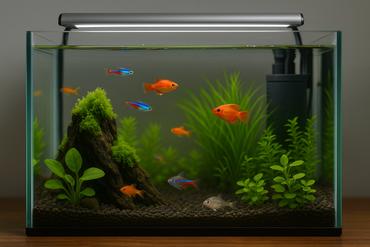
SHRIMP IN THE HOME AQUARIUM: SPRING 2017 AQUARIUM TRENDS

The Rise of the Neo-Colony: Why Neocaridina are Trending
The standout trend for Spring 2017 is the "Rainbow Colony" approach to the Neocaridina davidi species. Commonly known as Cherry Shrimp, these hardy invertebrates have been bred into a staggering array of colors, including bright yellows (Yellow Fire), deep blues (Blue Dream), and even vibrant oranges. Beginner hobbyists are increasingly moving away from mixed-species community tanks in favor of dedicated 5-gallon to 10-gallon setups that allow these colonies to thrive and reproduce.
- Hardiness and Accessibility: Unlike their more delicate Caridina cousins, Neocaridina shrimp are tolerant of a wider range of water parameters, making them the perfect entry point for the "Spring Shrimp" trend.
- The Cleaning Power: A healthy colony of 50 shrimp can keep a nano tank remarkably free of biofilm and soft green algae, acting as a natural maintenance crew.
- Breeding Success: There is a growing trend toward "selective breeding" among intermediate hobbyists, who compete to produce the "densest" color saturation in their home colonies.
A common beginner mistake is mixing different colors of Neocaridina in the same tank. While it looks beautiful initially, the resulting offspring will eventually revert to their natural "wild" brownish coloration through crossbreeding. If you want to maintain the Spring 2017 "Pop of Color" aesthetic, it is best to stick to one color per aquarium.
Advanced Aesthetics: The Caridina and Bee Shrimp Movement
For the intermediate hobbyist looking to push the boundaries of the hobby this year, the focus has shifted to the more challenging Caridina cf. cantonensis, specifically the Crystal Red (CRS) and Crystal Black (CBS) varieties. These shrimp are the "high fashion" of the aquarium world, requiring specific water chemistry—specifically soft, acidic water with low carbonate hardness (kH).
- Active Substrates: A major trend this season is the use of "buffering" substrates. These specialized soils naturally lower the pH to the 6.0–6.8 range, which is essential for the health of Bee Shrimp.
- Taiwan Bees: We are seeing a surge in interest in "Blue Bolts" and "Panda" shrimp. These are mutations of the Bee Shrimp that offer high-contrast patterns and are becoming more available in the trade as captive breeding techniques improve.
- RO/DI Water: To succeed with these high-end trends, hobbyists are increasingly investing in Reverse Osmosis systems to create a "blank slate" of water that they then re-mineralize to exact specifications.
Managing these delicate species requires a deep understanding of water chemistry.
Aquascaping for Invertebrates: The "Shrimp-Scape"
The Spring 2017 trend isn't just about the shrimp themselves; it is about the environment they inhabit. The "Iwagumi" style (stone-heavy) and the "Nature Aquarium" style (wood and plant-heavy) are being adapted specifically for shrimp. These "shrimp-scapes" prioritize high surface area for biofilm growth, which is the primary food source for baby shrimp.
- Moss is King: Java Moss, Christmas Moss, and Flame Moss are essential components of this year's top scapes. Moss provides a safe haven for molting shrimp and traps tiny particles of food for the colony.
- Cholla Wood and Alder Cones: These natural botanical additions are trending heavily. They leach beneficial tannins into the water and provide a textured surface for shrimp to graze upon.
- Low-Light Precision: Since shrimp can be sensitive to the high CO2 levels used in some professional planted tanks, the current trend favors "Low-Tech" plants. For inspiration on the best foliage for your shrimp tank, check out our list of low-light plants for your freshwater aquarium.
One real-world example of a successful shrimp-scape is the "Moss Wall" technique. By sandwiching moss between two layers of plastic mesh, hobbyists are creating vertical grazing pastures that maximize the footprint of small nano tanks.
Compatibility and Care: Navigating the "Can I Keep Fish?" Question
The most common question in 2017 remains: "What fish can I keep with my shrimp?" The reality is that almost any fish large enough to fit a shrimp in its mouth will eventually try to eat one. However, the "Peaceful Community" trend allows for certain pairings if the aquarium is designed with enough hiding spots.
- Safe Bet Fish: Otocinclus Catfish are the only fish widely considered "100% shrimp safe," as they are strict herbivores.
- Micropredators (With Caution): Species like Celestial Pearl Danios (Galaxy Rasboras), Chili Rasboras, and Neon Tetras can coexist with adult shrimp, though they will almost certainly snack on any shrimplets that venture into open water.
- Avoid the Bullies: Even small Cichlids like Rams or Apistogrammas will systematically hunt a shrimp colony. For more on managing behavioral dynamics, see our article on aquascaping tips to reduce aggression.
Care considerations for Spring 2017 also include the "Copper Caution." Many medications for fish contain copper, which is highly toxic to shrimp. Always read the labels of any water treatment or medication before adding it to a tank containing invertebrates. Additionally, ensuring your filter intake is covered with a fine sponge pre-filter is a non-negotiable step to prevent shrimplets from being sucked into the motor.
Feeding and Nutrition: Beyond the Algae Wafer
As the hobby matures, we are seeing a shift away from generic "fish flakes" and toward specialized shrimp nutrition. The trend this season is "targeted feeding" using glass feeding dishes. This prevents food from falling into the substrate and rotting, which can lead to planaria outbreaks and poor water quality.
- Bacter AE and Biofilm Enhancers: Powdered additives that promote the growth of natural biofilm are extremely popular this year. They ensure that even the smallest shrimplets have access to food immediately after hatching.
- Snowflake Food: Made from soybean husks, this food grows a beneficial fungus that shrimp love. It can be left in the tank for longer periods without polluting the water.
- Blanched Vegetables: A classic but growing trend is the weekly addition of blanched organic spinach or zucchini. This provides essential minerals like calcium, which is vital for the molting process.
A failed molt (often called the "White Ring of Death") is a common beginner frustration. This is usually caused by a lack of minerals in the diet or water. By focusing on high-calcium foods and maintaining stable Mineral Hardness (gH), hobbyists can ensure their shrimp grow and shed their shells successfully.
Common Pitfalls: Avoiding the "Early Colony Collapse"
Despite the trending popularity of shrimp, many beginners struggle with "unexplained" deaths during the first month. In Spring 2017, the most common culprit identified is "over-cleaning." Shrimp thrive on a certain amount of "mulm" and biofilm; a sterile tank is a hungry tank.
- Drip Acclimation: Unlike fish, which can often be "float and plopped," shrimp are highly sensitive to changes in osmotic pressure. The current gold standard is a slow drip acclimation over 2–3 hours.
- Aerosol Dangers: In a nano tank, common household items like glass cleaner, perfume, or bug spray can settle on the water surface and wipe out a shrimp colony within hours.
- The Nitrogen Cycle: Because shrimp have a low tolerance for nitrates, ensure your tank is fully cycled. For those new to the process, understanding freshwater aquarium cycling is the single most important step in your shrimp-keeping journey.
Takeaway: Embracing the Small Scale
The Spring 2017 shrimp trend is a testament to the "less is more" philosophy in modern aquarium keeping. By focusing on a single species and creating a tailored environment, hobbyists are discovering a level of detail and biological complexity that is often lost in larger community tanks. Whether you are starting with a hardy colony of Red Cherries or challenging yourself with high-grade Taiwan Bees, the key to success lies in stability, specialized nutrition, and thoughtful aquascaping. As the weather warms up, it is the perfect time to clear some space on your desk or countertop for a dedicated shrimp sanctuary. These tiny creatures offer a window into a fascinating micro-world that is as rewarding to maintain as it is beautiful to observe. Ready to start your first colony? Dive into our equipment reviews to find the best nano filters and lighting for your upcoming shrimp-scape adventure!


MOST RECENT ARTICLES