TRENDING: GLOW IN THE DARK FISH

What Are Glow in the Dark Fish?
Glow in the dark fish are freshwater aquarium fish that have been genetically modified to display fluorescent colors under certain lighting conditions. Unlike novelty fish of the past that were dyed or injected with color, modern glow fish are created using a scientific process that introduces fluorescent protein genes—originally derived from marine organisms such as jellyfish or coral—into the fish’s DNA.
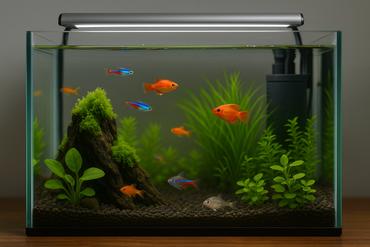
The most well-known examples are marketed under brand names and are often referred to collectively as “glow fish.” These fish do not literally glow in complete darkness. Instead, their colors fluoresce under blue or actinic lighting, giving them an eye-catching, neon appearance that really stands out in a display aquarium.
One important thing for beginners to understand is that glow in the dark fish are not a separate species. They are regular aquarium fish that behave, eat, and grow just like their non-glowing counterparts. The glow is purely visual.
Because of early misconceptions, many hobbyists still assume these fish are unhealthy or short-lived. In reality, when sourced responsibly, glow fish can live full, normal lifespans and thrive under standard aquarium care.
How Glow Fish Are Made and Are They Safe?
This is one of the most common questions new aquarium keepers ask. Glow in the dark fish are created through genetic modification at the embryo stage. The fluorescent gene becomes part of the fish’s DNA, meaning the coloration is inherited and stable throughout the fish’s life.
From a health perspective, reputable studies and years of hobbyist experience have shown that these fish are just as hardy as their natural counterparts. They are not painted, injected, or treated after birth, which is a critical distinction. Older practices such as dyed glass fish caused stress and health issues, and those methods are widely discouraged today.
Another concern is environmental safety. In many regions, glow fish are regulated to prevent release into the wild. This is important because, like any non-native species, aquarium fish can disrupt local ecosystems if released irresponsibly.
For home aquariums, glow in the dark fish are considered safe and humane when purchased from reputable sellers. As with any fish, proper tank setup, water quality, and nutrition play a far bigger role in long-term health than the glow itself.
Popular Glow in the Dark Fish Species for Home Aquariums
Not all aquarium fish are available in glow varieties. The most popular glow fish are based on hardy, beginner-friendly species, which is part of their appeal. Here are some of the most common options you’ll encounter:
- Glow Zebra Danios: One of the earliest and most popular glow fish. They are active, social, and ideal for community tanks.
- Glow Tetras: Based on black skirt tetras, these fish add both glow and classic tetra schooling behavior.
- Glow Tiger Barbs: Bright and energetic, but better suited for semi-aggressive community setups.
- Glow Rainbow Sharks: Eye-catching and bold, but territorial and best kept with care.
- Glow Betta Fish: Less common, but available in select markets, offering a glowing twist on a classic favorite.
Each of these species retains the same temperament and care needs as the original fish. For example, glow zebra danios still prefer to be kept in groups and thrive in well-oxygenated tanks, while glow tiger barbs can still be fin nippers if kept in too small a group.
If you’re new to the hobby, starting with glow danios or glow tetras is usually the safest choice. They are forgiving of minor mistakes and adapt well to typical beginner setups.
Setting Up a Tank to Showcase Glow in the Dark Fish
One of the biggest reasons glow fish are trending is their visual impact. However, many beginners make the mistake of focusing only on lighting and neglecting the fundamentals of aquarium setup.
Glow fish look their best under blue or actinic lighting, but that doesn’t mean you should run intense blue lights all day. A balanced lighting schedule that includes normal daylight tones is healthier for fish and plants. Many aquarists use blue lighting for a few evening hours to enjoy the glow effect.
Tank size and filtration are just as important. Most glow fish species are active swimmers and benefit from longer tanks rather than tall ones. Stable water parameters and consistent maintenance will always matter more than decorative elements.
Beginners often ask if glow gravel and artificial decorations are required. The answer is no. While neon décor can enhance the look, glow fish can look just as striking against dark substrates, natural driftwood, and simple backgrounds.
If you’re still learning the basics of aquarium lighting, our guide on types of freshwater aquarium lighting is a great resource to help you strike the right balance between aesthetics and fish health.
Compatibility and Care Considerations
This is the most important section for anyone considering glow in the dark fish. Despite their unique appearance, these fish are not novelty items that can be mixed randomly.
Compatibility depends entirely on the base species. Glow tetras behave like tetras. Glow barbs behave like barbs. Understanding natural behavior is key to avoiding stress and aggression.
Here are some practical care and compatibility tips:
- Keep schooling species like danios and tetras in groups of at least six to reduce stress.
- Avoid mixing aggressive glow fish with slow, long-finned species.
- Maintain stable water parameters with regular testing and water changes.
- Feed a balanced diet suitable for the species, not just for color enhancement.
One common beginner mistake is overcrowding. Because glow fish are often small, it’s tempting to add too many at once. Overcrowding leads to poor water quality, stress, and disease.
Another mistake is pairing glow fish with incompatible tank mates purely for visual appeal. For example, glow tiger barbs and fancy guppies are a poor match due to fin nipping. If you’re unsure about tank mates, reviewing general community fish rules can save you a lot of trouble.
For hobbyists interested in peaceful community setups, you may find helpful insights in our article on choosing the right barbs for your tank, which applies equally to glow varieties.
Common Myths and Beginner Mistakes About Glow Fish
As glow in the dark fish continue to trend, misinformation spreads just as quickly. Clearing up these myths can prevent disappointment and unnecessary losses.
Myth 1: Glow fish need special water or chemicals.
They do not. Glow fish thrive in the same water conditions as their non-glowing counterparts.
Myth 2: Glow fish glow all the time.
They fluoresce under specific lighting. In normal light, they simply appear brightly colored.
Myth 3: Glow fish are fragile.
Most glow fish are based on hardy species and are often more forgiving than many “natural” fish.
One real-world mistake we often see is beginners using constant blue lighting to maximize glow. This can stress fish over time and disrupt natural day-night cycles. Another issue is skipping the nitrogen cycle because glow fish are marketed toward beginners. Cycling your tank is non-negotiable.
If you’re new to fishkeeping or setting up a tank for the first time, take time to review foundational guides like freshwater aquarium lighting basics and general tank setup articles before adding fish.
Are Glow in the Dark Fish Right for You?
Glow in the dark fish aren’t for everyone, and that’s okay. Some aquarists prefer natural biotopes and subdued colors, while others enjoy bold, modern displays that glow fish provide.
For beginners, glow fish can actually be a solid choice when selected thoughtfully. Their popularity means they’re widely available, generally affordable, and often based on resilient species. For intermediate hobbyists, glow fish can be used creatively in themed tanks or combined with plants and hardscape for a striking contrast.
The key is treating glow fish with the same respect as any other aquarium fish. When cared for properly, they are not gimmicks—they’re simply another variation in the diverse and fascinating world of aquatics.
If you’re looking to build a community tank, explore compatibility, and learn more about long-term fish health, glow fish can be a fun and rewarding option.
Final Takeaway: A Bright Trend with Real Responsibility
Glow in the dark fish are more than just a passing trend. They represent a blend of science, aesthetics, and modern aquarium culture. When chosen wisely and cared for properly, they can thrive just as well as traditional freshwater fish while adding a unique visual element to your tank.
Before bringing glow fish home, focus on proper tank setup, species compatibility, and realistic expectations about lighting and care. Avoid impulse buys, do your research, and remember that glowing colors don’t replace good fishkeeping practices.
If you’re interested in learning more about aquarium lighting, stocking strategies, and beginner-friendly fish, explore more guides right here on RateMyFishTank.com and continue building a tank you can be proud of.


MOST RECENT ARTICLES