BETTA FISH TRENDING TOPICS FOR JANUARY 2017

The Rise of Elephant Ear and Koi Betta Variations
In early 2017, the aesthetic trends for Bettas are moving away from the standard solid blues and reds. The "Dumbo" or "Elephant Ear" Betta has become a massive sensation among intermediate keepers. These fish are characterized by oversized pectoral fins that resemble elephant ears, giving them a unique, fluttering swimming motion. Because these fins are larger and heavier, they require very low-flow filtration to prevent the fish from becoming exhausted—a common mistake beginners make when setting up a standard power filter. Many new keepers fail to realize that while these fins are beautiful, they act like sails in a high-current environment, essentially trapping the fish in a corner of the tank. To combat this, the "sponge filter" is making a massive comeback in the hobby this January, providing gentle aeration without the turbulent output of a traditional hang-on-back filter.
Another dominant trend this January is the "Koi Betta." This is a marbled variety that mimics the color patterns of traditional pond Koi. The excitement around Koi Bettas stems from their "jumping" genes; their colors can actually change over time. You might buy a fish that is mostly white and orange, only to have it develop deep black patches six months later. To keep these colors vibrant, hobbyists are increasingly focusing on high-quality diets rich in carotenoids and specialized LED lighting that emphasizes the red and orange spectrum. The "Galaxy Koi" variation, which features iridescent blue "stars" across the body, is currently the most sought-after specimen on auction sites and in specialty local fish stores. Breeders are finding that the demand for these unique patterns is outweighing the traditional solid-color fish, leading to a vibrant marketplace for those interested in the genetics of the "jumping gene" or Transposable Elements.
Notable Betta Variations
- Dumbo Halfmoon: Combines the massive 180-degree tail of a Halfmoon with the oversized pectoral fins of an Elephant Ear.
- Galaxy Koi: A Koi Betta that also carries iridescent scales, giving it a "starry" appearance over its marbled base.
- Nemo Betta: A specific color strain of Koi featuring bright oranges and reds, mimicking the famous saltwater clownfish.
- Candy Koi: A variation featuring four or more colors, including yellow, blue, and pink hues, often commanding premium prices.
- Copper Alien Bettas: A newer hybrid trend involving wild Betta species crossed with splendens to create a metallic, full-mask appearance.
The Shift Toward Naturalistic Nano Aquascaping
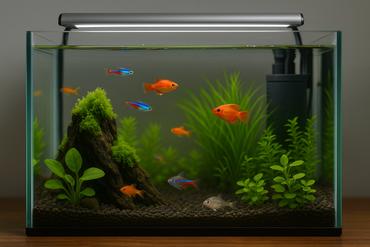
The "Betta in a bowl" era is officially over. This month, the trending topic in the community is the "Iwagumi" and "Walstad-lite" approaches to Betta keeping. Hobbyists are realizing that Bettas are much more active and less stressed when provided with a heavily planted environment. This trend focuses on using live plants like Anubias, Java Fern, and Amazon Swords to create a "jungle" look that mimics the rice paddies of Southeast Asia. Beyond just looking beautiful, these plants serve a functional purpose by absorbing nitrates and providing the low-light environment that Bettas prefer. We are seeing a move toward rimless glass tanks, often in the 5 to 10-gallon range, which offer a panoramic view of the Betta's elaborate finnage against a lush green backdrop.
Practicality is key here. Beginners are encouraged to use silk plants if they aren't ready for live ones, but the trend is firmly moving toward "low-tech" planted tanks. These setups use specialized substrates and LED lighting to grow plants that oxygenate the water and help manage nitrates. The integration of floating plants, such as Frogbit or Salvinia, is also a major trend for January. These plants provide a natural "ceiling" for the tank, reducing the light intensity and offering the Betta a place to build its bubble nests, which is a key indicator of a healthy and happy fish.
A common mistake during this trend is over-decorating with sharp plastic plants or rough rocks. Bettas have incredibly delicate fins that can tear easily on any jagged edge. The "pantyhose test" remains a gold standard: if you rub a piece of fabric over a decoration and it snags, it will likely tear your Betta's fins. This month, "Betta Hammocks" (suction-cupped plastic leaves) and floating logs are the must-have accessories for any trending tank. Furthermore, the use of spider wood and driftwood is on the rise, though keepers are cautioned to boil the wood first to remove excess tannins if they prefer a clear-water look, or embrace the tannins for a "blackwater" aesthetic which is currently gaining massive traction among advanced keepers for its health benefits.
Compatibility: The Truth About Betta Community Tanks
One of the most discussed topics in January 2017 is the feasibility of the Betta community tank. While the "Siamese Fighting Fish" moniker is well-earned, many hobbyists are successfully keeping Bettas with other species. The trend is moving toward larger tanks—15 to 20 gallons—which provide enough space for territories to be established. However, compatibility is not just about the Betta's temperament; it is about the "nippiness" of the tank mates. The community is learning that a peaceful Betta can still be stressed to death by a school of aggressive fin-nippers like Serpae Tetras. Therefore, the selection process must be meticulous, focusing on species that occupy different levels of the water column.
When selecting companions, the goal is to avoid anything with long fins (which the Betta might see as a rival) or anything known for biting fins. It is also essential to have a "Plan B" tank ready in case the Betta proves too aggressive. Successful hobbyists are leaning toward bottom-dwellers and short-finned schooling fish. The introduction process is also trending: adding the Betta last into a pre-established community tank is often more successful than adding other fish to a Betta’s established territory. This prevents the "king of the castle" mentality that often leads to aggression. Additionally, providing ample visual breaks with tall plants or driftwood allows other fish to escape the Betta's line of sight, drastically reducing tension within the aquarium.
Suitable Tank Mates
- Corydoras Catfish: Peaceful bottom-dwellers that stay out of the Betta's upper-water territory. Pygmy Corys are especially popular for 10-gallon setups.
- Kuhli Loaches: Nocturnal and shy, these eel-like fish provide interest without bothering the Betta and are excellent at cleaning up missed food.
- Harlequin Rasboras: Native to the same regions as Bettas, they are fast enough to avoid confrontation and lack flashy fins that trigger aggression.
- Ember Tetras: Small, peaceful, and their orange hue doesn't usually trigger the Betta's aggression compared to bright blue or red tank mates.
- Mystery Snails: A fantastic non-fish companion that helps with algae control and adds a unique dynamic to the tank without risking fin damage.
If you are considering adding tank mates, it is vital to understand the nitrogen cycle and how additional fish affect your bio-load. Read our article on the importance of the nitrogen cycle to ensure your community tank remains a healthy environment for all inhabitants. Overstocking is a major concern in January, as many newcomers receive "all-in-one" kits for the holidays that are often too small for multiple fish species. Education on "inches per gallon" (though a rough guide) is being replaced by a focus on the surface area and filtration capacity of the tank.
Advanced Care: Temperature and Water Consistency
As winter peaks in January, the community is focusing heavily on the "Silent Killer" of Bettas: fluctuating water temperatures. Because Bettas are tropical fish, they require a consistent temperature between 78 and 80 degrees Fahrenheit. Many beginners assume that room temperature is sufficient, but in a small volume of water, temperatures can drop dangerously low overnight, leading to a suppressed immune system and "Lethargy Syndrome." When a Betta's metabolic rate slows down due to cold water, they stop eating and become susceptible to secondary infections like Ich or Fin Rot. The trend this year is the adoption of adjustable, submersible heaters even in tanks as small as five gallons, ensuring that the water stays within a one-degree variance.
Using a thermometer is no longer optional; it is a core requirement of modern Betta keeping. Furthermore, water quality trends are emphasizing the use of Indian Almond Leaves (Tannins). These leaves release humic acids into the water, tinting it a tea-color. This "Blackwater" effect is not only trendy for its natural look but also for its antifungal and antibacterial properties, which are excellent for fin health. For hobbyists who find the tea-colored water unappealing, the use of Seachem Purigen or carbon can remove the tint while the fish still benefits from the initial release of beneficial compounds. This balance between aesthetics and health is a major talking point in 2017 hobbyist forums.
Common beginner mistakes often involve over-cleaning the tank. Removing 100% of the water and scrubbing the gravel kills the beneficial bacteria that keep the water safe, leading to ammonia spikes. The current expert advice suggests 20-30% weekly water changes using a gravel vacuum, which maintains stability without shocking the fish’s system. We are also seeing a trend in the use of "pre-conditioned" water or high-quality dechlorinators like Seachem Prime, which detoxifies ammonia and nitrite for 24-48 hours, providing a safety net for the fish. This focus on "preventative care" rather than "reactive treatment" is a significant shift in the hobby this year, as keepers realize that most Betta illnesses are caused by environmental stress rather than external pathogens.
Nutrition and Enrichment: Beyond the Pellet
What are people feeding their Bettas in 2017? We are seeing a move away from low-quality "filler" flakes toward high-protein, insect-based diets. In the wild, Bettas are insectivores, primarily eating larvae and small bugs at the water's surface. High-end brands are now producing pellets that use black soldier fly larvae or salmon meal as a primary ingredient, avoiding the wheat and corn fillers that lead to bloating and constipation—a common ailment in domestic Bettas. The "one pellet a day" myth is being debunked, with experts suggesting two small feedings of high-quality food to maintain energy levels throughout the day.
Enrichment is another trending topic. Hobbyists are finding that Bettas are highly intelligent and can become "bored" in a static environment. This has led to the popularity of "Betta training" and the use of interactive tools. A bored Betta may engage in "tail biting," a self-destructive behavior where the fish nips its own fins out of frustration or stress. To prevent this, keepers are introducing variety into the daily routine.
Enrichment Techniques
- Target Training: Using a small wand or the tip of a finger to lead the Betta to a specific area for feeding, which can be useful for health checks.
- Flare Exercises: Using a mirror for 2-3 minutes a day to encourage the Betta to flare. This provides muscular exercise and helps prevent constipation, but it must be timed to avoid chronic stress.
- Live Food: Feeding live brine shrimp, daphnia, or wingless fruit flies encourages natural hunting behaviors and provides a massive nutritional boost.
- Ping Pong Balls: Some Bettas enjoy pushing a floating ping pong ball across the surface, providing mental stimulation and entertainment for the owner.
- Modular Decor: Rotating the position of plants or adding a new "tunnel" every few weeks keeps the Betta's environment interesting and encourages exploration.
For those looking to diversify their feeding routine, understanding the specific needs of different species is helpful. You can learn more by visiting our comprehensive freshwater fish species profiles to see how the Betta's needs compare to other popular aquarium fish. The goal is to provide a diet that reflects the seasonal availability of prey in the wild, which often leads to better color expression and longer lifespans in captivity.
The Future of Betta Sororities and Ethical Breeding
A burgeoning trend for January 2017 is the "Betta Sorority"—a tank consisting of multiple female Bettas. While traditionally kept alone, females can often live together in a "hierarchy of beauty" if given enough space and hiding spots. This is considered an intermediate to advanced project, as it requires careful observation of personality types. The consensus this month is that a minimum of five females in a 20-gallon long tank is the baseline for success. This prevents any one fish from being singled out for bullying, as the aggression is spread across the group. The focus is on selecting sisters from the same spawn, as they are more likely to tolerate one another than strangers introduced later.
Ethical breeding is also at the forefront of the conversation. There is a growing movement against "Veiltail" overproduction in favor of "Plakat" varieties. Plakats have shorter fins that resemble the wild Betta's anatomy, making them much faster swimmers and less prone to fin-related health issues. As hobbyists become more educated, they are choosing fish based on health and vigor rather than just the length of their tails. This shift is encouraging breeders to focus on the overall health of the fish's spine and immune system, rather than just aesthetic extremes. We are also seeing a rise in the "Rescue" culture, where hobbyists take in sick fish from big-box stores and document their transformation into healthy, vibrant pets—a trend that is taking social media by storm this January.
Finally, we are seeing an increased interest in "Wild Type" Bettas, such as Betta mahachaiensis or Betta smaragdina. These species are often bubble-nesters or mouth-brooders and offer a completely different experience for the intermediate hobbyist. This trend is driven by a desire for conservation and the challenge of breeding more difficult species. Unlike the domestic Betta, many wild types can be kept in pairs or small groups, provided the tank is appropriately sized and heavily planted. This move toward "Biotope" aquariums—tanks designed to perfectly replicate a specific geographical location—is the pinnacle of the hobby in 2017, merging science, art, and conservation into one glass box.
Summary and Your Next Steps
The trends for January 2017 make one thing clear: Betta fish are finally receiving the respect they deserve as complex, intelligent, and beautiful pets. By moving toward larger, heated, and filtered tanks, and by experimenting with naturalistic aquascaping and varied diets, hobbyists are seeing their fish live longer and more vibrant lives. The "Betta Revolution" is all about education and moving away from outdated myths. Whether you are mesmerized by the fluttering fins of an Elephant Ear or the rugged charm of a Wild Type Plakat, the key to success lies in consistency—monitor your water parameters, avoid overfeeding, and provide plenty of environmental stimulation.
Are you ready to upgrade your Betta's home or start your first community tank? We encourage you to dive deeper into our library of resources to ensure you have the most up-to-date information. Start by exploring our community galleries to see how other hobbyists are styling their Betta tanks this year, and don't forget to share your own progress with the RateMyFishTank community. The more we share our experiences, challenges, and successes, the better we can care for these amazing aquatic treasures. Happy fishkeeping, and may your Bettas be as bold and colorful as the year ahead!


MOST RECENT ARTICLES