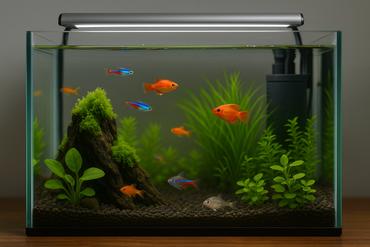
TRENDING: NANO TANKS MORE POPULAR THAN EVER

Why Nano Tanks Are Exploding in Popularity
The rise of nano tanks isn’t accidental. Modern lifestyles, improved aquarium technology, and social media exposure have all contributed to their surge in popularity. A decade ago, small tanks were often unstable, difficult to maintain, and limited in equipment options. Today, compact tanks benefit from advanced filtration, efficient LED lighting, and purpose-built heaters designed specifically for small volumes of water.
For many hobbyists, space is the biggest factor. Apartment living, shared housing, and home offices don’t always allow for large aquariums. Nano tanks—typically defined as aquariums under 10 gallons—fit almost anywhere. They can sit comfortably on a desk, countertop, or bookshelf without requiring major furniture upgrades.
Cost also plays a major role. A nano setup generally costs far less upfront than a 30- or 55-gallon tank. Smaller tanks require less substrate, fewer decorations, and lower wattage equipment. While livestock costs can still add up, especially in reef nano tanks, the initial barrier to entry is much lower for beginners.
Another reason nano tanks are trending is visual appeal. Aquascaping styles like iwagumi, jungle layouts, and minimalist rock-and-plant designs translate beautifully to small tanks. Many hobbyists enjoy the challenge of creating a balanced, living ecosystem in a confined space, where every plant and fish matters.
Finally, content creators and aquarium influencers have played a big role. Scroll through social media and you’ll see countless stunning nano tanks that look easy to replicate. While these posts don’t always show the maintenance behind the scenes, they’ve inspired a new generation of aquarists to give small tanks a try.
What Exactly Is a Nano Tank (and What It Isn’t)
Before setting up a nano aquarium, it’s important to understand what qualifies as a nano tank and what expectations come with it. Generally, nano tanks range from 2 to 10 gallons. Anything under 5 gallons is often considered a “micro tank,” which comes with even more limitations.
One common beginner mistake is assuming that smaller tanks are easier to care for. In reality, nano tanks are often less forgiving than larger systems. Because they hold less water, changes in temperature, water chemistry, and waste levels happen much faster. A missed water change or an overfeeding mistake can have serious consequences.
Nano tanks are also not suitable for most common pet store fish. Species like goldfish, common plecos, and most cichlids simply don’t belong in small volumes of water. Responsible nano tank keeping means carefully selecting livestock that thrive in tight spaces and stable conditions.
Despite these limitations, nano tanks shine when used correctly. They excel at showcasing small fish, shrimp, snails, and plants in a controlled, intentional way. When properly planned, a nano tank can be just as rewarding as a large aquarium—sometimes even more so.
Best Fish and Invertebrates for Nano Tanks
Choosing the right livestock is the single most important factor in nano tank success. Overstocking is one of the leading causes of failure, especially for beginners who underestimate how quickly waste builds up in small aquariums.
Here are some excellent nano-friendly species that are commonly recommended by experienced hobbyists:
- Betta fish: One of the most popular nano tank fish, bettas do well alone in 5–10 gallon tanks with gentle filtration and warm water.
- Chili rasboras: These tiny schooling fish thrive in planted nano tanks and add constant movement without overwhelming the system.
- Endler’s livebearers: Smaller than guppies and very active, endlers work well in groups in slightly larger nano setups.
- Neocaridina shrimp: Cherry shrimp and their color variants are perfect for planted nano tanks and help clean up algae.
- Nerite snails: Excellent algae eaters that won’t reproduce in freshwater, making them ideal for small tanks.
Saltwater nano tanks are also growing in popularity, especially with the availability of nano reef kits. Species like clown gobies, tailspot blennies, and sexy shrimp are commonly kept in small marine setups. However, saltwater nano tanks require more precise maintenance and are generally better suited for intermediate hobbyists.
If you’re unsure whether a species is appropriate for a small aquarium, reviewing detailed care guides—such as those found in the fish compatibility guides on RateMyFishTank.com—can help prevent costly mistakes.
Compatibility and Care Considerations in Small Tanks
Compatibility issues are magnified in nano tanks. With limited space, fish cannot easily escape aggressive tank mates, and territorial behavior becomes more pronounced. This makes careful planning essential.
One of the most common beginner mistakes is mixing incompatible species based solely on size. Just because a fish is small doesn’t mean it’s peaceful. Some nano-sized fish can be surprisingly aggressive, especially during feeding or breeding.
When planning a nano tank, consider the following care principles:
- Stick to a single species or very simple stocking plans.
- Avoid mixing aggressive and timid fish.
- Research adult size, not juvenile appearance.
- Provide plenty of plants and hiding spots.
Water quality management is another critical factor. Nano tanks require more frequent water changes—often weekly—to maintain stable conditions. Small tanks also benefit from consistent feeding schedules and careful portion control. Overfeeding is one of the fastest ways to spike ammonia levels.
Filtration should be gentle but effective. Sponge filters, hang-on-back filters designed for nano tanks, and internal filters with adjustable flow are popular choices. Strong currents can stress small fish and shrimp, especially in tanks under 5 gallons.
Heating is often overlooked, particularly in tropical freshwater nano tanks. Even slight temperature swings can cause stress and illness. A reliable, adjustable heater designed for small volumes is essential.
For hobbyists new to water chemistry, understanding the nitrogen cycle is crucial. Cycling a nano tank properly before adding livestock reduces stress and prevents early losses. If you’re unfamiliar with this process, the guide on how to cycle a fish tank offers a clear, beginner-friendly explanation.
Technology and Design Innovations Driving the Trend
Modern nano tanks are far more advanced than the small glass boxes of the past. Manufacturers now offer all-in-one nano systems that include filtration chambers, LED lighting, and sleek designs that blend seamlessly into living spaces.
LED lighting has been a game changer, especially for planted and reef nano tanks. Compact lights now provide the spectrum and intensity needed to grow healthy plants and corals without generating excessive heat. This has opened the door for lush aquascapes in tanks as small as 5 gallons.
Aquascaping materials have also evolved. Lightweight rocks, specialized substrates, and pre-sized driftwood pieces make it easier to design visually striking layouts without overcrowding the tank. Many aquarists enjoy experimenting with negative space, creating depth and scale that makes a small tank feel larger.
Automation has further boosted nano tank appeal. Timers, auto-top-off systems for saltwater tanks, and smart plugs allow hobbyists to maintain consistency even with busy schedules. While automation doesn’t replace regular maintenance, it reduces human error—a major benefit in small systems.
Design-wise, rimless nano tanks and low-iron glass have become especially popular. These tanks emphasize clarity and minimalism, turning the aquarium into a living piece of décor rather than just a pet enclosure.
Common Nano Tank Mistakes and How to Avoid Them
Despite their popularity, nano tanks often fail due to preventable mistakes. Understanding these pitfalls can save both money and livestock.
One frequent error is impulse buying fish. A tank may look empty at first, tempting owners to add “just one more” fish. In a nano tank, this quickly leads to overcrowding. Always plan stocking in advance and resist last-minute additions.
Another issue is neglecting maintenance due to the tank’s small size. Because nano tanks look manageable, some owners underestimate the importance of regular care. Skipping water changes or filter maintenance can cause rapid water quality decline.
Beginners also sometimes choose tanks that are too small. While 2–3 gallon tanks are widely sold, they leave very little room for error. For most newcomers, starting with a 5–10 gallon nano tank provides a much more stable and forgiving experience.
Finally, many hobbyists overlook the importance of research. Taking the time to read species profiles, compatibility articles, and care guides—like those found in the freshwater fish care section—can dramatically increase long-term success.
Final Takeaway: Are Nano Tanks Right for You?
Nano tanks are more popular than ever for good reason. They offer a beautiful, accessible entry point into the aquarium hobby and allow experienced aquarists to explore creativity on a smaller scale. However, their size demands thoughtful planning, careful stocking, and consistent maintenance.
If you’re willing to research your livestock, respect the limits of small volumes, and stay on top of water quality, a nano tank can be incredibly rewarding. Whether you’re keeping a single betta, a colony of shrimp, or a carefully curated reef setup, success comes down to informed choices.
For more guidance, species reviews, and real-world tank ratings, explore additional articles on RateMyFishTank.com and see how other hobbyists are making nano aquariums thrive.


MOST RECENT ARTICLES