HOW AQUARIUM TRENDS AFFECT THE WORLD

The Rise of Aquarium Trends and Why They Matter
Aquarium trends don’t emerge in isolation. They are shaped by social media, advances in technology, environmental awareness, and shifts in consumer preferences. When a particular tank style or fish species becomes popular, demand increases almost overnight, influencing breeders, exporters, manufacturers, and retailers worldwide.
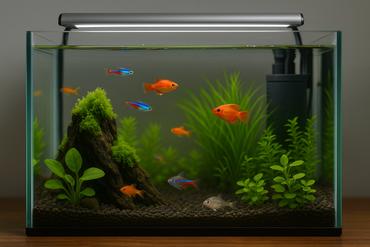
For example, the growing popularity of minimalist aquascapes has changed how beginners approach tank setup. Instead of brightly colored gravel and plastic decorations, many hobbyists now favor natural layouts using driftwood, stones, and live plants. This trend has:
- Increased demand for sustainably harvested hardscape materials
- Encouraged more interest in planted tank lighting and fertilizers
- Shifted focus toward fish that complement calm, natural designs
Popular fish associated with these layouts include neon tetras, ember tetras, chili rasboras, and dwarf corydoras. These small, schooling species fit the aesthetic while remaining manageable for beginners.
Trends also affect what newcomers believe is “normal.” A beginner who sees rimless tanks and high-end LED lighting everywhere may assume that expensive equipment is required to succeed. One of the most common beginner mistakes is chasing trends without understanding the basics of cycling, stocking, and long-term maintenance. Learning how trends influence expectations can help hobbyists separate necessity from novelty.
Environmental Impact and Sustainability in the Aquarium Hobby
One of the most significant ways aquarium trends affect the world is through their environmental footprint. Increased awareness of sustainability has pushed the hobby in a more responsible direction, but it has also revealed areas where improvement is still needed.
In the past, wild-caught fish dominated the trade. Today, trends favor captive-bred species, especially in freshwater aquariums. Fish like guppies, mollies, bettas, angelfish, and many tetras are now widely bred in captivity. This shift has reduced pressure on wild populations and made fish more adaptable to home aquariums.
Saltwater trends are evolving more slowly, but progress is being made. Captive-bred clownfish, dottybacks, and even some tang species are becoming more common. This change has global implications, as it helps protect coral reef ecosystems from overcollection.
Sustainability-driven trends have also influenced equipment choices:
- Energy-efficient LED lighting replacing older fluorescent systems
- High-efficiency filters that reduce water and power usage
- Increased use of reusable filter media instead of disposable cartridges
However, not all trends are positive. Sudden popularity of rare or visually striking species can lead to overharvesting in regions with limited regulation. Beginner hobbyists sometimes unknowingly support these practices by purchasing fish without researching their origins. Choosing captive-bred options whenever possible is one of the simplest ways hobbyists can make a global difference.
Technology Trends and Their Global Influence
Modern aquarium technology has transformed fishkeeping from a trial-and-error hobby into a more predictable and accessible experience. Trends in automation and monitoring have not only improved fish health but have also influenced how manufacturers innovate worldwide.
Smart aquarium devices are now common, even for beginner tanks. App-controlled heaters, programmable LED lights, and automated feeders allow hobbyists to maintain stable conditions with less guesswork. These technologies have global impact by:
- Reducing fish losses due to human error
- Encouraging more people to enter the hobby confidently
- Driving international demand for precision manufacturing
One trend gaining momentum is real-time water quality monitoring. Digital testers and probes provide continuous data on temperature, pH, and sometimes ammonia levels. While these tools don’t replace manual testing entirely, they reduce the risk of sudden parameter swings.
For beginners, the danger lies in over-reliance on technology. Automated systems can fail, and trends sometimes promote gadgets as replacements for fundamental knowledge. Understanding the nitrogen cycle remains essential, regardless of how advanced the equipment is. For a deeper look at this topic, beginners may find this guide to cycling a fish tank properly especially helpful.
How Aquarium Trends Shape Fish Breeding and Global Trade
The global aquarium trade is deeply influenced by what hobbyists want to keep in their tanks. When a species becomes trendy, breeders respond quickly, often reshaping entire segments of the industry.
Take betta fish as an example. Once kept primarily for their hardiness, bettas are now bred for elaborate fins, rare colors, and specific tail shapes. This trend has created thriving breeding operations across Asia, Europe, and North America. While it has increased availability, it has also raised concerns about health issues linked to extreme traits.
Similarly, the popularity of nano aquariums has boosted demand for small species such as:
- Celestial pearl danios
- Pygmy corydoras
- Scarlet badis
These fish are ideal for compact tanks, but trends can sometimes push them into setups that are too small or unstable. Beginners may underestimate the importance of consistent maintenance in nano tanks, leading to stress and shortened lifespans.
On a positive note, trends also encourage selective breeding for hardiness. Many modern strains are more tolerant of varied water conditions, making them suitable for a wider range of hobbyists. This reduces fish loss during transport and acclimation, benefiting both the animals and the global supply chain.
Compatibility, Care, and Ethical Considerations
As aquarium trends evolve, compatibility and care considerations become even more important. Popular tank styles often emphasize appearance over practicality, which can lead to mismatched species or unsuitable environments.
One common trend is mixing community fish with visually striking centerpiece species. While this can work, beginners often overlook temperament differences. For example, angelfish may appear peaceful when young but can prey on small tetras as they mature. Similarly, aggressive dwarf cichlids may clash with slow-moving tankmates.
When following trends, hobbyists should always prioritize:
- Adult size of each species, not juvenile appearance
- Temperament compatibility within the tank
- Water parameter requirements for all inhabitants
Another ethical concern tied to trends is impulse buying. Social media-driven popularity can encourage quick purchases without proper research. This often leads to overcrowded tanks, incompatible fish, and unnecessary losses.
Actionable care tips for trend-conscious hobbyists include researching species profiles, planning stocking lists in advance, and resisting the urge to add fish simply because they are popular. For those building community tanks, this community fish compatibility guide provides a solid foundation.
The Cultural and Educational Impact of Aquarium Trends
Aquarium trends also influence how people around the world connect with aquatic life. Schools, offices, and public spaces increasingly use aquariums as educational and therapeutic tools. Trends toward naturalistic tanks and biotope setups help viewers learn about specific ecosystems, from Amazonian rivers to Southeast Asian streams.
These displays foster curiosity and environmental awareness, especially among children. Seeing fish thrive in carefully designed habitats can spark interest in biology, conservation, and responsible pet ownership.
In homes, aquariums are now part of broader lifestyle trends focused on wellness and mindfulness. The calming effect of watching fish swim has been widely recognized, and this has increased demand for low-maintenance setups suitable for busy households.
However, the educational value depends on responsible implementation. Poorly maintained tanks send the wrong message and reinforce misconceptions about fish being “easy” or disposable pets. Trends that emphasize proper care and long-term commitment help elevate the hobby’s reputation worldwide.
Final Takeaway: Making Trend-Savvy, Responsible Choices
Aquarium trends shape far more than tank aesthetics. They influence global trade, environmental sustainability, technological innovation, and how society views aquatic life. For beginner and intermediate hobbyists, the key is learning to engage with trends thoughtfully rather than blindly following them.
By choosing captive-bred fish, investing in efficient equipment, researching compatibility, and focusing on long-term care, hobbyists can enjoy modern aquarium styles while contributing positively to the world beyond their glass walls. Trends will continue to evolve, but responsible fishkeeping principles remain constant.
If you’re inspired to explore further, browse more in-depth guides and reviews on RateMyFishTank.com, compare equipment options, and learn from real-world experiences shared by fellow aquarists. Staying informed is the most powerful way to ensure that the trends you follow help both your aquarium and the world it reflects.


MOST RECENT ARTICLES