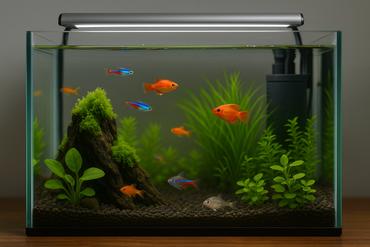
TRENDING: SOPHISTICATED WATER QUALITY MONITORING DEVICES

The Shift from Manual Testing to Smart Monitoring
Traditional aquarium care has long relied on manual test kits. Most hobbyists are familiar with the routine: collect water, add reagents, shake, and compare colors against a chart. While effective when used consistently, this method has clear limitations. Tests are only performed occasionally, results can be subjective, and problems often appear between testing sessions.
Sophisticated water quality monitoring devices fill those gaps. Instead of providing a snapshot once a week, they offer continuous insight into what’s happening inside the tank—day and night. This shift is especially important because many water quality problems develop gradually, or fluctuate on a daily cycle that manual tests can easily miss.
For example, planted tanks that use CO₂ injection often experience natural pH drops overnight. A hobbyist keeping sensitive species like cardinal tetras or German blue rams may never notice these swings with weekly testing, but a digital pH monitor reveals the pattern clearly, allowing for safer adjustments.
Another common scenario involves new tanks. During cycling, ammonia and nitrite levels can rise quickly. Continuous monitoring helps beginners visualize the nitrogen cycle in action, reinforcing lessons from guides like this in-depth explanation of aquarium cycling and reducing the risk of accidental fish losses.
What Modern Water Quality Devices Actually Measure
One reason these devices are gaining popularity is their ability to track multiple parameters simultaneously. Instead of guessing which factor might be causing stress, hobbyists can see exactly what’s happening.
- Temperature: Essential for all aquariums; sudden changes can stress fish like bettas and angelfish.
- pH: Critical for species that require stable acidity or alkalinity, including shrimp and discus.
- Ammonia: Highly toxic even in small amounts, especially in newly established tanks.
- Nitrite: Another dangerous byproduct of cycling that affects oxygen transport in fish.
- Nitrate: Less toxic short-term, but harmful over time and a major driver of algae growth.
- Salinity: Vital for saltwater fish, corals, and invertebrates.
- Dissolved Oxygen: Often overlooked, but crucial for active or river-dwelling species.
Rather than focusing on isolated numbers, these devices help hobbyists recognize trends. A slow rise in nitrate might indicate overfeeding, while repeated temperature dips could signal a failing heater. Seeing these patterns early makes corrective action far easier and less stressful for fish.
Types of Sophisticated Monitoring Devices on the Market
The term “sophisticated monitoring device” covers a wide range of products, from simple digital sensors to advanced aquarium controllers. Understanding the differences helps hobbyists choose tools that match their experience level and tank setup.
- All-in-One Smart Monitors: These compact devices track several parameters at once and often connect to smartphone apps. They’re popular with beginners because they’re easy to install and interpret. Alerts notify users when readings fall outside safe ranges.
- Dedicated Digital Probes: These focus on a single parameter, such as pH or salinity. Reef hobbyists often rely on high-quality salinity probes to maintain stability for corals and invertebrates.
- Aquarium Controllers: Designed for more advanced setups, controllers integrate monitoring with automation. They can control heaters, lights, dosing pumps, and even auto top-off systems. While powerful, they require careful setup and understanding.
- Cloud-Connected Systems: These devices store data online, making them ideal for hobbyists who travel frequently or manage multiple tanks. Historical data can be reviewed to identify long-term trends.
A beginner with a 15-gallon freshwater tank housing guppies, platies, and corydoras might find an all-in-one monitor more than sufficient. In contrast, an intermediate reef keeper maintaining clownfish, cleaner shrimp, and LPS corals will benefit from salinity and temperature probes with reliable alarms.
How Smart Monitoring Improves Fish Health and Reduces Stress
Fish are remarkably good at hiding stress until conditions become severe. By the time symptoms appear—such as rapid breathing, clamped fins, or loss of appetite—water quality issues may already be advanced.
Continuous monitoring shifts aquarium care from reactive to proactive. Instead of responding to sick fish, hobbyists can address environmental changes before livestock is affected.
Consider discus, a species known for its sensitivity to water quality. Even small fluctuations in temperature or pH can suppress immune systems and invite disease. A monitoring device that sends alerts when parameters drift allows owners to correct issues quickly, maintaining long-term health.
Marine aquariums benefit even more. Corals and invertebrates lack the resilience of most fish and can suffer irreversible damage from short-term instability. Monitoring salinity and temperature continuously helps reef keepers avoid disasters caused by evaporation, heater failures, or top-off mistakes.
These tools also prevent a classic beginner error: overreacting. Seeing stable, real-time data reduces the temptation to add chemicals or perform emergency water changes unnecessarily, both of which can destabilize an otherwise healthy tank.
Compatibility and Care Considerations for Different Tank Types
While monitoring devices are versatile, they should be chosen and used with the specific aquarium setup in mind. Not every tank requires the same level of monitoring.
- Freshwater Community Tanks: Tanks with hardy species like zebra danios, mollies, and swordtails primarily benefit from temperature and ammonia monitoring. Stability matters more than precision.
- Planted Aquariums: Monitoring pH and temperature helps balance plant growth with fish comfort. Hobbyists keeping rasboras or otocinclus appreciate the added insight into how CO₂ and lighting schedules affect water chemistry.
- Shrimp Tanks: Dwarf shrimp such as cherry shrimp and crystal reds are extremely sensitive to parameter swings. Continuous monitoring can be the difference between a thriving colony and unexplained losses.
- Saltwater Fish-Only Tanks: Salinity and temperature are the top priorities. Fish like tangs and wrasses tolerate less fluctuation than many beginners expect.
- Reef Aquariums: Corals demand consistency. Monitoring devices are almost essential for maintaining long-term success.
Regardless of tank type, maintenance is crucial. Probes must be cleaned and calibrated regularly to remain accurate. Ignoring this step is a common mistake that leads to misleading readings and misplaced confidence.
Common Beginner Mistakes When Using Monitoring Technology
While these devices are powerful tools, misuse can create new problems. Understanding common pitfalls helps hobbyists get the most benefit.
- One frequent mistake is chasing numbers. Beginners may attempt to keep parameters perfectly static, not realizing that small, natural fluctuations are normal and harmless for most fish.
- Another issue is ignoring calibration schedules. Digital probes drift over time, and uncalibrated sensors can provide false reassurance or unnecessary alarms.
- Some hobbyists rely entirely on devices and neglect visual observation. Fish behavior—such as feeding response, coloration, and swimming patterns—remains one of the best indicators of health.
- Finally, there’s the temptation to buy advanced controllers too early. While impressive, complex systems can overwhelm beginners and distract from learning fundamental aquarium care. Starting simple and upgrading gradually leads to better long-term success.
Pairing technology with foundational knowledge, such as lessons from this overview of common aquarium mistakes, creates a balanced approach that benefits both fish and hobbyist.
Are Sophisticated Water Quality Devices Worth the Investment?
For many beginners and intermediate aquarists, the answer is yes—when expectations are realistic. These devices don’t magically fix poor husbandry, but they make good habits easier to maintain.
They are especially valuable for:
- Busy hobbyists who can’t test manually every few days
- Keepers of sensitive species or reef systems
- Anyone managing multiple aquariums
Budget-conscious aquarists can start with basic digital thermometers or ammonia alerts and expand as experience grows. Over time, many hobbyists find that the cost of monitoring equipment is offset by fewer livestock losses and reduced stress.
Ultimately, these tools help hobbyists understand their aquariums as dynamic systems rather than static containers of water. That shift in perspective is often what separates struggling tanks from thriving ones.
Final Takeaway: Smarter Monitoring for Stronger Aquariums
Sophisticated water quality monitoring devices represent one of the most impactful trends in modern fishkeeping. By providing continuous data, early warnings, and long-term insights, they empower hobbyists to make informed decisions and maintain stable environments.
Whether you’re caring for a simple freshwater community tank or a complex reef ecosystem, smart monitoring reduces guesswork and increases confidence. When combined with solid aquarium fundamentals, these tools can dramatically improve fish health and overall enjoyment of the hobby.
To continue learning, explore related articles on RateMyFishTank.com, compare monitoring options carefully, and share your experiences with the community. Better information leads to better aquariums—and healthier, happier fish.


MOST RECENT ARTICLES