THE BRIGHT AND COLORFUL DISCUS FISH: SPRING 2017 AQUARIUM TRENDS

The Bright and Colorful Discus Fish: Spring 2017 Aquarium Trends
As we head into the spring of 2017, the freshwater aquarium hobby is witnessing a vibrant resurgence of the undisputed "King of the Aquarium": the Discus fish. Known scientifically as Symphysodon, these South American cichlids have long been the holy grail for aquarists due to their majestic saucer-shaped bodies and a spectrum of colors that rival the most exotic saltwater reef fish. While they previously carried a reputation for being impossibly delicate, modern tank-bred strains and a better understanding of water chemistry have made them more accessible than ever to intermediate hobbyists. This season, the trend is moving away from sterile, bare-bottom breeding setups toward lush, high-tech planted "show tanks" that highlight the iridescent blues, fiery reds, and intricate patterns of new designer strains. If you have been looking for a centerpiece species that brings both challenge and unmatched beauty to your living room, there has never been a better time to dive into the world of Discus.

Spring 2017 Color Trends: Popular Discus Strains

The current landscape of Discus keeping is dominated by stunning cultivated varieties that have been meticulously bred for stability and vibrance. While wild-caught Discus, such as the Heckel or the Brown Discus, remain favorites for biotope purists, the 2017 trend is all about high-contrast "designer" strains. Leading the pack this spring are the Pigeon Blood varieties. These fish are beloved because they lack the vertical stress bars found in wild fish, resulting in a clean, bright orange or red cream base that looks spectacular under modern LED lighting.

Another massive trend this season is the "Blue Diamond" and "Cobalt" strains. These solid-colored fish offer a shimmering, metallic blue sheen that provides a cooling contrast to the warm greens of a planted aquarium. If you prefer intricate patterns, the "Leopard Skin" and "Snake Skin" varieties are currently in high demand. These fish feature fine, web-like spotting across their flanks that creates a sense of movement even when the fish is stationary. For those looking for something truly unique, keep an eye out for "Albino Platinum" strains, which offer a ghostly, pearlescent white glow that can make a dark-themed tank pop.

  • Pigeon Blood: Famous for their bright red patterns on a white or cream base.
  • Blue Diamond: A solid, iridescent blue fish that lacks any vertical bars or spotting.
  • Turquoise Discus: A classic hybrid featuring striations of brilliant green and blue over a red base.
  • Checkerboard Red: A variation of the Pigeon Blood with a distinct, repeating grid-like pattern.
  • Marlboro Red: A solid, deep orange-to-red strain that serves as a high-visibility centerpiece.

The Ideal Setup: Modern Tank Requirements

One of the biggest shifts we are seeing this year is the move toward larger, more stable environments. A common beginner mistake is attempting to keep a school of Discus in a 40-gallon tank. Because these fish are social and should be kept in groups of at least five or six, the minimum recommended size for a Discus community is 55 to 75 gallons. Discus are tall fish, so vertical height is just as important as length. This provides them with the "flight space" they need when they feel spooked, preventing them from hitting the glass or decor.

Water quality remains the cornerstone of Discus health. These fish are native to the soft, acidic waters of the Amazon, but many tank-bred varieties available in 2017 are more adaptable to neutral pH levels. However, they are still extremely sensitive to nitrate levels. To maintain their vibrant colors and prevent disease, you should aim for nitrates consistently below 10 ppm. This often requires a robust filtration system and a dedicated water change schedule. Before you bring your first group home, make sure you have mastered the process of cycling a fish tank to ensure a biologically stable environment from day one.

Temperature is another non-negotiable factor. Unlike standard tropical community fish that thrive at 78 degrees, Discus require much warmer water, typically between 82 and 86 degrees Fahrenheit. This higher temperature speeds up their metabolism and helps keep their immune systems active. When designing your tank, ensure your heaters are high-quality and distributed evenly to prevent cold spots. Using a digital controller is a great way to safeguard against heater failure, which can be devastating for such high-value fish.

Compatibility: Choosing Tank Mates for Discus

Finding the right neighbors for Discus is a balancing act of temperature tolerance and temperament. Because Discus are slow-moving, graceful, and sometimes shy, they should not be housed with aggressive "fin-nippers" like Tiger Barbs or very large, boisterous cichlids. The goal is to choose companions that share the Discus’s love for heat and soft water. Small, peaceful schooling fish are the best choice, as they act as "dither fish," showing the Discus that it is safe to swim out in the open.

Rummy Nose Tetras and Cardinal Tetras are the gold standard for Discus companions. Not only do their colors complement the Discus beautifully, but they also thrive in the same mid-80s temperature range. For the bottom of the tank, Sterba’s Corydoras are the preferred choice over other Cory species because they are specifically adapted to warmer tropical waters. Avoid "Common Plecos" as they can grow large and may develop a taste for the Discus's protective slime coat; instead, opt for the smaller, heat-loving Bristlenose Pleco to help with algae management. Always research the basics of freshwater fish compatibility to avoid expensive and stressful mistakes.

  • Cardinal Tetras: Offer brilliant blue and red stripes and handle high temperatures well.
  • Rummy Nose Tetras: Excellent schoolers that act as an "early warning system" for water quality.
  • Sterba’s Corydoras: One of the few catfish that thrives in the 84-degree Discus range.
  • German Blue Rams: Small, colorful cichlids that occupy the lower third of the tank and share similar water needs.
  • Bristlenose Plecos: Effective algae eaters that generally leave Discus alone.

Diet and Nutrition: Maintaining Color and Growth

To keep your Discus looking like the "Spring 2017" trends, nutrition is paramount. Discus are primarily carnivorous and require a diet rich in protein. While high-quality flakes and pellets can be part of their diet, most successful keepers rely heavily on frozen or live foods. Frozen bloodworms, brine shrimp, and beef heart are staples. In fact, many hobbyists create their own beef heart mixes, blending in spinach, garlic, and vitamins to boost growth and immune response.

Feeding frequency is also a key factor, especially for juvenile fish. Young Discus (under 4 inches) should be fed three to five times a day to ensure they reach their full potential size and shape. As they mature, this can be reduced to twice a day. However, frequent feeding leads to rapid waste accumulation. This is why the "Discus lifestyle" often involves 50% water changes once or twice a week. If you notice your fish becoming dark in color or hiding in the corners, it is often a sign that the water is "tired" and needs a refresh. Monitoring the dangers of high ammonia, nitrite and nitrate is especially critical during the heavy feeding phases of juvenile growth.

To enhance the specific colors of your strains, look for foods containing natural pigments. For red strains, foods with astaxanthin or krill meal can help deepen the hues. For blue strains, spirulina-based pellets can keep the iridescence sharp. A varied diet not only ensures physical health but also prevents "boredom" and helps maintain the social hierarchy within the school, as the fish will compete healthily during feeding times.

Advanced Care: Disease Prevention and Social Dynamics

Discus are social creatures that establish a clear "pecking order." This is why keeping them in a group of at least six is so important; in smaller groups, the dominant fish may relentlessly bully the weakest member, leading to stress-induced illness. When a Discus is stressed, it will often turn dark, clamp its fins, and stop eating. At the first sign of this, you should check your water parameters and observe the group dynamics. Sometimes, simply rearranging the driftwood or adding more plants to break up lines of sight can diffuse territorial aggression.

"Hole-in-the-Head" (HITH) and internal parasites are the two most common health issues faced by Discus keepers. HITH is often linked to mineral deficiencies and poor water quality. Using a high-quality water conditioner and ensuring a varied diet can prevent this. Internal parasites often manifest as white, stringy feces or a loss of weight despite a healthy appetite. Quarantine is essential; never add a new Discus directly to your main display tank without a 4-week observation period. This is the single most effective way to protect your investment and keep your community thriving.

  • Weekly Water Changes: Aim for at least 30-50% to keep nitrates as close to zero as possible.
  • Observation: Spend 10 minutes a day watching your fish eat; a Discus that refuses food is a Discus in trouble.
  • Slime Coat Health: Use conditioners that support the natural mucus layer, which is vital for their immune defense.
  • Pecking Order Management: Adding a new fish? Rearrange the tank decor to "reset" territories.
  • Substrate Choice: Use fine sand or a bare bottom for easier cleaning of uneaten high-protein foods.

Designing the Discus Show Tank

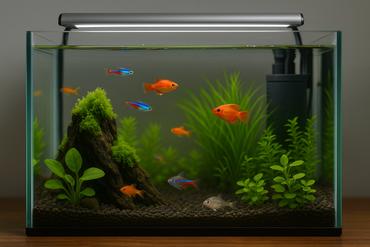
The 2017 trend for Discus is the "Nature Aquarium" style. This involves using large pieces of Manzanita driftwood that reach toward the surface, mimicking the sunken branches of the Amazon River. Plants like Amazon Swords, Jungle Val, and various Cryptocorynes are excellent choices because they can tolerate the higher temperatures Discus require. These plants provide the fish with natural hiding spots while helping to absorb excess nitrates.

Lighting should be bright enough for the plants but not so intense that it washes out the colors of the fish. Many modern LED systems allow you to program a "sunset" and "sunrise," which prevents the fish from being startled by the lights suddenly flicking on. For substrate, a light-colored cosmetic sand is often preferred. It reflects light upward, highlighting the bellies of the fish, and makes it very easy to see and siphon out uneaten food. By combining these aesthetic elements with rigorous maintenance, you create a living piece of art that serves as the focal point of any room.

Takeaway: Is the King of the Aquarium Right for You?

Keeping Discus in 2017 is more rewarding than ever before. With the incredible variety of strains available and a wealth of information at our fingertips, the barrier to entry has lowered significantly for the dedicated hobbyist. While they do require more work than your average tropical fish—specifically regarding temperature control and water changes—the payoff is a tank filled with unmatched color and grace. Success with Discus comes down to consistency: consistent water parameters, consistent feeding, and a consistent eye for detail. If you are willing to put in the effort, the Discus will reward you with years of beauty and a truly world-class aquarium experience. Ready to start your Discus journey? Check out our gallery of user-submitted tanks at RateMyFishTank.com for inspiration, and join our forums to connect with other Discus enthusiasts who are leading the trends this spring! Would you like me to help you create a specific equipment list for a new 75-gallon Discus setup?

Shrimp in the Home Aquarium: Spring 2017 Aquarium Trends
As we move into Spring 2017, a quiet revolution is taking place in the world of freshwater aquatics.
How Has Technology Changed the Aquarium Hobby?
The aquarium hobby has undergone a remarkable transformation over the past few decades.

MOST RECENT ARTICLES

The Zen of Aquascaping: Using Iwagumi Principles for Mindfulness and Stress Relief
THE ZEN OF AQUASCAPING: USING IWAGUMI PRINCIPLES FOR MINDFULNESS AND STRESS RELIEF
In the modern world, the constant noise of digital notifications and the fast-paced demands of daily life often leave us searching for a sanctuary where we can reclaim a sense of peace.
The Rise of Smart Leak Detection: Protecting Your Home from Aquarium Disasters
THE RISE OF SMART LEAK DETECTION: PROTECTING YOUR HOME FROM AQUARIUM DISASTERS
There is no sound more terrifying to an aquarium hobbyist than the slow, steady drip of water hitting a hardwood floor in the middle of the night.
Voice-Controlled Aquariums: Integrating Your Tank with Alexa and Google Home
VOICE-CONTROLLED AQUARIUMS: INTEGRATING YOUR TANK WITH ALEXA AND GOOGLE HOME
The modern aquarium hobby is undergoing a digital transformation that goes far beyond high-tech filters and LED lighting.

Rate This Tank:

AQUARIUM NEWS AND TRENDS

The Science Behind Behavior: Fish Jumping Out of Tanks
Discovering that a fish has jumped out of the aquarium is one of the most frustrating and heartbreaking moments for aquarium hobbyists.
Cleaning Your Tank Can Make You Sick
Most aquarium hobbyists view their weekly water change as a therapeutic ritual—a time to reconnect with their aquatic ecosystem and ensure the health of their finned friends.
Smart tank technology is the future of the aquarium hobby
For decades, the aquarium hobby has been defined by a delicate balance of art and science, requiring hobbyists to play the role of chemist, biologist, and engineer.
The Best 5–10 Gallon Nano Tank Setups (2025): Stocking Plans & Care Schedules
The landscape of the aquarium hobby has shifted dramatically in 2025, moving away from the "bigger is always better" philosophy toward the precision and artistry of the nano tank.
The Surprising Health Benefits of a Home Aquarium
Most of us start our first aquarium because we are captivated by the shimmering scales of a Betta or the rhythmic pulsing of a reef tank, but rarely do we realize that we are actually installing a powerful wellness tool in our living rooms.
Trending: Jellyfish in the Home Aquarium
For decades, jellyfish were considered the exclusive domain of public spectacle, reserved for massive, high-tech displays in world-class public aquariums.
Self-Poisoning: A Damaging Defense Mechanism
Imagine coming home to find your aquarium water cloudy and every inhabitant gasping for air, despite your water parameters being perfect just hours before.
Betta Fish Trending Topics for January 2017
As we dive into January 2017, the world of freshwater aquariums is buzzing with a renewed fascination for one of the hobby’s most iconic inhabitants: the Betta fish.
Species Spotlight: New Corydoras Catfish Discovered
The global aquarium community is currently navigating an era of unprecedented discovery that has fundamentally changed how we view one of the most popular groups of freshwater fish.
Species Spotlight: The Axolotl
Often referred to as the "Mexican Walking Fish," the Axolotl (Ambystoma mexicanum) is not a fish at all, but a fascinating species of neotenic salamander that spends its entire life underwater.
Aquarium Hobbyists Help Save 30 Species from Extinction
While the aquarium hobby is often viewed as a personal pursuit of beauty and tranquility, it has quietly evolved into one of the most powerful forces for global biodiversity conservation.
How Has Technology Changed the Aquarium Hobby?
The aquarium hobby has undergone a remarkable transformation over the past few decades.
Trending:  Sophisticated Water Quality Monitoring Devices
Trending: Sophisticated Water Quality Monitoring Devices
For decades, successful aquariums have depended on one invisible factor above all else: water quality.
Trending: Adding LED Moonlights to the Aquarium
There is something undeniably magical about watching an aquarium transform as the room lights dim and the sun sets.
The Bright and Colorful Discus Fish: Spring 2017 Aquarium Trends
As we head into the spring of 2017, the freshwater aquarium hobby is witnessing a vibrant resurgence of the undisputed "King of the Aquarium": the Discus fish.
Your Aquarium Might Not Be as Peaceful as You Think
An aquarium is often sold as a symbol of calm—a glass box of gently swimming fish that lowers stress and brings nature indoors.
Changes in Marine Aquarium Design
Marine aquariums have changed dramatically over the past few decades.
Aquarium News: Five New Species of Dwarfgobies Discovered
The world of marine biology has just become a little more crowded, and for fans of nano reef tanks, the news couldn't be more exciting.
Media Reactors - An Innovative Approach to Aquarium Filtration
Every aquarium hobbyist eventually reaches a crossroads where standard hang-on-back or canister filters no longer seem to provide the pristine water clarity or chemical stability their growing ecosystem requires.
The Oldest Aquarium Fish
Some fish are simply going to live longer than others, but what species have the longest lifespans?
Shrimp in the Home Aquarium: Spring 2017 Aquarium Trends
As we move into Spring 2017, a quiet revolution is taking place in the world of freshwater aquatics.
Trending: Glow in the Dark Fish
Glow in the dark fish have become one of the most talked-about trends in the aquarium world, captivating beginners and seasoned hobbyists alike with their vibrant, fluorescent colors.
Trending: Compact Aquarium Equipment
The rise of the nano tank has completely transformed the aquarium hobby, bringing the serenity of underwater landscapes into small apartments, office desks, and minimalist living spaces.
How Aquarium Trends Affect the World
The aquarium hobby may seem like a quiet, personal pastime, but the trends that shape how we keep fish ripple far beyond our living rooms.
North American Aquariums Go Green
Across North America, aquarium hobbyists are rethinking how their tanks impact the environment, embracing greener, more sustainable ways to enjoy fishkeeping without sacrificing beauty or success.
Innovations in Marine Disease Treatments
Marine aquariums are one of the most rewarding and challenging hobbies for aquatic enthusiasts, particularly when it comes to keeping fish and corals healthy.
Aquarium Fish News: Bill Introduced to Limit Aquarium Fish Collecting
The saltwater aquarium industry takes millions of fish from oceans around the world each year.
Trending:  Nano Tanks More Popular Than Ever
Trending: Nano Tanks More Popular Than Ever
Nano aquariums are no longer just a niche option for experienced hobbyists—they’ve become one of the fastest-growing trends in the aquarium world.
Cramped, Boring Environments Lead to Anger in Fish
When we think of aggressive fish, we often imagine predators with sharp teeth or naturally territorial species like Cichlids defending their nests.
Cichlid Compatibility: February Week 2 Aquarium Trends
As we navigate the second week of February, the aquarium hobby is experiencing a massive surge in Cichlid-focused setups, driven by a winter desire for high-energy, vibrant indoor displays.
News: Unique Species to Hit the Market
The aquarium hobby is constantly evolving, and every year brings new and unusual species into the spotlight.
Study Reveals that Fish May Have Individual Personalities
For decades, the scientific community and casual hobbyists alike viewed fish as simple, reflexive creatures driven entirely by instinct and basic survival needs.
News: Trade Continues Despite Threatened Conservation Status
The global aquarium trade is a multi-billion dollar industry that brings the vibrant colors of remote coral reefs and tropical rivers directly into our living rooms.
Trending: Colorful Species for the Marine Tank
Color has always been a main component of the marine tank but these species are keeping the bar high.
Wireless Aquarium Lighting Solutions
The transition from traditional fluorescent tubes to high-tech, wireless lighting has fundamentally changed the way we experience the aquarium hobby.
New Discovery Key to Keeping Pinnatus Batfish
The Pinnatus Batfish (Platax pinnatus), often called the Fire Face or Red-Finned Batfish, has long been considered the "Holy Grail" of the marine aquarium hobby—stunningly beautiful but notoriously difficult to keep alive.
The Top New Coral Species of 2013
The saltwater aquarium hobby is ever-changing -- trends and even species come and go.
Newly Discovered Fish Species of 2013
The year 2013 proved to be a landmark era for ichthyology, as researchers and explorers descended into the deepest coral reefs and trekked through remote freshwater basins to unveil creatures previously unknown to science.
News: Lionfish Invasion in the Atlantic
The lionfish invasion in the Atlantic is one of the most talked-about marine news stories of the last two decades, and it has important implications not just for scientists and conservationists, but also for aquarium hobbyists.
Aquascaping the Aquarium: March 2017 Aquarium Trends
As we transition into March 2017, the world of aquascaping is witnessing a fascinating shift toward more organic, "wild" aesthetics.
Read more articles (40)

READ AQUARIUM ARTICLES