YOUR AQUARIUM MIGHT NOT BE AS PEACEFUL AS YOU THINK

Your Aquarium Might Not Be as Peaceful as You Think
An aquarium is often sold as a symbol of calm—a glass box of gently swimming fish that lowers stress and brings nature indoors. But for many beginner and intermediate hobbyists, this calm is an illusion. While the water may be clear and the fish may not be fighting openly, unseen stress, territorial tension, and quiet competition often simmer beneath the surface. Understanding why aquariums aren’t always as peaceful as they appear is one of the most important steps toward healthier fish and long-term success in the hobby.

The Illusion of a Peaceful Aquarium

Fish are biologically programmed to hide weakness. In the wild, a fish that shows stress, injury, or exhaustion is quickly singled out by predators. This survival instinct carries over into captivity, making aquarium fish remarkably good at masking problems until those problems become severe.

Many hobbyists equate peace with stillness. If fish aren’t chasing each other, nipping fins, or dying suddenly, the tank is assumed to be healthy. In reality, aggression in aquariums is often subtle and persistent rather than dramatic. A dominant fish may simply position itself in a way that intimidates others, or quietly monopolize food and shelter.

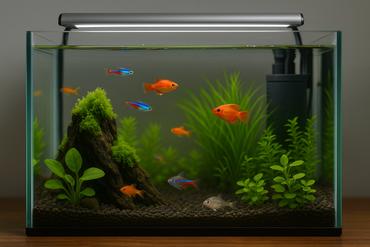
Consider a very common setup: a 20–30 gallon community tank stocked with guppies, neon tetras, a dwarf gourami, and a few corydoras catfish. On paper, every species is labeled “peaceful.” In practice, the gourami may claim the top half of the tank, the tetras may nip fins if kept in small numbers, and the guppies may struggle to compete during feeding. The tank looks calm, but several fish are under constant pressure.

This slow-burn stress is why many aquariums fail gradually. Fish don’t always die suddenly; instead, they become more prone to disease, stop eating well, and disappear one by one. The root cause often isn’t water chemistry alone—it’s unresolved social tension.

Hidden Stress and Silent Aggression

Stress is one of the most underestimated threats in aquarium keeping. Chronic stress weakens immune systems, slows growth, dulls coloration, and shortens lifespans. What makes stress so dangerous is how quietly it develops.

Silent aggression includes behaviors that don’t leave visible damage. One fish may repeatedly invade another’s space, hover nearby in a threatening posture, or block access to food and hiding places. Over time, the subordinate fish becomes exhausted and vulnerable, even though no actual fighting occurs.

Physical signs of stress often appear gradually and are easy to dismiss. A fish may lose some color, clamp its fins, or become less active. Feeding behavior often changes first—some fish rush food while others hang back, slowly losing weight.

  • Fish hiding most of the day or only appearing briefly to eat
  • Faded colors or dull, washed-out patterns
  • Clamped fins and reduced swimming confidence
  • Unequal feeding where dominant fish eat first
  • Persistent staring or slow chasing without contact

Schooling fish are a classic example of how subtle aggression emerges. Species such as tiger barbs, serpae tetras, and even zebra danios rely on group size to spread natural aggression. When kept in groups that are too small, that behavior gets redirected toward other fish, creating constant stress without obvious violence.

Another overlooked factor is time of day. Some species, including loaches and certain catfish, become far more active at night. A tank that appears calm during daylight hours may be full of disturbance after lights out, leaving diurnal fish chronically stressed.

Common Beginner Mistakes That Disrupt Peace

Most aquarium conflict begins with stocking decisions made early on. These mistakes are rarely intentional. They usually come from incomplete information, misleading labels, or well-meaning but outdated advice.

One of the biggest issues is relying too heavily on the term “community fish.” This label is extremely broad. A community fish may be peaceful under ideal conditions, but those conditions matter. Tank size, group size, aquascape, and tank mates all influence behavior.

Another frequent mistake is choosing fish based on appearance rather than behavior. Long fins, bright colors, and similar sizes do not guarantee compatibility. Betta fish are a prime example. While some bettas tolerate tank mates, many become stressed or aggressive—especially when housed with fin-nipping species or other labyrinth fish.

  • Mixing semi-aggressive fish with truly peaceful species
  • Keeping schooling fish in groups that are too small
  • Overstocking by underestimating adult size
  • Assuming bottom-dwellers don’t need territory

Angelfish often surprise beginners in a similar way. Juvenile angelfish are calm and social, but adults—especially breeding pairs—can become highly territorial. What worked in the first six months may fail in the second year.

Livebearers such as mollies and platies are another common source of conflict. While hardy and beginner-friendly, male livebearers can relentlessly chase females and tank mates in small or crowded tanks. This constant activity raises stress levels across the aquarium.

Overstocking magnifies every one of these problems. More fish means more competition for food, oxygen, and space. Even species that are peaceful by nature can become aggressive when resources are limited. For a realistic approach to stocking, the article How Many Fish Can Your Tank Hold? explains modern guidelines that go beyond outdated rules of thumb.

Territory, Hierarchy, and Tank Design

Fish do not simply share space—they divide it. Territorial boundaries and social hierarchies form quickly in aquariums, even among species considered peaceful.

Cichlids are famous for territorial behavior, but they are far from unique. Gouramis, bettas, barbs, rainbowfish, and even some tetras establish dominance structures. Problems arise when tank design does not allow fish to express these behaviors safely.

A bare tank with open swimming space forces constant interaction. Fish have nowhere to retreat, increasing stress for shy or subordinate individuals. In contrast, a thoughtfully designed aquascape provides visual barriers and escape routes.

Plants, driftwood, and rocks are not just decorative. They break lines of sight, reduce chasing, and allow fish to establish informal territories without constant confrontation.

  • Use plants to interrupt direct lines of sight
  • Add driftwood or rocks to create defined zones
  • Provide caves or dense cover for shy fish

Dwarf cichlids such as Apistogramma species demonstrate this clearly. In sparsely decorated tanks, they often become aggressive. In planted tanks with caves and structure, they may coexist peacefully with tetras and other small fish.

Bottom-dwellers also require thoughtful planning. Corydoras catfish are peaceful, but they still need open sandy areas to forage. When crowded or forced into tight spaces, they may hide constantly and stop showing natural behavior.

Compatibility and Care Considerations

True compatibility goes far beyond whether fish fight. It includes matching water parameters, activity levels, feeding behavior, and long-term care needs.

A common compatibility mistake is mixing fish that tolerate similar temperatures but differ greatly in energy level. Danios, for example, are fast, active swimmers. When housed with slower fish like fancy guppies or angelfish, they can cause constant stress simply by their movement.

Goldfish are another classic mismatch. Their calm appearance leads many beginners to assume they are peaceful community fish. In reality, goldfish prefer cooler water and produce significant waste, which stresses tropical fish even if no aggression is visible.

  • Match temperature and pH preferences carefully
  • Consider feeding speed and dietary needs
  • Account for daytime versus nighttime activity

Well-balanced community tanks often include gentle bottom-dwellers like corydoras catfish, midwater schooling fish such as harlequin rasboras, and calm centerpiece fish like honey gouramis. These species share similar environmental needs and behaviors.

Before adding any new fish, reviewing resources like the community fish compatibility guide can help prevent expensive and stressful mistakes.

Feeding practices also play a major role in maintaining peace. Slow eaters often lose out in tanks with aggressive feeders. Spreading food across the tank or using sinking foods for bottom-dwellers can significantly reduce competition.

When Peaceful Tanks Slowly Break Down

Even carefully planned aquariums can change over time. Fish grow, mature, and enter breeding condition, often altering their behavior dramatically.

Angelfish that once ignored each other may pair off and defend territory. Livebearer populations may grow rapidly, increasing competition and stress. A tank that worked beautifully for a year can suddenly feel unstable.

Environmental factors also contribute. Rising nitrate levels, skipped water changes, or fluctuating temperatures reduce stress tolerance and increase irritability. Fish that once coexisted peacefully may begin to clash under declining conditions.

This is why observation is one of the most valuable skills an aquarist can develop. Spend time watching your tank at different times of day. Notice which fish eat first, which hide, and which seem isolated.

For help recognizing behavioral warning signs early, the article Signs Your Fish Are Stressed provides practical examples that apply to both freshwater and saltwater aquariums.

Final Takeaway: Creating a Truly Peaceful Aquarium

A peaceful aquarium is not defined by stillness or silence. It is defined by healthy, natural behavior—fish that swim confidently, eat consistently, display full coloration, and interact without constant tension.

For beginner and intermediate hobbyists, the key is to look beyond appearances. Research species carefully, stock conservatively, design tanks with behavior in mind, and observe your fish daily. Small changes in layout, stocking, or feeding often make a dramatic difference.

If you want an aquarium that is genuinely harmonious—not just visually calm—continue exploring the in-depth guides, compatibility tools, and real-world advice available on RateMyFishTank.com. The more you understand what’s happening beneath the surface, the healthier and more peaceful your aquarium will be.

Trending: Colorful Species for the Marine Tank
Color has always been a main component of the marine tank but these species are keeping the bar high.
News: Unique Species to Hit the Market
The aquarium hobby is constantly evolving, and every year brings new and unusual species into the spotlight.

MOST RECENT ARTICLES

The Zen of Aquascaping: Using Iwagumi Principles for Mindfulness and Stress Relief
THE ZEN OF AQUASCAPING: USING IWAGUMI PRINCIPLES FOR MINDFULNESS AND STRESS RELIEF
In the modern world, the constant noise of digital notifications and the fast-paced demands of daily life often leave us searching for a sanctuary where we can reclaim a sense of peace.
The Rise of Smart Leak Detection: Protecting Your Home from Aquarium Disasters
THE RISE OF SMART LEAK DETECTION: PROTECTING YOUR HOME FROM AQUARIUM DISASTERS
There is no sound more terrifying to an aquarium hobbyist than the slow, steady drip of water hitting a hardwood floor in the middle of the night.
Voice-Controlled Aquariums: Integrating Your Tank with Alexa and Google Home
VOICE-CONTROLLED AQUARIUMS: INTEGRATING YOUR TANK WITH ALEXA AND GOOGLE HOME
The modern aquarium hobby is undergoing a digital transformation that goes far beyond high-tech filters and LED lighting.

Rate This Tank:

AQUARIUM NEWS AND TRENDS

The Science Behind Behavior: Fish Jumping Out of Tanks
Discovering that a fish has jumped out of the aquarium is one of the most frustrating and heartbreaking moments for aquarium hobbyists.
Cleaning Your Tank Can Make You Sick
Most aquarium hobbyists view their weekly water change as a therapeutic ritual—a time to reconnect with their aquatic ecosystem and ensure the health of their finned friends.
Smart tank technology is the future of the aquarium hobby
For decades, the aquarium hobby has been defined by a delicate balance of art and science, requiring hobbyists to play the role of chemist, biologist, and engineer.
The Best 5–10 Gallon Nano Tank Setups (2025): Stocking Plans & Care Schedules
The landscape of the aquarium hobby has shifted dramatically in 2025, moving away from the "bigger is always better" philosophy toward the precision and artistry of the nano tank.
The Surprising Health Benefits of a Home Aquarium
Most of us start our first aquarium because we are captivated by the shimmering scales of a Betta or the rhythmic pulsing of a reef tank, but rarely do we realize that we are actually installing a powerful wellness tool in our living rooms.
Trending: Jellyfish in the Home Aquarium
For decades, jellyfish were considered the exclusive domain of public spectacle, reserved for massive, high-tech displays in world-class public aquariums.
Self-Poisoning: A Damaging Defense Mechanism
Imagine coming home to find your aquarium water cloudy and every inhabitant gasping for air, despite your water parameters being perfect just hours before.
Betta Fish Trending Topics for January 2017
As we dive into January 2017, the world of freshwater aquariums is buzzing with a renewed fascination for one of the hobby’s most iconic inhabitants: the Betta fish.
Species Spotlight: New Corydoras Catfish Discovered
The global aquarium community is currently navigating an era of unprecedented discovery that has fundamentally changed how we view one of the most popular groups of freshwater fish.
Species Spotlight: The Axolotl
Often referred to as the "Mexican Walking Fish," the Axolotl (Ambystoma mexicanum) is not a fish at all, but a fascinating species of neotenic salamander that spends its entire life underwater.
Aquarium Hobbyists Help Save 30 Species from Extinction
While the aquarium hobby is often viewed as a personal pursuit of beauty and tranquility, it has quietly evolved into one of the most powerful forces for global biodiversity conservation.
How Has Technology Changed the Aquarium Hobby?
The aquarium hobby has undergone a remarkable transformation over the past few decades.
Trending:  Sophisticated Water Quality Monitoring Devices
Trending: Sophisticated Water Quality Monitoring Devices
For decades, successful aquariums have depended on one invisible factor above all else: water quality.
Trending: Adding LED Moonlights to the Aquarium
There is something undeniably magical about watching an aquarium transform as the room lights dim and the sun sets.
The Bright and Colorful Discus Fish: Spring 2017 Aquarium Trends
As we head into the spring of 2017, the freshwater aquarium hobby is witnessing a vibrant resurgence of the undisputed "King of the Aquarium": the Discus fish.
Your Aquarium Might Not Be as Peaceful as You Think
An aquarium is often sold as a symbol of calm—a glass box of gently swimming fish that lowers stress and brings nature indoors.
Changes in Marine Aquarium Design
Marine aquariums have changed dramatically over the past few decades.
Aquarium News: Five New Species of Dwarfgobies Discovered
The world of marine biology has just become a little more crowded, and for fans of nano reef tanks, the news couldn't be more exciting.
Media Reactors - An Innovative Approach to Aquarium Filtration
Every aquarium hobbyist eventually reaches a crossroads where standard hang-on-back or canister filters no longer seem to provide the pristine water clarity or chemical stability their growing ecosystem requires.
The Oldest Aquarium Fish
Some fish are simply going to live longer than others, but what species have the longest lifespans?
Shrimp in the Home Aquarium: Spring 2017 Aquarium Trends
As we move into Spring 2017, a quiet revolution is taking place in the world of freshwater aquatics.
Trending: Glow in the Dark Fish
Glow in the dark fish have become one of the most talked-about trends in the aquarium world, captivating beginners and seasoned hobbyists alike with their vibrant, fluorescent colors.
Trending: Compact Aquarium Equipment
The rise of the nano tank has completely transformed the aquarium hobby, bringing the serenity of underwater landscapes into small apartments, office desks, and minimalist living spaces.
How Aquarium Trends Affect the World
The aquarium hobby may seem like a quiet, personal pastime, but the trends that shape how we keep fish ripple far beyond our living rooms.
North American Aquariums Go Green
Across North America, aquarium hobbyists are rethinking how their tanks impact the environment, embracing greener, more sustainable ways to enjoy fishkeeping without sacrificing beauty or success.
Innovations in Marine Disease Treatments
Marine aquariums are one of the most rewarding and challenging hobbies for aquatic enthusiasts, particularly when it comes to keeping fish and corals healthy.
Aquarium Fish News: Bill Introduced to Limit Aquarium Fish Collecting
The saltwater aquarium industry takes millions of fish from oceans around the world each year.
Trending:  Nano Tanks More Popular Than Ever
Trending: Nano Tanks More Popular Than Ever
Nano aquariums are no longer just a niche option for experienced hobbyists—they’ve become one of the fastest-growing trends in the aquarium world.
Cramped, Boring Environments Lead to Anger in Fish
When we think of aggressive fish, we often imagine predators with sharp teeth or naturally territorial species like Cichlids defending their nests.
Cichlid Compatibility: February Week 2 Aquarium Trends
As we navigate the second week of February, the aquarium hobby is experiencing a massive surge in Cichlid-focused setups, driven by a winter desire for high-energy, vibrant indoor displays.
News: Unique Species to Hit the Market
The aquarium hobby is constantly evolving, and every year brings new and unusual species into the spotlight.
Study Reveals that Fish May Have Individual Personalities
For decades, the scientific community and casual hobbyists alike viewed fish as simple, reflexive creatures driven entirely by instinct and basic survival needs.
News: Trade Continues Despite Threatened Conservation Status
The global aquarium trade is a multi-billion dollar industry that brings the vibrant colors of remote coral reefs and tropical rivers directly into our living rooms.
Trending: Colorful Species for the Marine Tank
Color has always been a main component of the marine tank but these species are keeping the bar high.
Wireless Aquarium Lighting Solutions
The transition from traditional fluorescent tubes to high-tech, wireless lighting has fundamentally changed the way we experience the aquarium hobby.
New Discovery Key to Keeping Pinnatus Batfish
The Pinnatus Batfish (Platax pinnatus), often called the Fire Face or Red-Finned Batfish, has long been considered the "Holy Grail" of the marine aquarium hobby—stunningly beautiful but notoriously difficult to keep alive.
The Top New Coral Species of 2013
The saltwater aquarium hobby is ever-changing -- trends and even species come and go.
Newly Discovered Fish Species of 2013
The year 2013 proved to be a landmark era for ichthyology, as researchers and explorers descended into the deepest coral reefs and trekked through remote freshwater basins to unveil creatures previously unknown to science.
News: Lionfish Invasion in the Atlantic
The lionfish invasion in the Atlantic is one of the most talked-about marine news stories of the last two decades, and it has important implications not just for scientists and conservationists, but also for aquarium hobbyists.
Aquascaping the Aquarium: March 2017 Aquarium Trends
As we transition into March 2017, the world of aquascaping is witnessing a fascinating shift toward more organic, "wild" aesthetics.
Read more articles (40)

READ AQUARIUM ARTICLES