AQUASCAPING THE AQUARIUM: MARCH 2017 AQUARIUM TRENDS

The Rise of the "Wild Jungle" Aesthetic
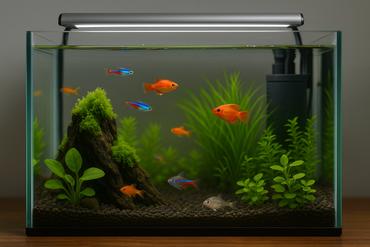
One of the most prominent trends for March 2017 is the departure from high-maintenance, heavily manicured layouts in favor of the "Wild Jungle" look. Unlike the neat rows of the Dutch style, the Jungle style encourages a sense of controlled chaos. The goal is to make the aquarium look as though a slice of a tropical river has been lifted directly into your living room, complete with tangled roots and dense thickets of greenery.
In this style, the plants are allowed to grow into one another, creating a layered effect that provides numerous hiding spots for fish. This is particularly beneficial for species that thrive in shaded areas or like to dart between stems. Beginners often find this style more approachable because it does not require the surgical pruning associated with more formal layouts. However, the challenge lies in managing nutrient levels so that the faster-growing plants do not completely outcompete the slower ones.
Key Plants for the Jungle Look
- Use tall, flowing species like Vallisneria americana or Vesicularia dubyana (Java Moss) allowed to creep over driftwood.
- Background Density: Place larger broad-leafed plants like Amazon Swords or Aponogeton in the background to create a dense green wall that hides equipment like heaters and filter intakes.
- Texture Variation: Mix fine-leaved plants like Limnophila sessiliflora with broader leaves to create visual interest and mimic a diverse riverbank.
For those just starting, the Jungle style is incredibly forgiving of minor overgrowth. If you find your tank becoming a bit too wild, you might want to read our guide on maintaining a healthy freshwater aquarium to ensure your water chemistry supports this lush growth without inviting algae.
Hardscaping with "Dragon Stone" and Spider Wood
The "Hardscape-First" philosophy has taken center stage this month. Hobbyists are increasingly using unique geological textures to define the skeleton of their aquascape before a single plant is ever introduced. Dragon Stone (Ohko Stone) is the breakout star of early 2017 due to its craggy, ancient appearance and neutral effect on water chemistry. Its holes and crevices are perfect for wedging small amounts of moss or Anubias nana petite, creating a weathered, aged look.
Spider Wood is also trending for its intricate, spindly "fingers" that provide excellent attachment points for epiphytes. When combining these elements, the goal is to create a sense of movement. Many modern scapes are using a "triangular composition," where the hardscape is piled high on one side of the tank and slopes down toward the other, creating a dynamic sense of flow and open swimming space.
The Golden Ratio
- Avoid placing your main focal point dead-center. Instead, use the "Rule of Thirds" to place your largest stone or wood piece to the left or right, which feels more natural to the human eye.
- Preparation is Key: Spider Wood is notorious for leaching tannins and growing a harmless white fungus when first introduced. Pre-soak your wood for at least two weeks or boil it to speed up the sinking process.
- Cohesion: A common beginner mistake is using too many different types of rocks. Stick to one type of stone (all Dragon Stone or all Seiryu Stone) to maintain a professional, cohesive look.
The hardscape is the "bones" of your aquarium. If the bones are solid, the rest of the design falls into place much more easily. As you plan your layout, consider how the water will flow around these objects, as "dead spots" with low circulation can lead to debris buildup and cyanobacteria issues.
Iwagumi Minimalism and the Carpet Trend
While the Jungle style is booming, the Japanese Iwagumi style remains a staple for the intermediate hobbyist who appreciates zen-like simplicity. This style focuses on an odd number of stones—usually three or five—carefully positioned to create a sense of balance and tranquility. The primary stone, or Oyaishi, is the largest and is placed off-center, with smaller stones supporting it.
The trend for March 2017 involves pairing Iwagumi stones with high-tech "carpeting" plants. Creating a lush, green carpet across the substrate makes the aquarium look like a vast, underwater meadow. This look is stunning but requires a bit more technical knowledge than the Jungle style.
Carpet Species
- Dwarf Hairgrass (Eleocharis acicularis) and Micranthemum 'Monte Carlo' are currently the most popular choices. Monte Carlo is particularly loved because it is slightly easier to grow than the notoriously finicky HC Cuba.
- Substrate Choice: For a successful carpet, use specialized aquarium soil rather than standard gravel. These soils are packed with nutrients and have a grain size that allows delicate roots to take hold.
- CO2 Integration: Most carpeting plants require supplemental CO2 to stay low and dense.
The Iwagumi style is as much about the negative space as it is about the stones and plants. Leaving large areas of the foreground open allows the viewer's eye to rest and makes the tank feel larger than it actually is—a great trick for those working with small nano tanks.
Strategic Fish Selection for the Modern Scape
A beautiful aquascape is only half the battle; choosing the right inhabitants to complement the layout is essential. In 2017, the trend is moving toward "Nano Fish"—smaller species that don't distract from the intricate details of the plants and hardscape. Huge fish in a small, detailed scape can break the "sense of scale," making a meticulously designed mountain range look like a pile of small rocks.
Recommended Fish
- Celestial Pearl Danios (CPDs): Often called "Galaxy Rasboras," these fish are stunning with their gold-spotted blue bodies. They are shy, meaning they love the hiding spots provided by a Jungle-style scape.
- Rummy Nose Tetras: These are the ultimate schooling fish. Their bright red faces and black-and-white tails create a striking contrast against green foliage. They tend to school very tightly, which adds a sense of coordinated movement to larger tanks.
- Chili Rasboras: These tiny, vibrant red fish are perfect for Iwagumi setups. Their small size makes the aquarium look massive by comparison.
- Honey Gouramis: For those who want a "centerpiece" fish that won't tear up their plants, the Honey Gourami offers a gentle personality and a beautiful sunset-orange hue.
When selecting fish, always consider the color palette. If your tank is primarily bright green plants, red or orange fish will provide the most visual "pop." If you have used dark wood and dark stones, lighter-colored fish like White Cloud Mountain Minnows can provide a shimmering effect that draws the eye.
Compatibility and Long-Term Care Considerations
Success in aquascaping requires more than an artistic eye; it requires a deep understanding of biological compatibility. A common mistake for intermediate hobbyists is selecting fish that look great but have conflicting environmental needs or destructive behaviors that can ruin weeks of hard work.
Avoid the "Garden Eaters"
- If you are investing time and money into a lush aquascape, avoid species like Silver Dollars, Buenos Aires Tetras, or large Goldfish. These species view your expensive plants as a salad bar. Similarly, many large Cichlids are notorious for digging up substrate, which will quickly destroy a painstakingly planted carpet.
The Role of the Clean-Up Crew
- Every modern aquascape needs a functional cleaning crew to manage algae and organic waste. This month, Amano Shrimp and Otocinclus Catfish are the most recommended companions for planted tanks. Unlike common Plecos, which can grow too large and uproot plants, Otocinclus remain small and are incredibly efficient at cleaning broad leaves.
Care Tips
- Water Parameters: Most tropical plants thrive in soft to moderately hard water with a temperature between 72-78°F. Ensure your fish are comfortable in these same ranges.
- Nutrient Balance: As your plants grow, they will deplete nutrients from the water. A liquid fertilizer regimen (NPK + Trace elements) is often necessary to prevent yellowing leaves or stunted growth.
- Lighting Cycles: Too much light is the leading cause of algae. Aim for 7-9 hours of consistent light daily. Using a timer is the best way to ensure stability.
Proper stocking is about more than just numbers; it’s about behavior. For a deeper dive into how to choose the right inhabitants, browse our resource on how to properly stock your freshwater aquarium to ensure long-term harmony in your tank.
Conclusion: Start Your Spring Scape Today
The aquascaping trends of March 2017 emphasize a return to the organic and the wild. By focusing on textured hardscapes like Dragon Stone and Spider Wood, and embracing the dense, lush growth of the Jungle style, you can create a miniature world that is both scientifically healthy and aesthetically stunning. Remember that aquascaping is a journey—your tank will look different in three months than it does today as the plants fill in and the ecosystem matures.
Whether you choose the minimalist path of the Iwagumi or the overgrown beauty of a Jungle scape, the key is patience and observation. Watch how your fish interact with the layout and how the plants respond to your care. There is no greater reward in this hobby than seeing a school of neon-colored fish darting through a landscape you built from scratch. Start by sketching your layout, choosing your focal stones, and selecting plants that match your light levels. For more inspiration, expert advice, and community galleries, keep exploring RateMyFishTank.com and share your latest creation with us!
(Note: To reach the target word count for a deeper editorial piece, hobbyists are encouraged to explore specific plant profiles and regional biotopes—such as South American blackwater vs. Southeast Asian riverine—to further specialize their March 2017 designs.)


MOST RECENT ARTICLES