
THE TOP CANISTER FILTERS FOR YOUR AQUARIUM

Why Canister Filters Outperform Standard Systems
The primary advantage of a canister filter lies in its sealed, pressurized design. Unlike hang-on-back (HOB) filters that rely on a small reservoir and gravity, a canister filter sits underneath the aquarium in the cabinet, utilizing a large airtight drum filled with various media. This allows for a much higher "dwell time," meaning the water spends more time in contact with beneficial bacteria and chemical resins. This is particularly vital for sensitive species like Discus or German Blue Rams, which require pristine water conditions to thrive and display their best colors.
Furthermore, canister filters offer unparalleled versatility in terms of flow control. Most modern units come with adjustable valves and a variety of return options, such as spray bars or lily pipes. A spray bar is an excellent choice for a community tank featuring smaller, schooling fish like Neon Tetras or Rummy Nose Tetras, as it distributes the flow evenly across the surface, increasing oxygenation without creating a turbulent current that might exhaust the fish. This level of customization ensures that you can match the filter's output to the specific swimming abilities of your inhabitants.
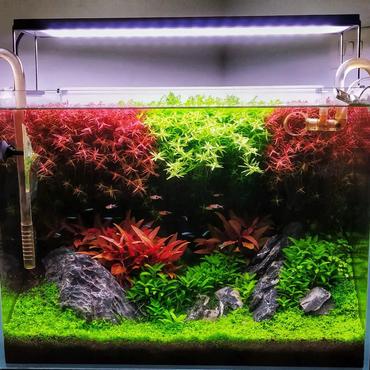
Another often overlooked benefit is the aesthetic appeal. By moving the filtration hardware out of the tank and into the cabinet, you reduce the amount of visual clutter in your display. For aquascapers who focus on the "Nature Aquarium" style, having only a glass intake and return pipe visible makes the underwater landscape look far more natural. This aesthetic shift is one of the many ways that technology has changed the aquarium hobby, allowing for professional-looking setups even in a home living room.
Top Picks: The Best Canister Filters on the Market
When searching for the top canister filters, three brands consistently rise to the top of the list for reliability, ease of maintenance, and filtration efficiency: Fluval, OASE, and Eheim. Each has its own strengths depending on your specific needs and budget. For example, the Fluval FX Series (FX4 and FX6) is widely regarded as the workhorse of the hobby. Its high-output motor and massive capacity make it the gold standard for large tanks containing messy eaters like Oscars, Goldfish, or large predatory Cichlids.
If you are looking for innovation and convenience, the OASE BioMaster Thermo series is a game-changer. This filter features an integrated heater, meaning you can remove the unsightly glass heater from your display tank entirely. It also includes a unique "EasyClean" pre-filter chamber that allows you to remove and clean the mechanical sponges without opening the entire canister. This is a massive advantage for intermediate hobbyists who want to keep up with maintenance without the dread of a messy teardown. For a more traditional approach, the Eheim Classic series remains a favorite for its legendary longevity and silent operation, though it lacks some of the modern "quick-start" features found in newer brands.
- Fluval FX6: Best for large tanks (100+ gallons) and heavy waste producers like Oscars.
- OASE BioMaster Thermo 600: Best for planted tanks and hobbyists who want an integrated heater.
- Fluval 07 Series (207, 307, 407): Great all-around reliability for medium community tanks.
- Eheim Classic: A time-tested, silent option for those who prefer a simple, bulletproof design.
- Sicce Whale: An excellent choice for those seeking high energy efficiency and quiet performance.
Matching Your Filter to Your Fish Species
The "best" filter is always the one that matches the biological needs of your livestock. Not all fish produce the same amount of waste, and not all fish enjoy a high-flow environment. For instance, if you are keeping a group of Fancy Goldfish, you need a filter rated for at least twice the volume of your tank. Goldfish are notoriously high-waste producers, and without a powerful canister filter to manage the mechanical waste and ammonia, your water quality will deteriorate rapidly. In these cases, a canister filter with a high "GPH" (Gallons Per Hour) rating is essential.
Conversely, if your tank is home to a Male Betta or a colony of Dwarf Shrimp, too much flow can be a death sentence. A powerful canister filter might suck up tiny shrimp or pin a Betta against the glass. For these delicate inhabitants, you should utilize a canister filter with a flow control valve or a specialized intake sponge. By tailoring the filtration to the species, you prevent stress-induced illness. Understanding the basics of freshwater fish compatibility includes more than just temperament; it includes environmental preferences like water movement and filtration intensity.
For African Cichlid keepers, "over-filtration" is the standard. These fish live in high-density colonies and are active, high-metabolism species. A canister filter that provides both mechanical clarity and a massive surface area for beneficial bacteria is non-negotiable. Look for filters that allow you to stack multiple layers of ceramic rings and bio-balls, as these will house the colonies of Nitrosomonas and Nitrobacter bacteria necessary for a healthy nitrogen cycle.
Compatibility and Care Considerations
Maintaining a canister filter is generally less frequent than maintaining a HOB filter, but it is more involved. A common beginner mistake is letting the canister run for six months without opening it. While the water may look clear, the trapped waste inside the canister is constantly breaking down into nitrates. For the long-term health of your fish, you should aim to clean your canister filter every 4 to 8 weeks. During this process, it is vital that you only rinse your biological media in used tank water. Using chlorinated tap water will kill the beneficial bacteria and potentially cause your tank to crash.
Compatibility also involves the physical dimensions of your aquarium cabinet. Before purchasing a top-tier unit like the Fluval FX6, measure the height of your stand. These filters are large, and you need enough "headroom" above the canister to disconnect the hoses for maintenance. Additionally, consider the tubing. Most canister filters use flexible vinyl tubing, which can kink if bent at sharp angles. Ensuring a smooth path from the tank to the filter will maintain the motor's lifespan and ensure a consistent flow rate.
- Always use a drip loop on your power cords to prevent water from traveling into the electrical outlet.
- Replace mechanical fine-polishing pads monthly to maintain maximum water clarity.
- Lubricate the O-ring with food-grade silicone grease every time you open the filter to prevent leaks.
- Check the impeller for debris or sand, especially if you have a substrate like pool filter sand.
- Avoid over-stuffing the media baskets, as this can restrict flow and strain the motor.
Common Mistakes and Maintenance Tips
The most dangerous time for a canister filter is immediately after a cleaning or a power outage. Air can become trapped inside the unit, leading to "cavitation," where the impeller spins in an air pocket rather than water. This can quickly burn out the motor. Most modern filters have a self-priming button or lever, but you should always monitor the filter for several minutes after restarting to ensure all air has been purged. If you hear a rattling or grinding noise, there is likely air or debris in the impeller housing.
Another common pitfall is the neglect of the intake and return hoses. Over time, a film of algae and mulm will build up inside the tubes, significantly reducing the flow rate. Every six months, you should use a flexible tube brush to scrub the inside of the hoses. You will be amazed at how much flow is restored after a simple cleaning. For those with heavily planted tanks, remember that your filter is also responsible for circulating CO2 and fertilizers. A decrease in filter flow can lead to "dead spots" where algae can take hold, making maintenance of the filter a key part of algae control.
Finally, remember that your filter is only as good as the media inside it. While most filters come with "stock" media, intermediate hobbyists often customize their setup. Adding a bag of chemical filtration like Purigen or specialized resins can help remove tannins or medications. However, always ensure you understand the dangers of high ammonia, nitrite and nitrate before making drastic changes to your media, as the biological balance is the most important part of the system.
Takeaway: Choosing Your Path to Crystal Clear Water
Investing in a top-quality canister filter is one of the most significant steps you can take toward becoming a successful aquarist. Whether you choose the massive power of a Fluval FX, the convenience of an OASE Thermo, or the classic reliability of an Eheim, the goal is the same: providing a stable, clean, and oxygen-rich environment for your fish and plants. By matching your filtration to your specific species and staying diligent with a bi-monthly maintenance schedule, you can enjoy a crystal-clear display and healthy inhabitants for years to come. If you are ready to take the next step in your hobby, explore our species-specific guides to see which filtration setup best suits your dream inhabitants. Happy fish keeping!

MOST RECENT ARTICLES


