


Rank Info
This picture looks better than 37.48% of pictures in this category
The Average Score for this picture is: 4.04
This picture has been rated : 47 times.
The Average Score for this category is: 4.76
More Info
State:
New Jersey
Country:
United States
Description:
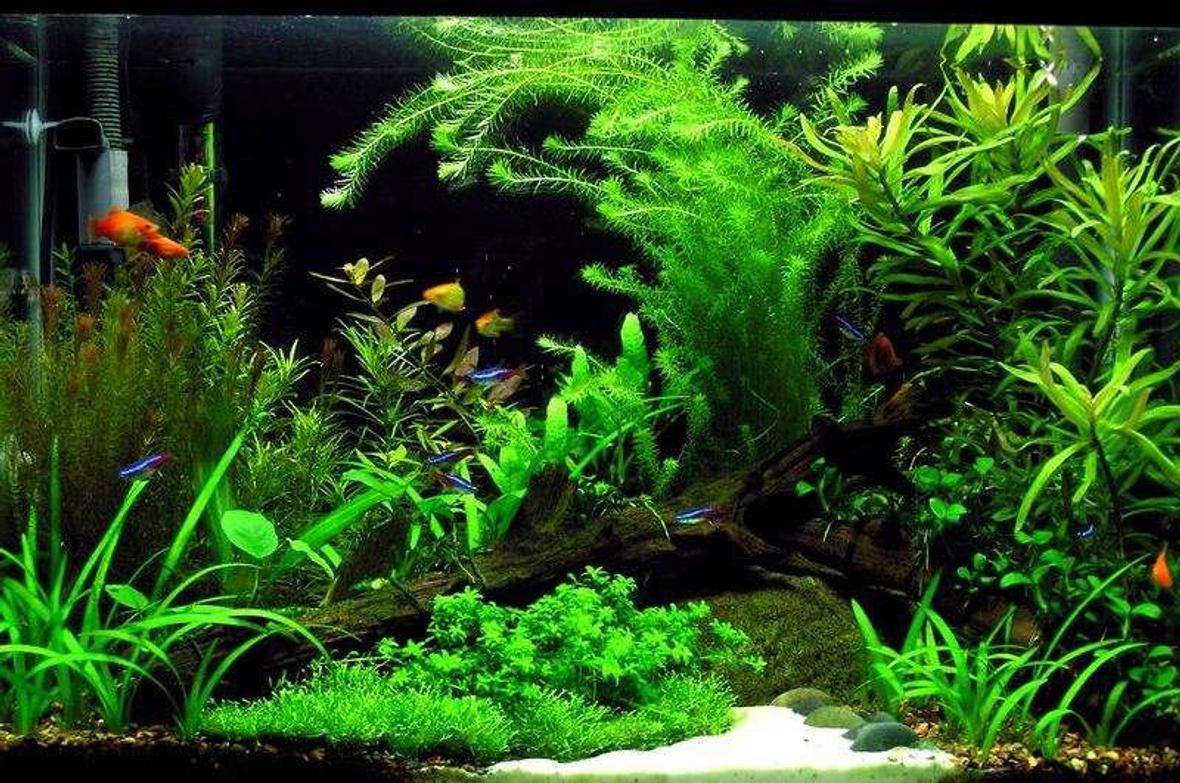
AGA high 20G tank with glass cover,
JBJ Formosa 65W light,
Fluval 105 canister filter,
CO2 (1 bubble/sec) JBJ regulator 5lb tank.
Advice:
Do not experiment with equipment - use good filters, lights and CO2.
Pay attention where you place your planted tank. If you have some direct light in the house, other than aquarium light, pointed on aquarium at time when aquarium light is turned off - you will get algae.
Fish Kept:
Flag fish, Golden Barb, Platy, Neon Tetra, Otocinclus.
Corals/Plants:
Anubias var. Nana, Riccia, Baby Tears, Sagittaria, Java Fern...
Tank Size:
20 gallons
Quote:
What would you do if you knew you could not fail?
About Yourself:
I'm IT person.
MOST RECENT ARTICLES

Nuisance algae is an inevitable challenge in any freshwater aquarium, but few things drain the joy of fishkeeping like an unexpected outbreak.

Every aquarium hobbyist, whether a complete beginner establishing a first desktop display or an experienced aquascaper managing a heavily planted setup, eventually comes face-to-face with an unsightly algae bloom.

Every aquarium keeper eventually battles the dreaded nitrate buildup, relying on endless water changes, gravel vacuuming, and heavy filter maintenance to keep water parameters safe for their fish.
COMMENTS