


Rank Info
This picture looks better than 94.33% of pictures in this category
The Average Score for this picture is: 6.67
This picture has been rated : 264 times.
The Average Score for this category is: 5.10
More Info
State:
Florida
Country:
United States
Description:
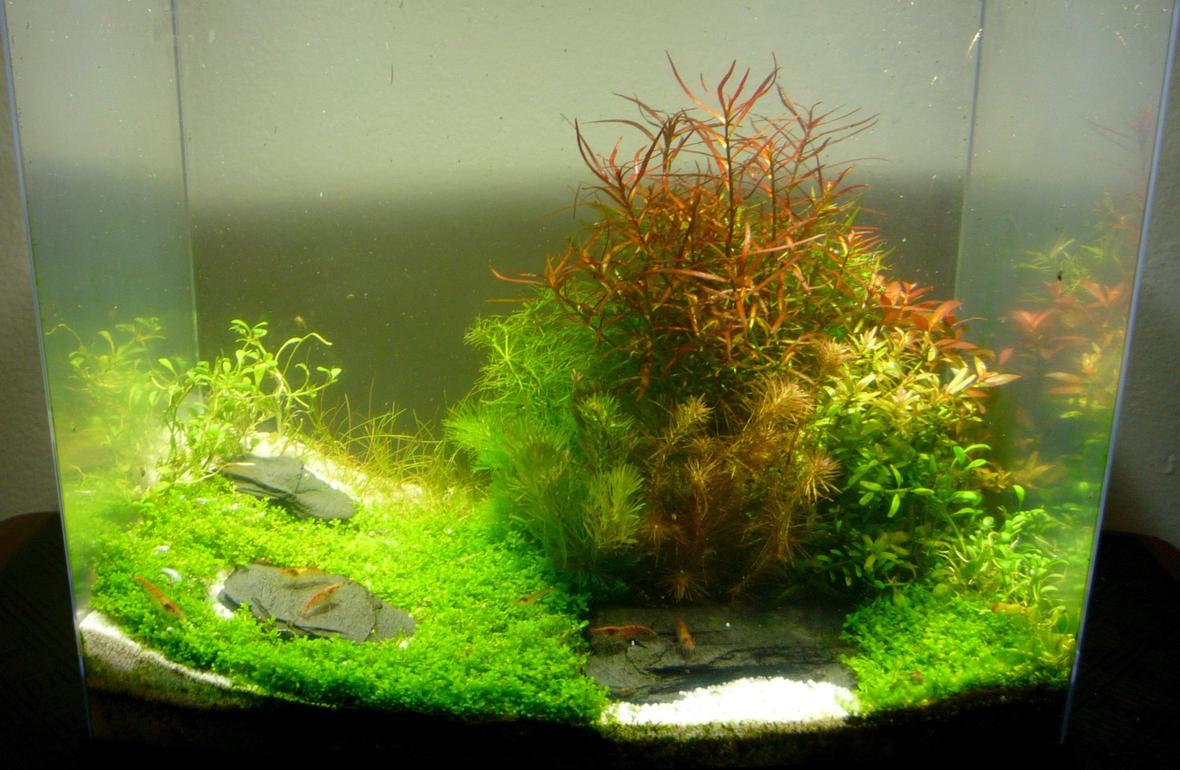
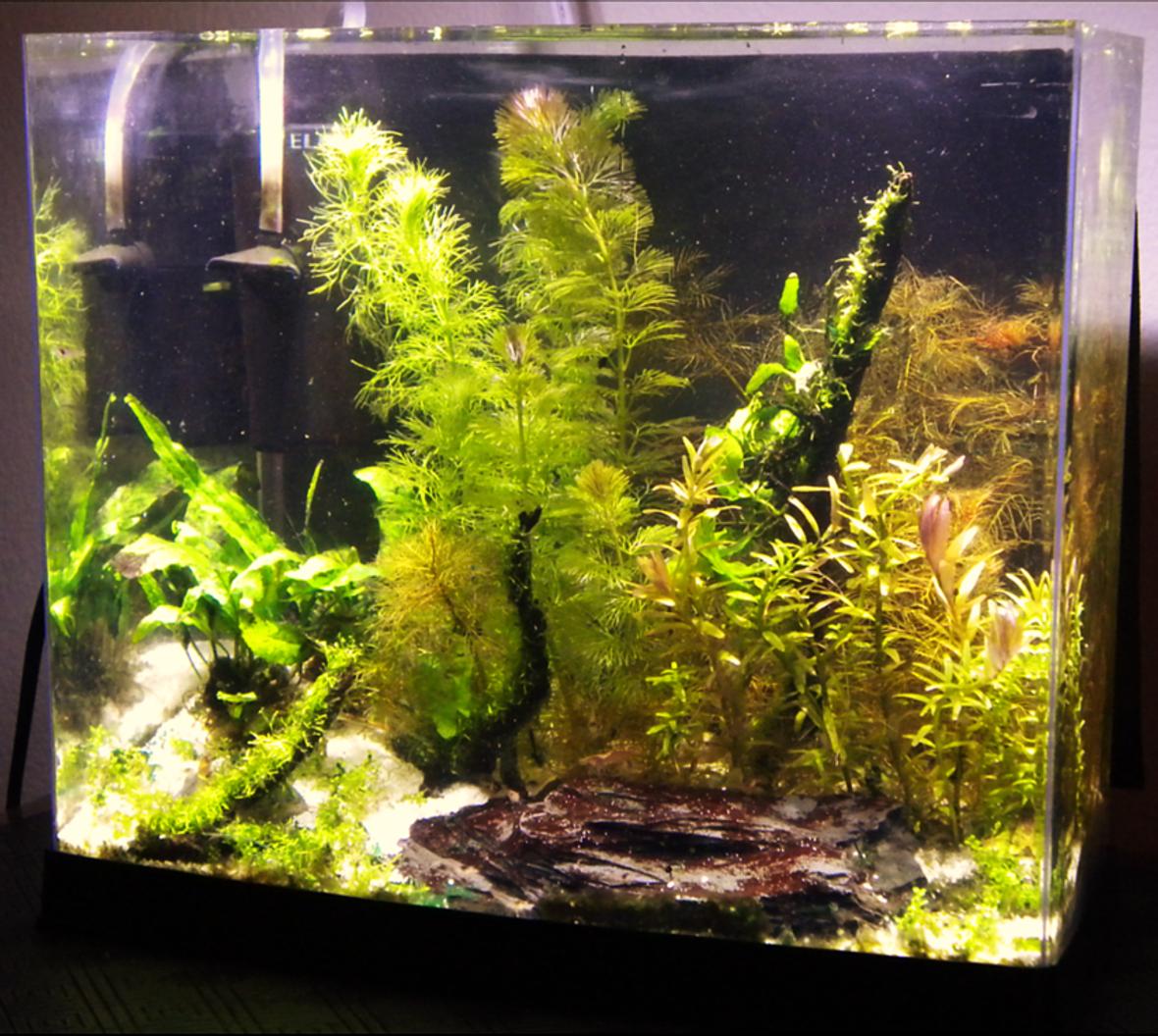
Plants and livestock listed above, with Seachem Flourite black sand substrate and 6 lb Ryou rock.
Zoo Med 501 canister filter and DIY lily pipe.
10x3 W Cree XP-G LED lighting.
Pressurized CO2 at 2 bubbles per second.
Seachem N and P daily at 1 mL; Seachem Excel daily at 0.5 mL; Seachem Fluorish, K, and Fe at 1 mL twice weekly.
Advice:
Don't underlight.
Fish Kept:
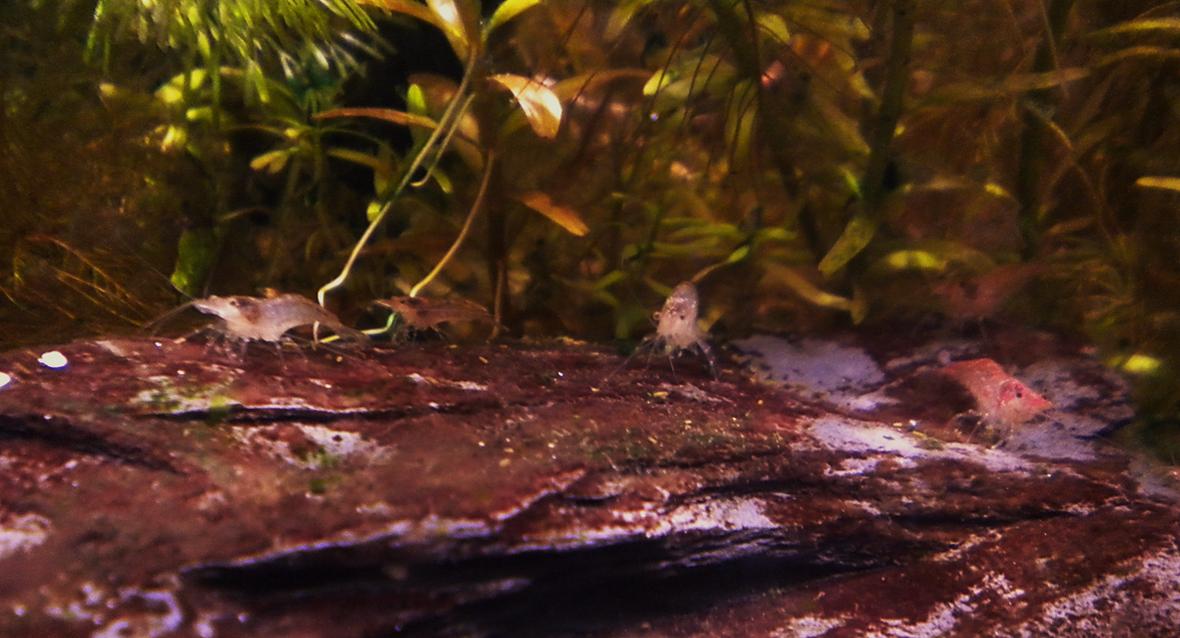
Neocaridina heteropoda var. red, Caridina multidentata
Corals/Plants:
Cabomba pulcherrima, Didiplis diandra, Eleocharis parvula, Hemianthus callitrichoides, Lilaeopsis brasiliensis, Limnophilia indica, Ludwigia arcuata, Ludwigia palustris, Marsilea quadrifolia, Micranthemum umbrosum, Pogostemon helferi, Rotala rotundifolia
Tank Size:
3 gallons
Quote:
About Yourself:
MOST RECENT ARTICLES

Nuisance algae is an inevitable challenge in any freshwater aquarium, but few things drain the joy of fishkeeping like an unexpected outbreak.

Every aquarium hobbyist, whether a complete beginner establishing a first desktop display or an experienced aquascaper managing a heavily planted setup, eventually comes face-to-face with an unsightly algae bloom.

Every aquarium keeper eventually battles the dreaded nitrate buildup, relying on endless water changes, gravel vacuuming, and heavy filter maintenance to keep water parameters safe for their fish.
COMMENTS