


Rank Info
This picture looks better than 55.71% of pictures in this category
The Average Score for this picture is: 4.04
This picture has been rated : 308 times.
The Average Score for this category is: 4.18
More Info
Country:
Australia
Description:
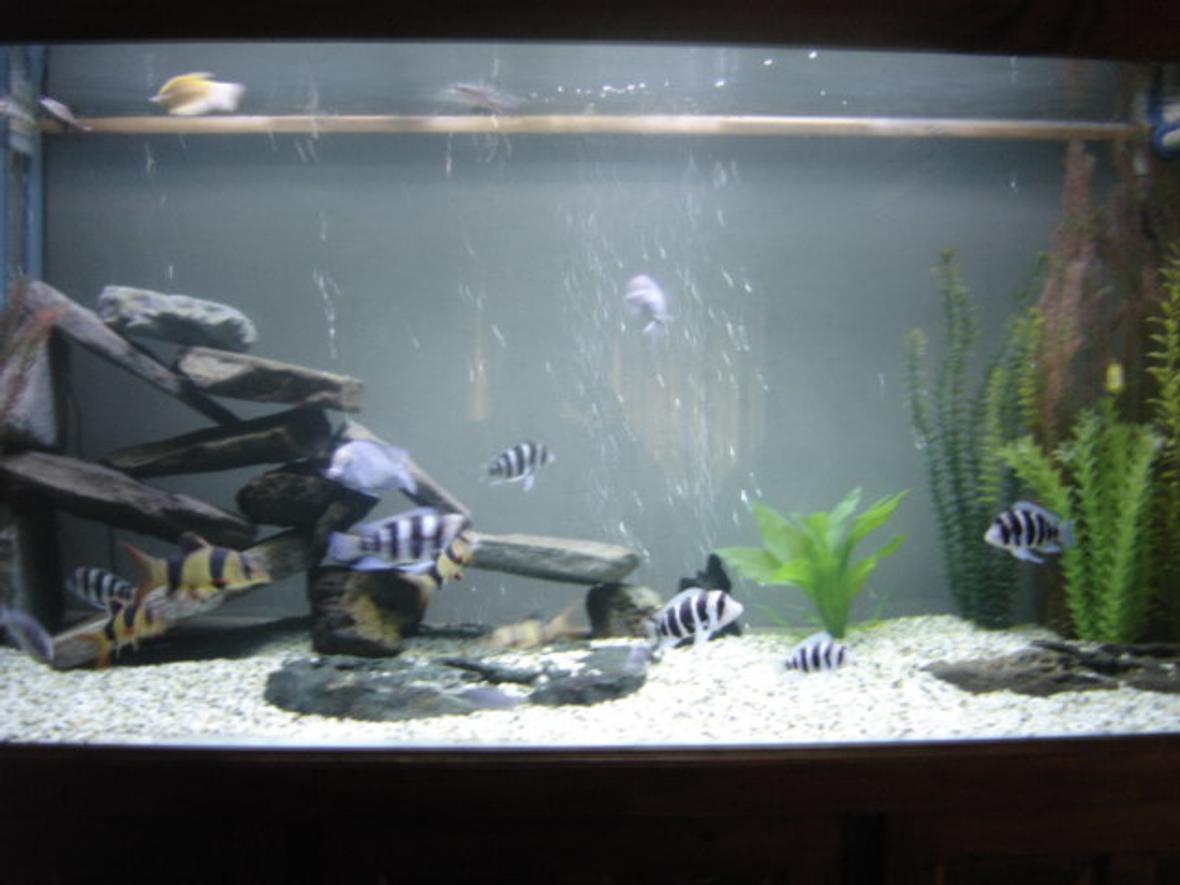
6' x 2'' x 2.5'. 4' Wet/Dry Sump. DIY extra bio-balls and siliencing for your trickle system. Easy setup for filter changes. Also have a 2' x 1' x 1.5' breeding .
Advice:
Stick at it. The bigger the tank the easier it is to look after.
Fish Kept:
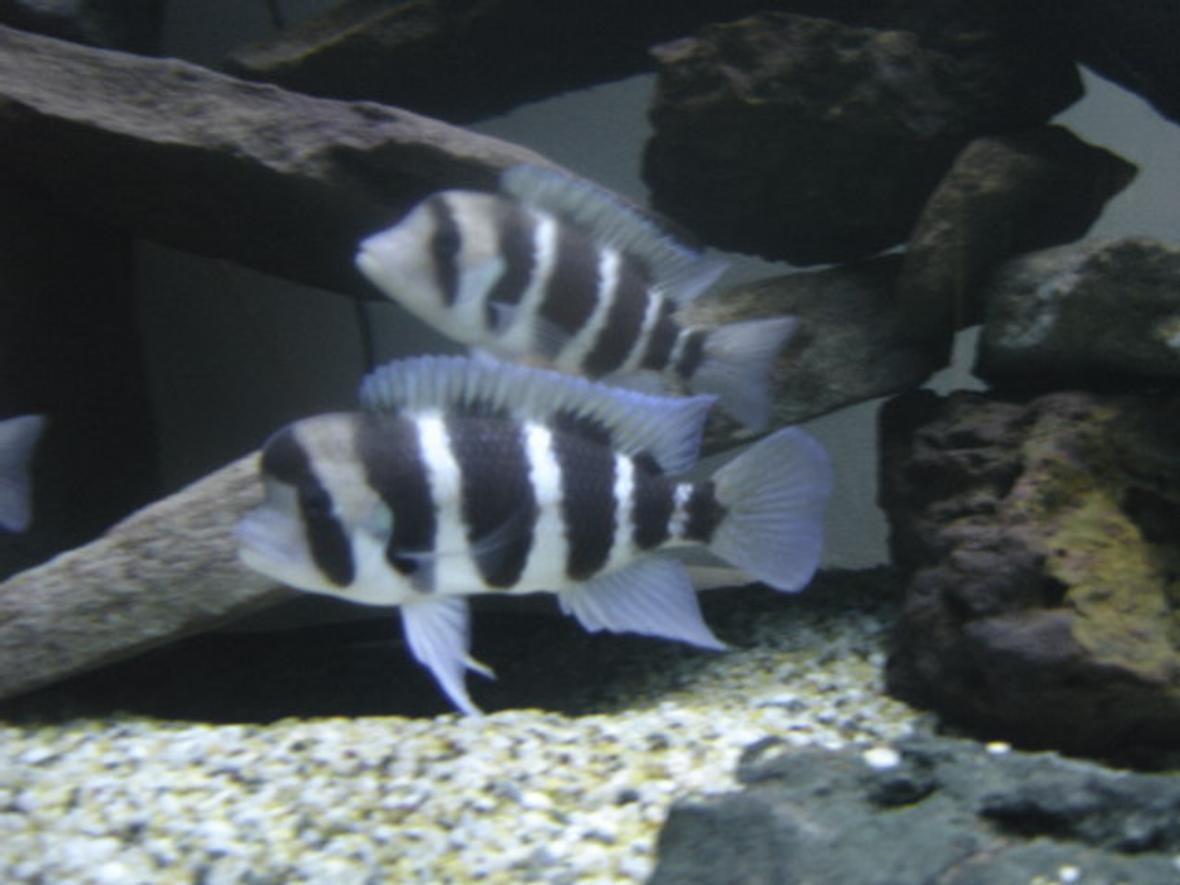
6 x Frontosa's
5 x Dolphin Fish (Blue Moorii)
4 x Bala Sharks
4 x Clown Loaches
4 x Electric Yellows
1 x Golden Gourami
Corals/Plants:
Plastic Plants
Self Cured Large Aquarium Rocks. (Very Easy)
Tank Size:
225 gallons
Quote:
Nil Stress
About Yourself:
I am currently in the Royal Australian Navy so my aquarium has to be self sufficient as my wife doesnt touch it. This could be up to 3 months at a time. Timers and self feeders do all the work. Vey easy to maintain
MOST RECENT ARTICLES

Nuisance algae is an inevitable challenge in any freshwater aquarium, but few things drain the joy of fishkeeping like an unexpected outbreak.

Every aquarium hobbyist, whether a complete beginner establishing a first desktop display or an experienced aquascaper managing a heavily planted setup, eventually comes face-to-face with an unsightly algae bloom.

Every aquarium keeper eventually battles the dreaded nitrate buildup, relying on endless water changes, gravel vacuuming, and heavy filter maintenance to keep water parameters safe for their fish.
COMMENTS