


Rank Info
This picture looks better than 33.98% of pictures in this category
The Average Score for this picture is: 3.52
This picture has been rated : 231 times.
The Average Score for this category is: 4.18
More Info
State:
Florida
Country:
United States
Description:
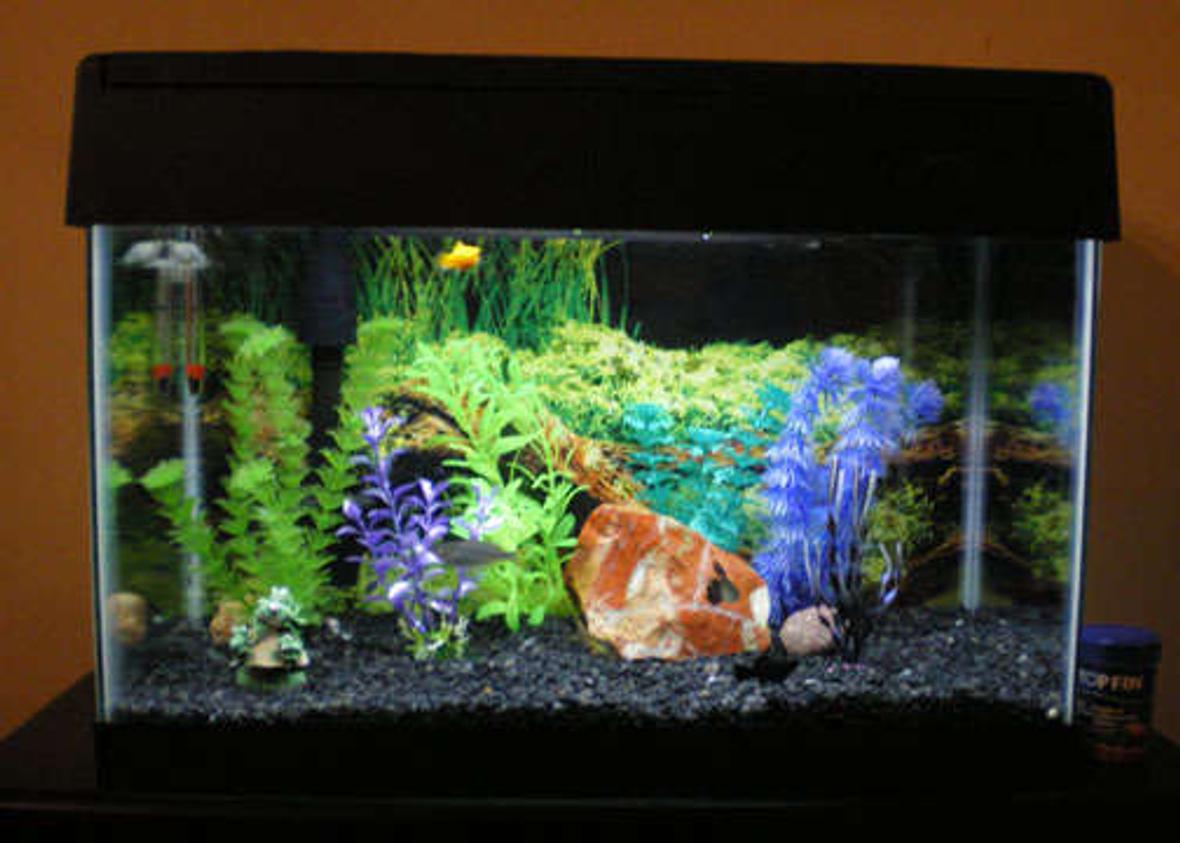
55 Gallon African Cichlid Tank
Emperor 400 Bio-Filter
Theo Hydor 300 Watt Heater
Generic Hood-single fluorescent
Crushed Coral substrate
Texas Holey Rock (3 pcs)
Misc. Store Bought decorations
No plants
Advice:
The crushed coral and limestone Texas holey rock help keep KH levels up and pH around 8.2 without having to add water conditioners. (Required for Af. Cichlids.)
Fish Kept:
Mostly Malawi Cichlids
-1 melanachromus auratus
-1 Labidochromus Caerulus
-1 Nimbochromus Venustus
-2 Gephyrochromis acei
-1 Pseudotropheus zebra
-1 Hemichromis bimaculatus
-1 pimelodus pictus
Corals/Plants:
No plants, real or artificial
Tank Size:
55 gallons
Quote:
no quote.....yet
About Yourself:
Roofer
MOST RECENT ARTICLES

Nuisance algae is an inevitable challenge in any freshwater aquarium, but few things drain the joy of fishkeeping like an unexpected outbreak.

Every aquarium hobbyist, whether a complete beginner establishing a first desktop display or an experienced aquascaper managing a heavily planted setup, eventually comes face-to-face with an unsightly algae bloom.

Every aquarium keeper eventually battles the dreaded nitrate buildup, relying on endless water changes, gravel vacuuming, and heavy filter maintenance to keep water parameters safe for their fish.
COMMENTS