


Rank Info
This picture looks better than 93.68% of pictures in this category
The Average Score for this picture is: 6.06
This picture has been rated : 18 times.
The Average Score for this category is: 4.72
More Info
State:
Colorado
Country:
United States
Description:
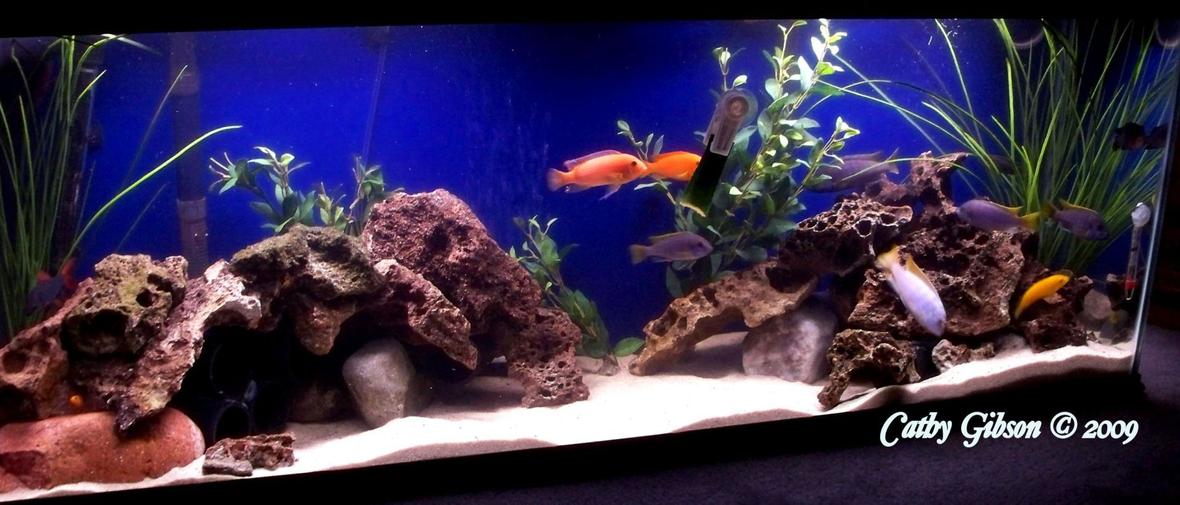
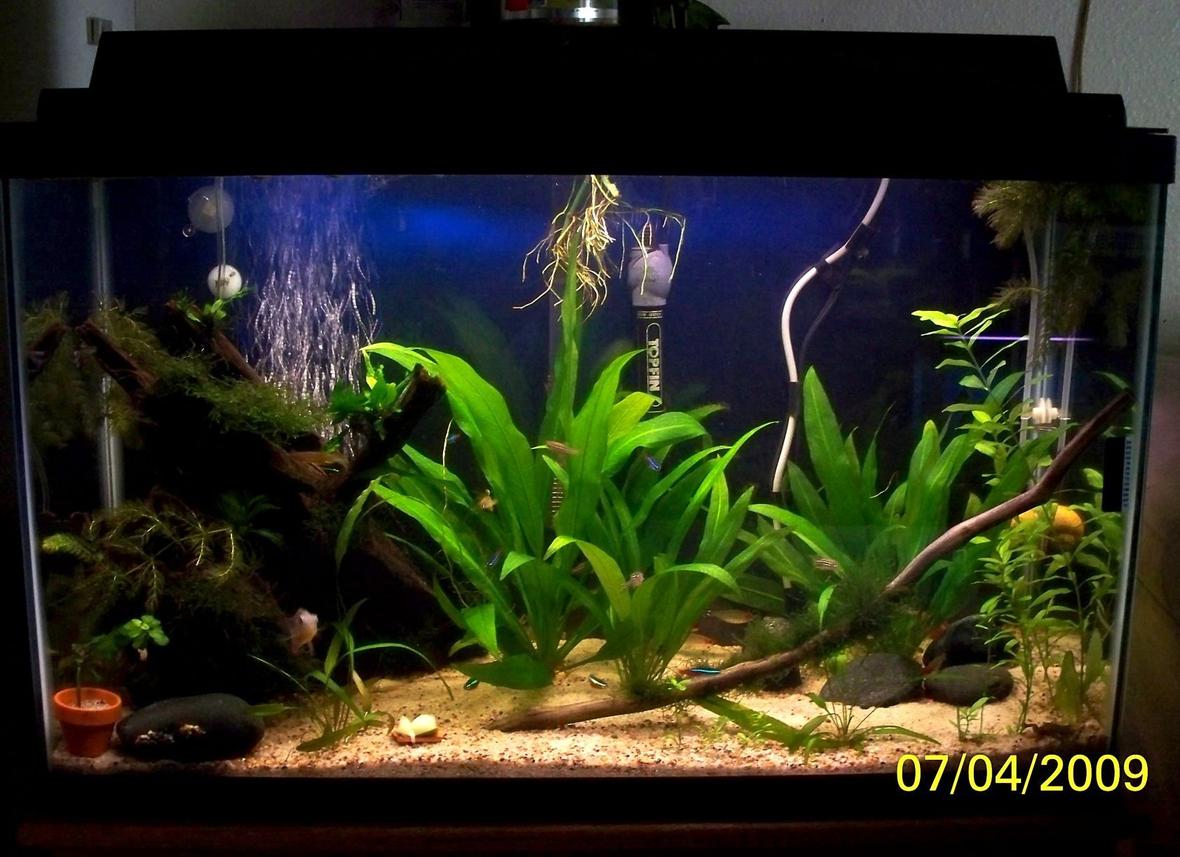
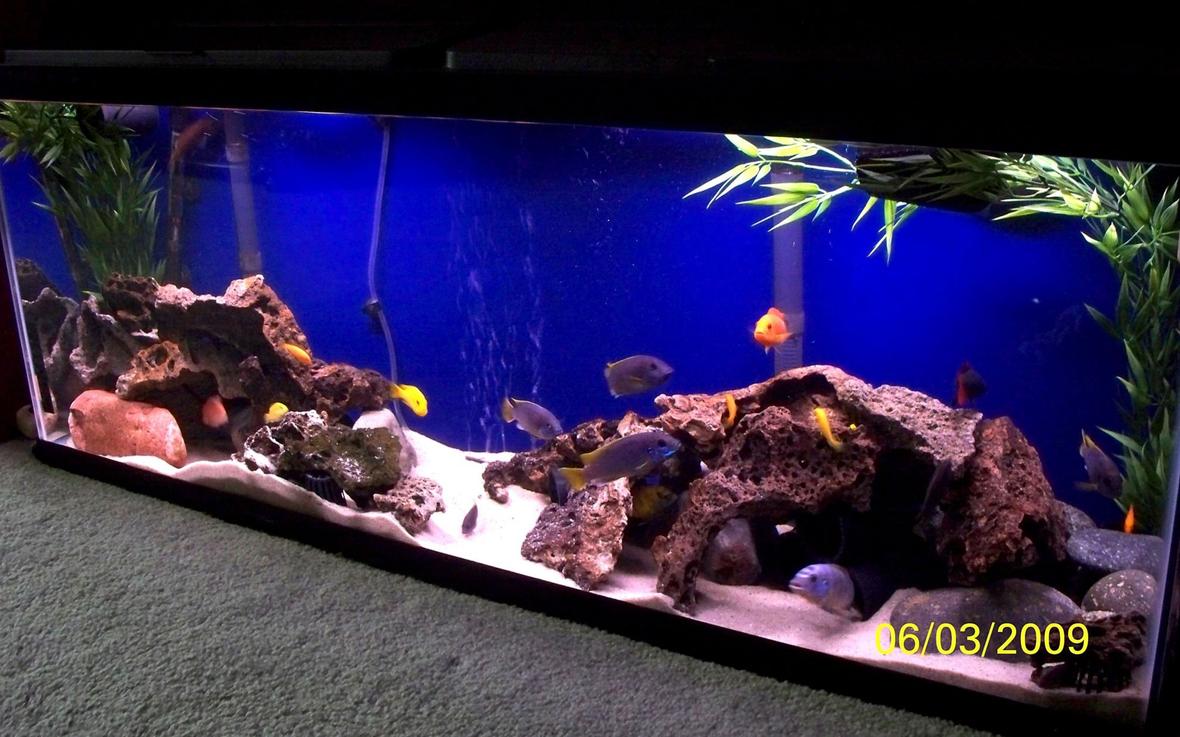
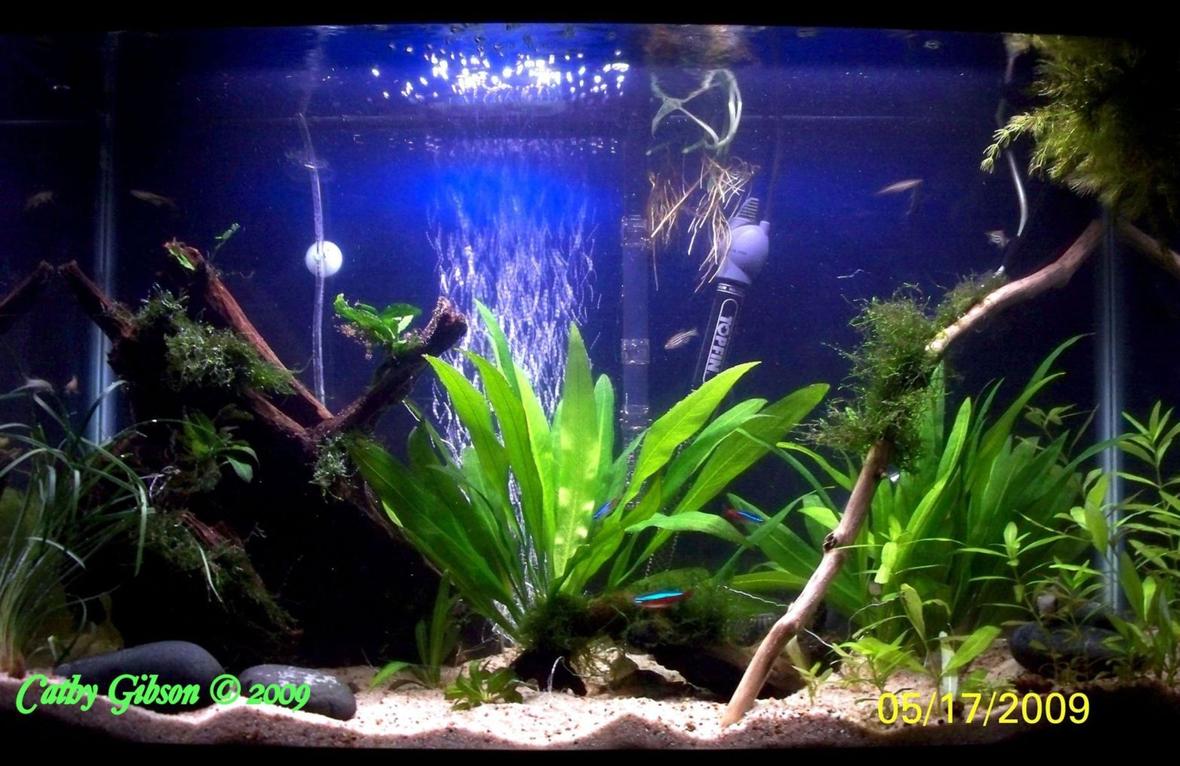
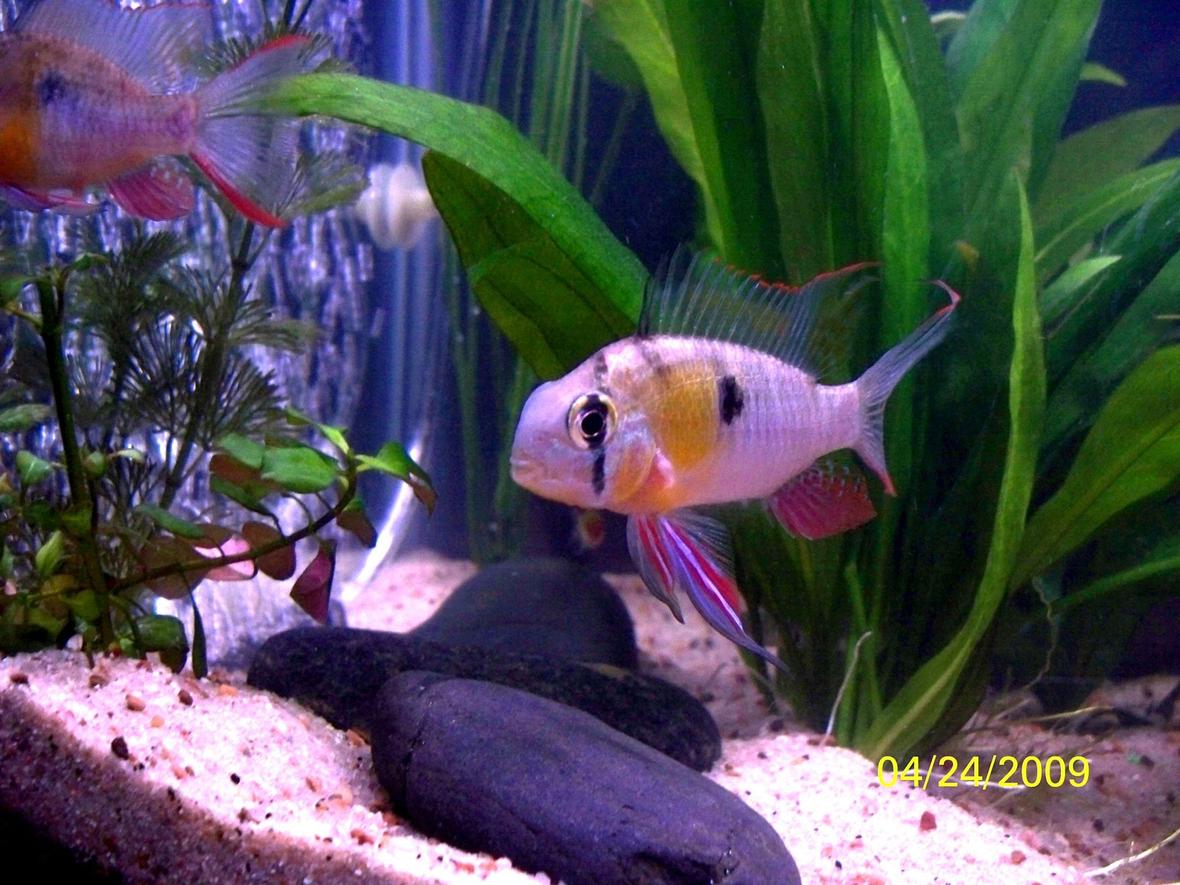
30 Gallon: Community Tank with Bolivian Rams & assorted tank mates 55 Gallon: Lake Malawi African Mbuna Cichlids. 10 & 20 Gallon: holds fry and holding females
Advice:
Read all you can about a type of fish you are thinking about. Do your research first!! Don't just buy on impulse, you may very well regret it. ALWAYS remember, those small fish you bring home will grow up someday, so take that into account. Use adult size when filling a tank, not the size they are right from the store. No, you cannot keep community fish with African cichlids! They may all get along now, but when the cichlids reach maturity they WILL kill off the community fish!
Fish Kept:
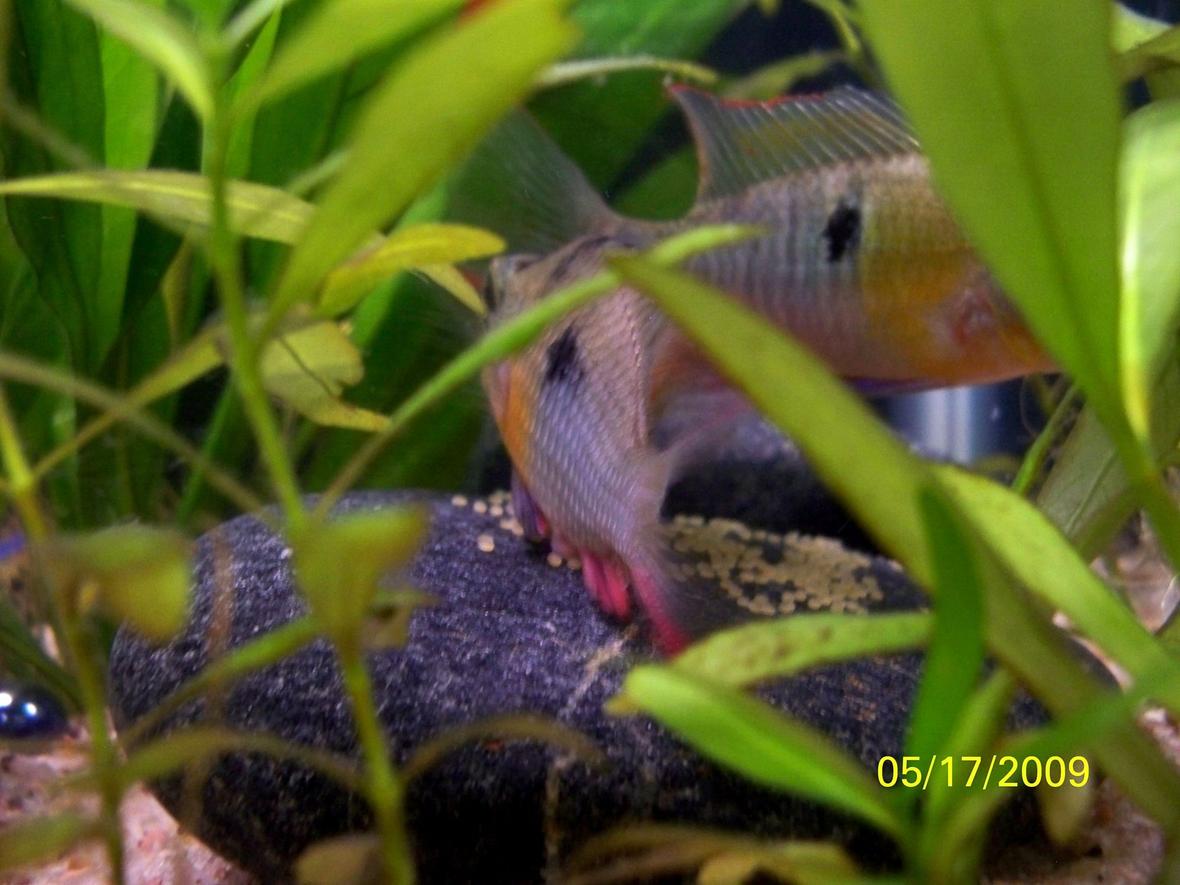
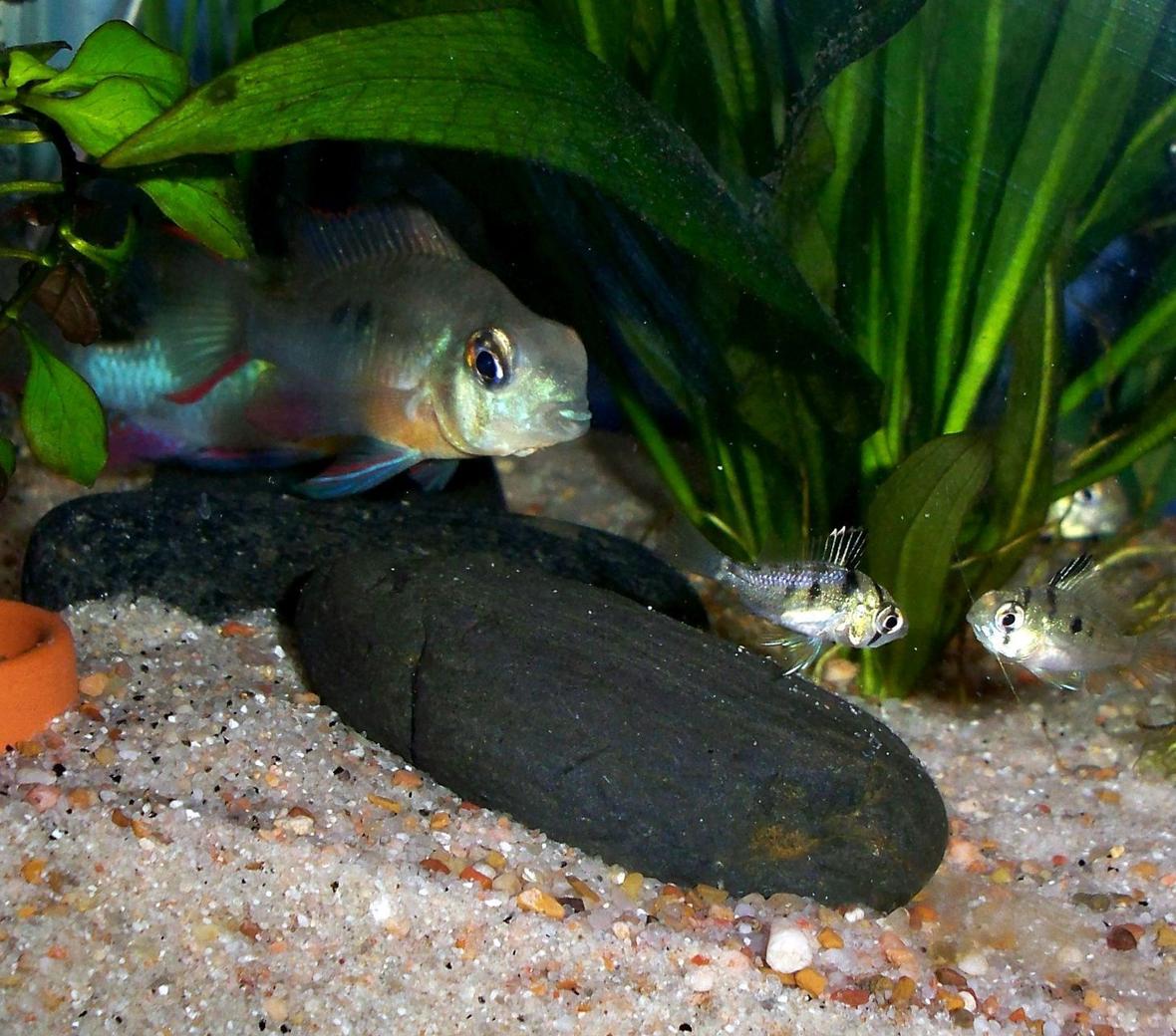
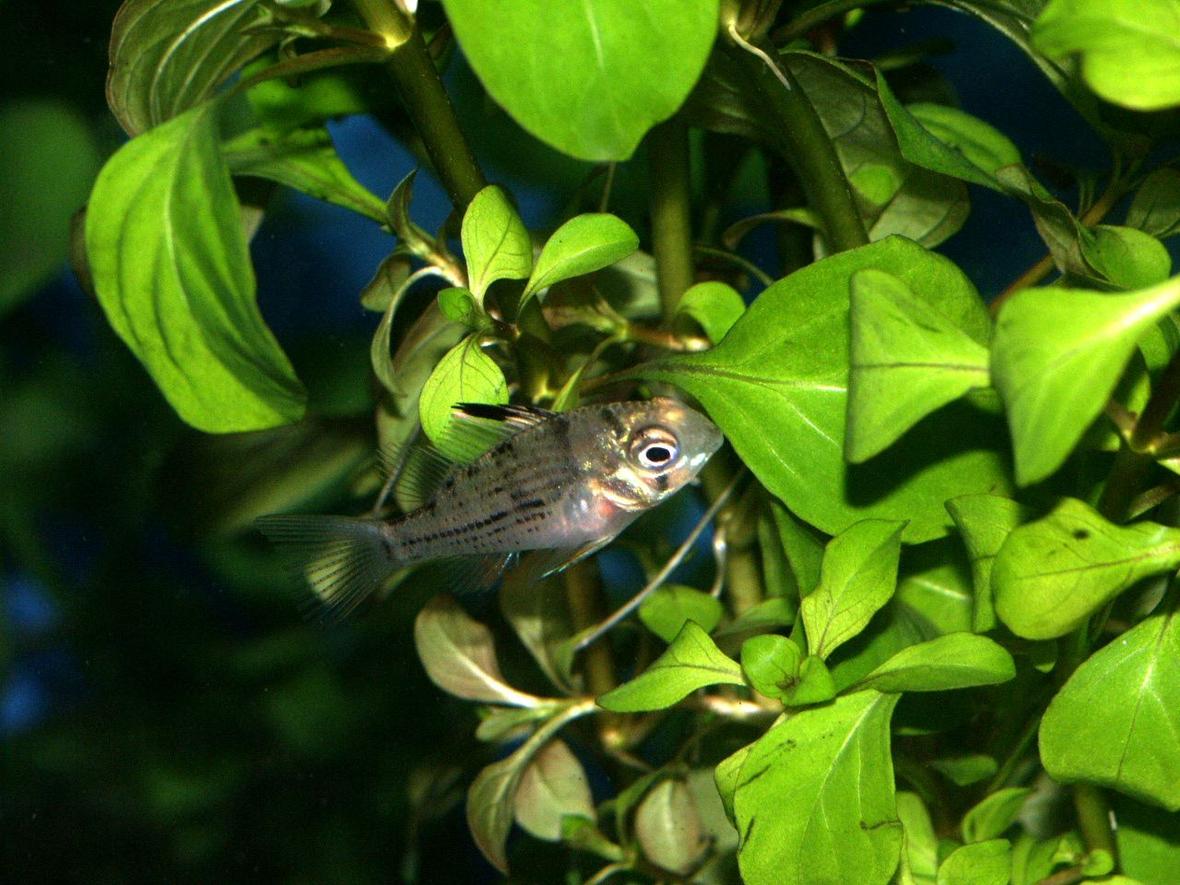
30 Community Tank: 2 Bolivian Rams, 2 African Dwarf Frogs, 2 Oto Cats, 4 Cory's, groups of Zebra Danios, Neon Tetras, Rummy Nose Tetras, and a Mystery Snail.
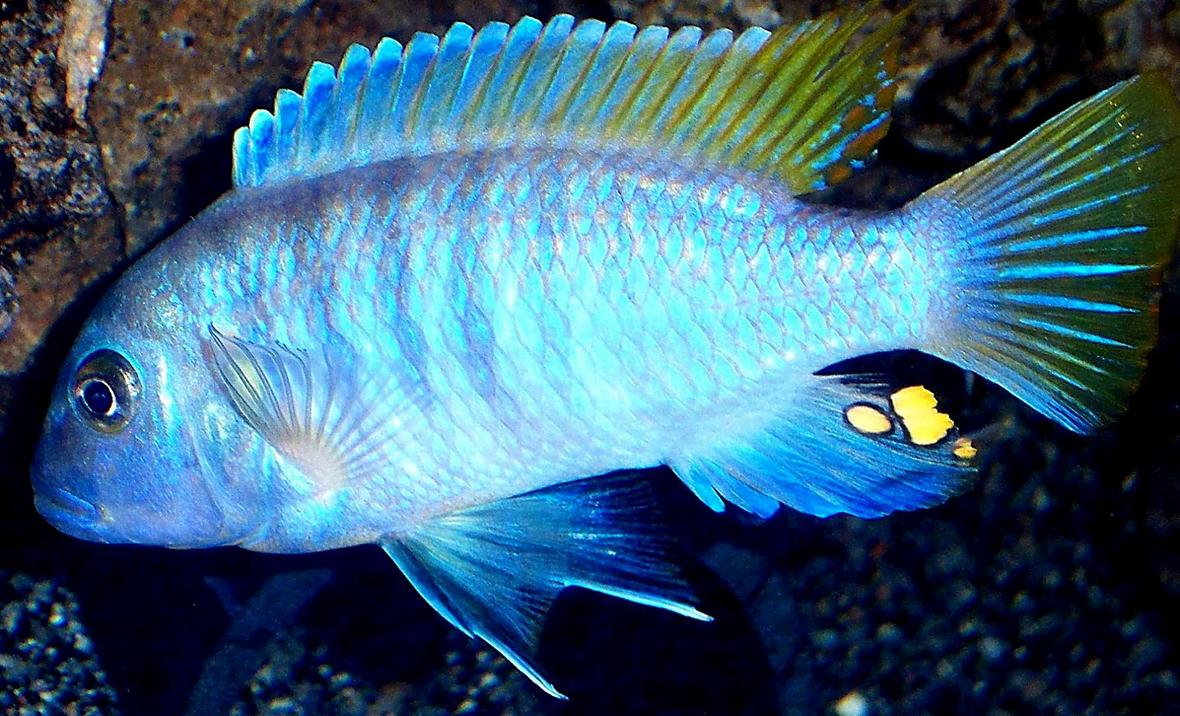
55 Gallon African Mbuna Tank.
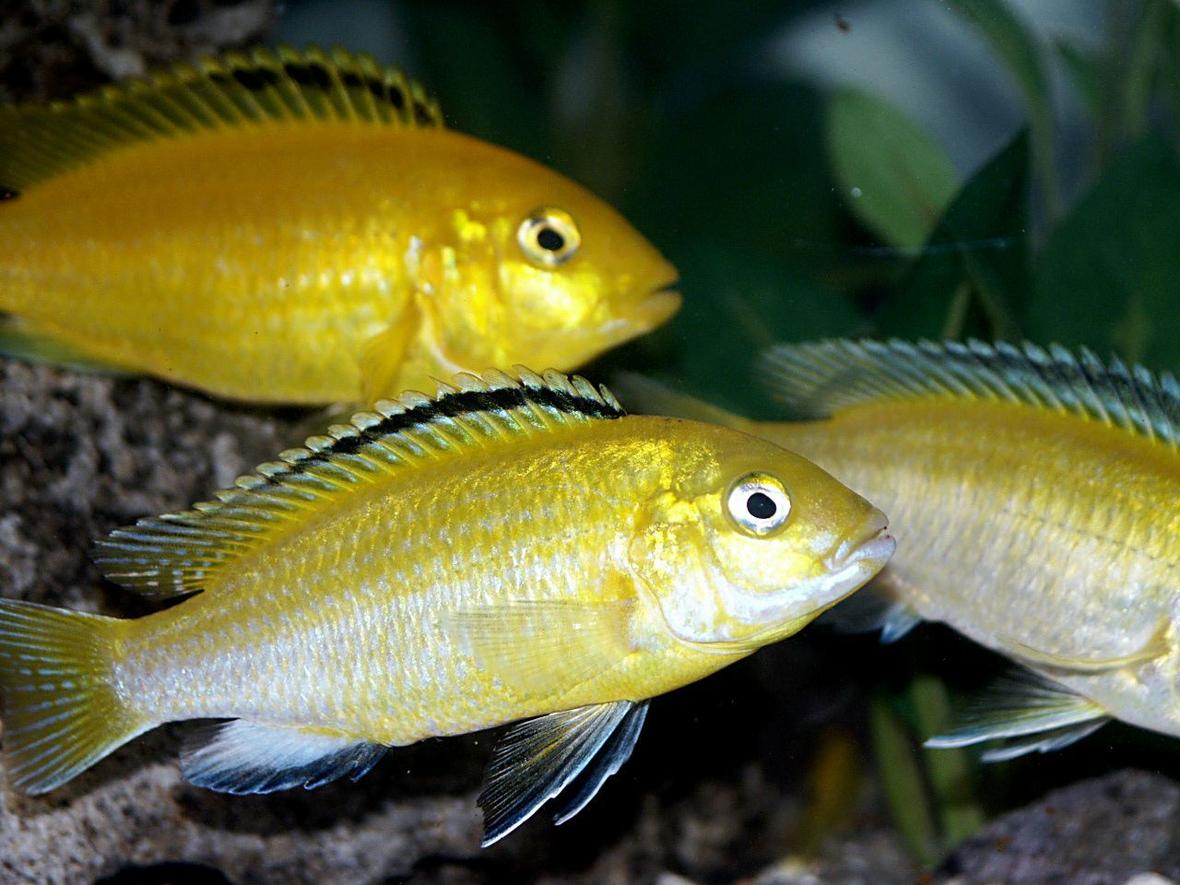
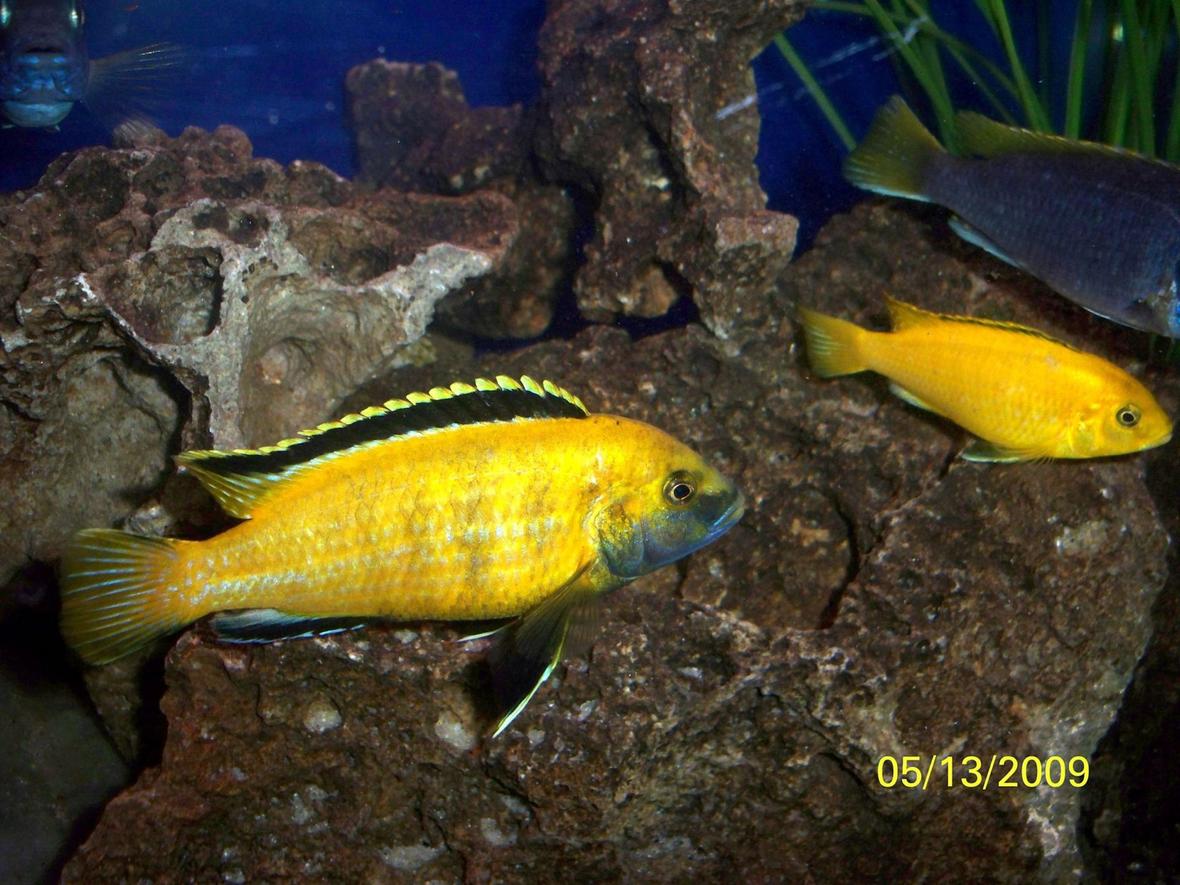
* 2m/2F Labidochromis caeruleus (Electric Yellow Labs)
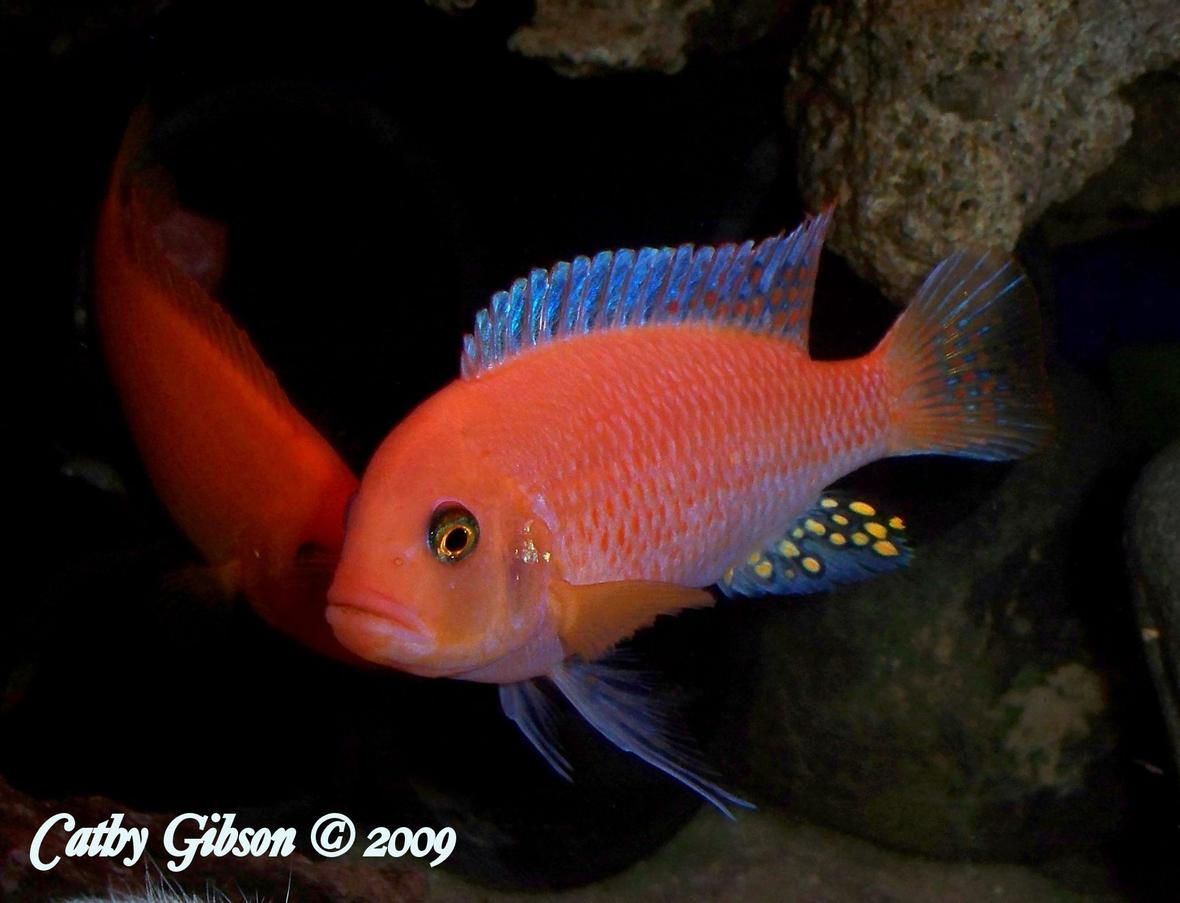
* 1m/4F Metriaclima estherae (Red Zebra)
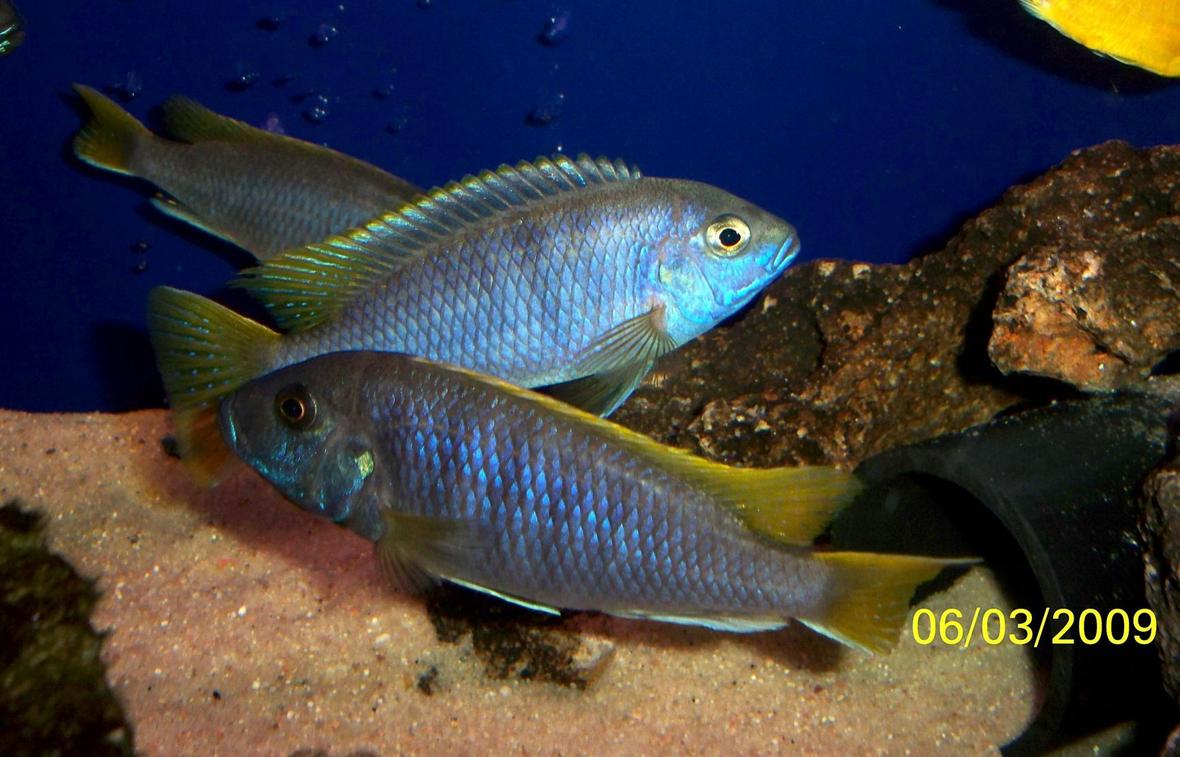
* 1M/4F Pseudotropheus sp. "Acei"
* 1M/3F Lab. Permutts
* 1M Labidochromis sp. "Hongi" (SRT)
**10 & 20 gallon tanks: Assorted fry from Bolivian Rams and African Mbunas.
Corals/Plants:
Amazon Swords, Melon Swords, Java Firms and Java Moss. Christmas Moss, Hornwort, Wisteria, Onion plant, and many others I cannot remember the names.
Tank Size:
55 gallons
Quote:
**Living in the past is the only prison that will prevent you from soaring into an abundant future**
About Yourself:
My son gave me a 20 gallon tank 2 years ago and that grew into a 55 gallon Lake Malawi Mbuna set-up, and a 30 gallon planted community set-up and 2 fry tanks. I really enjoy watching the interactions and parenting behaviors of my fish.
MOST RECENT ARTICLES

Nuisance algae is an inevitable challenge in any freshwater aquarium, but few things drain the joy of fishkeeping like an unexpected outbreak.

Every aquarium hobbyist, whether a complete beginner establishing a first desktop display or an experienced aquascaper managing a heavily planted setup, eventually comes face-to-face with an unsightly algae bloom.

Every aquarium keeper eventually battles the dreaded nitrate buildup, relying on endless water changes, gravel vacuuming, and heavy filter maintenance to keep water parameters safe for their fish.
COMMENTS