


Rank Info
This picture looks better than 10.61% of pictures in this category
The Average Score for this picture is: 3.06
This picture has been rated : 53 times.
The Average Score for this category is: 4.72
More Info
State:
Connecticut
Country:
United States
Description:
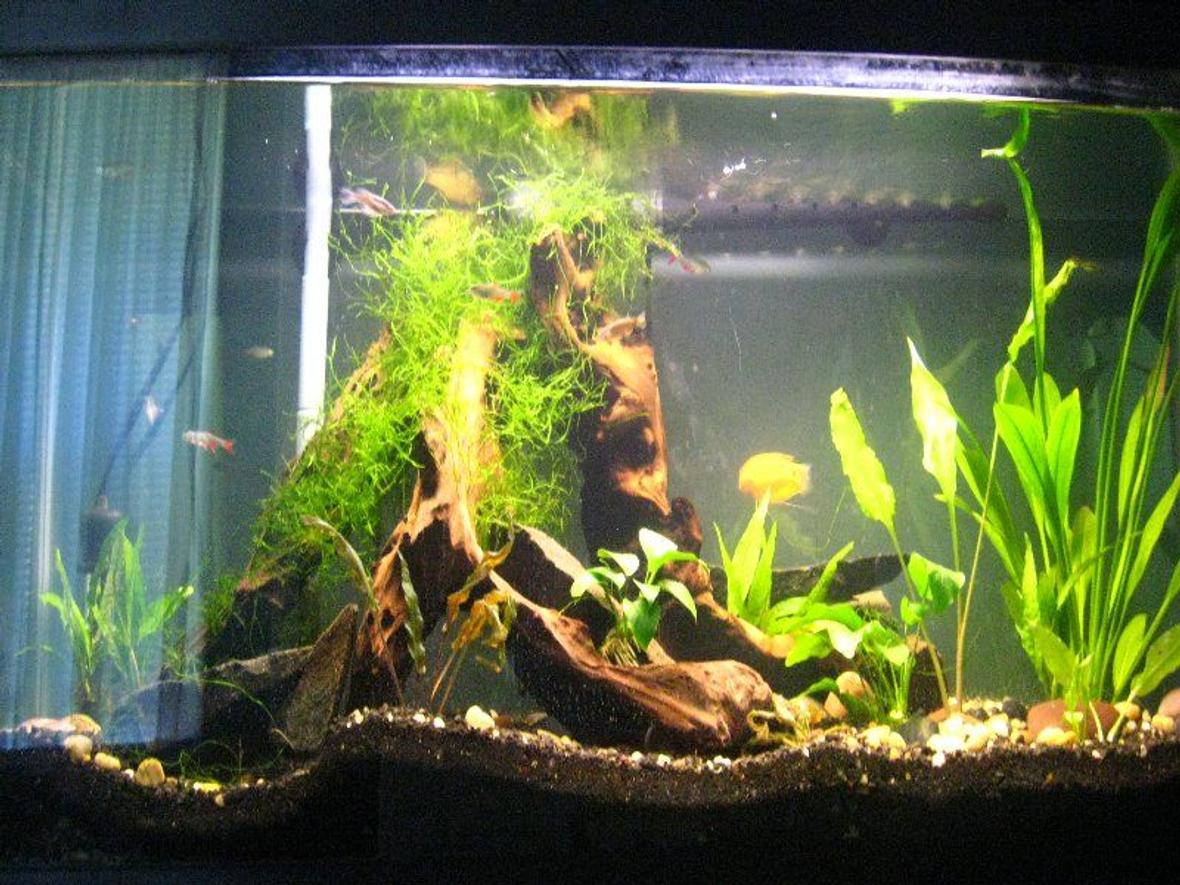
36x15x16, singel flo tube fixture, 200 aqueon HOB filter, tetra 100 watt sub heater
Advice:
patence even when u wanna run headon into it, just because the fish isnt the most brilliantly colored dosent mean its not going to be the best fish you ever had
Fish Kept:
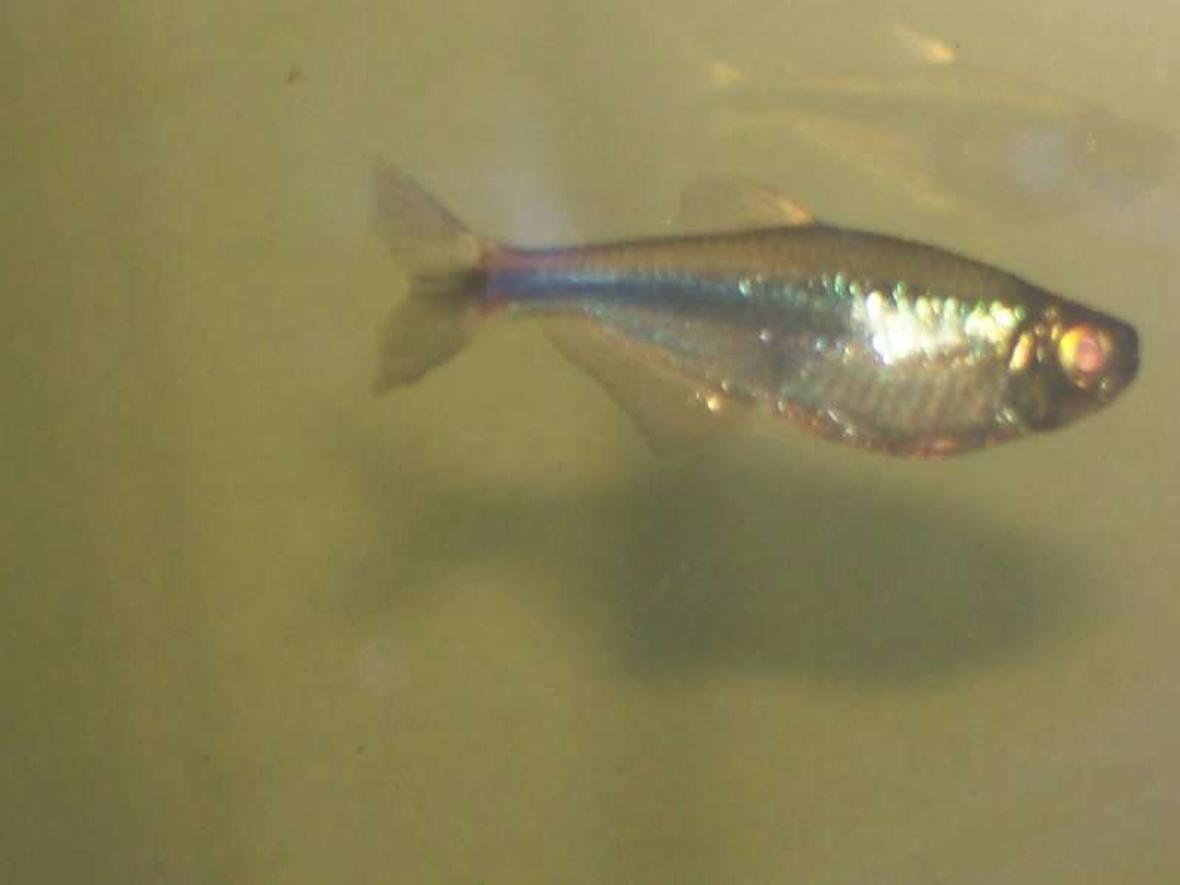
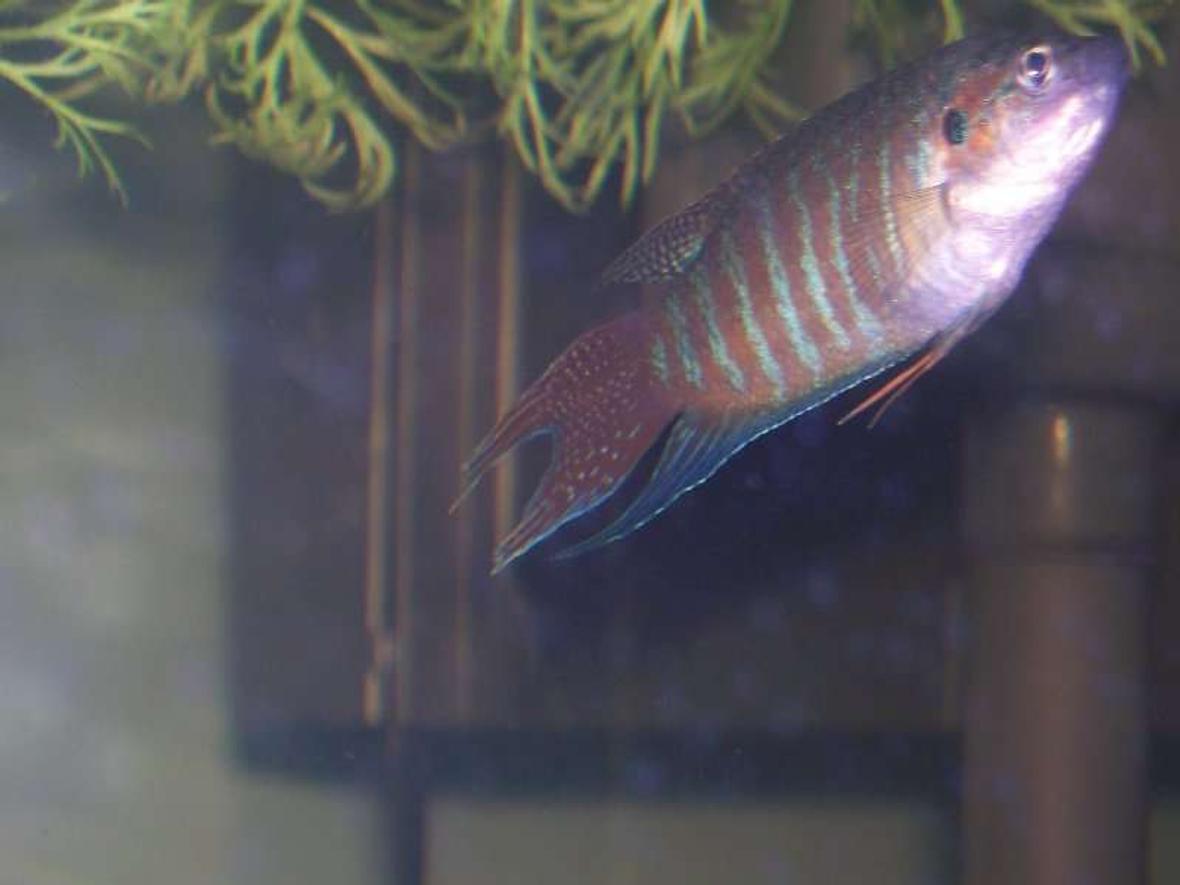
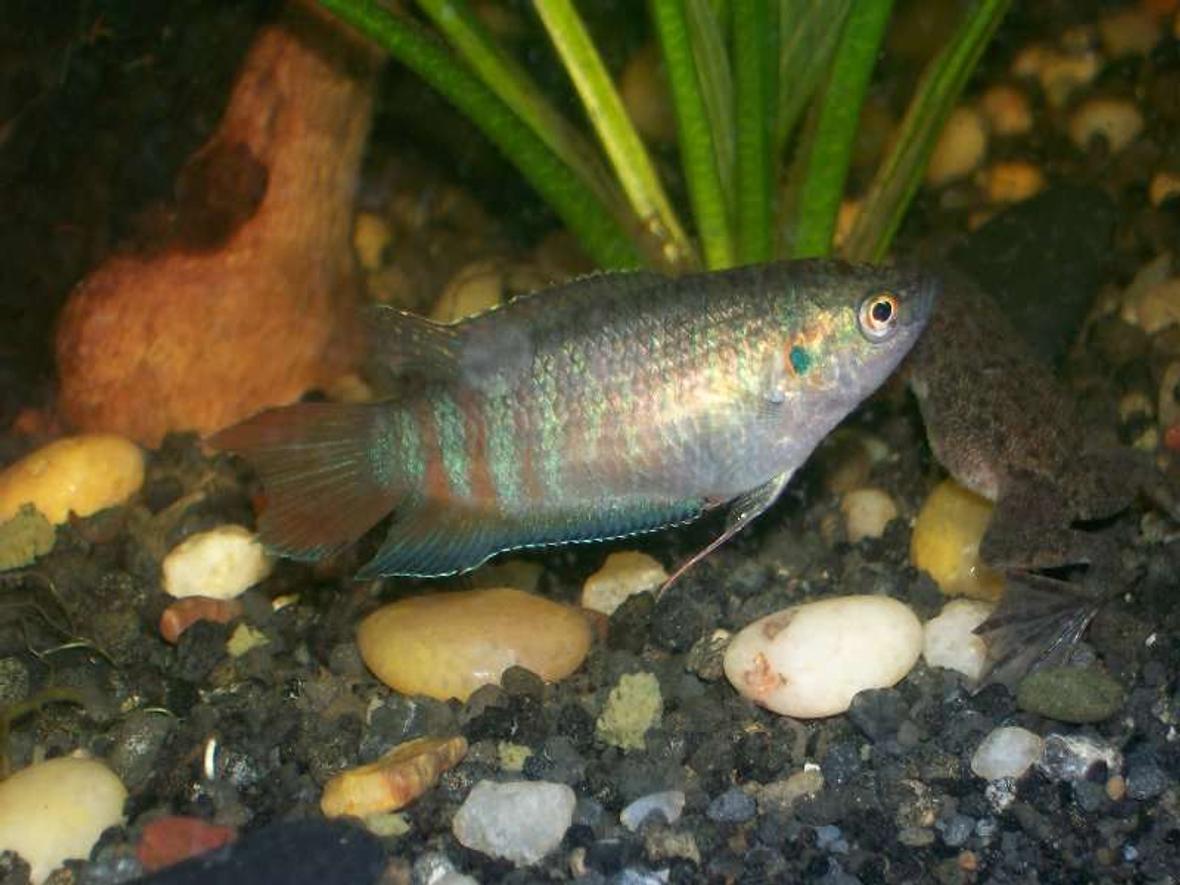
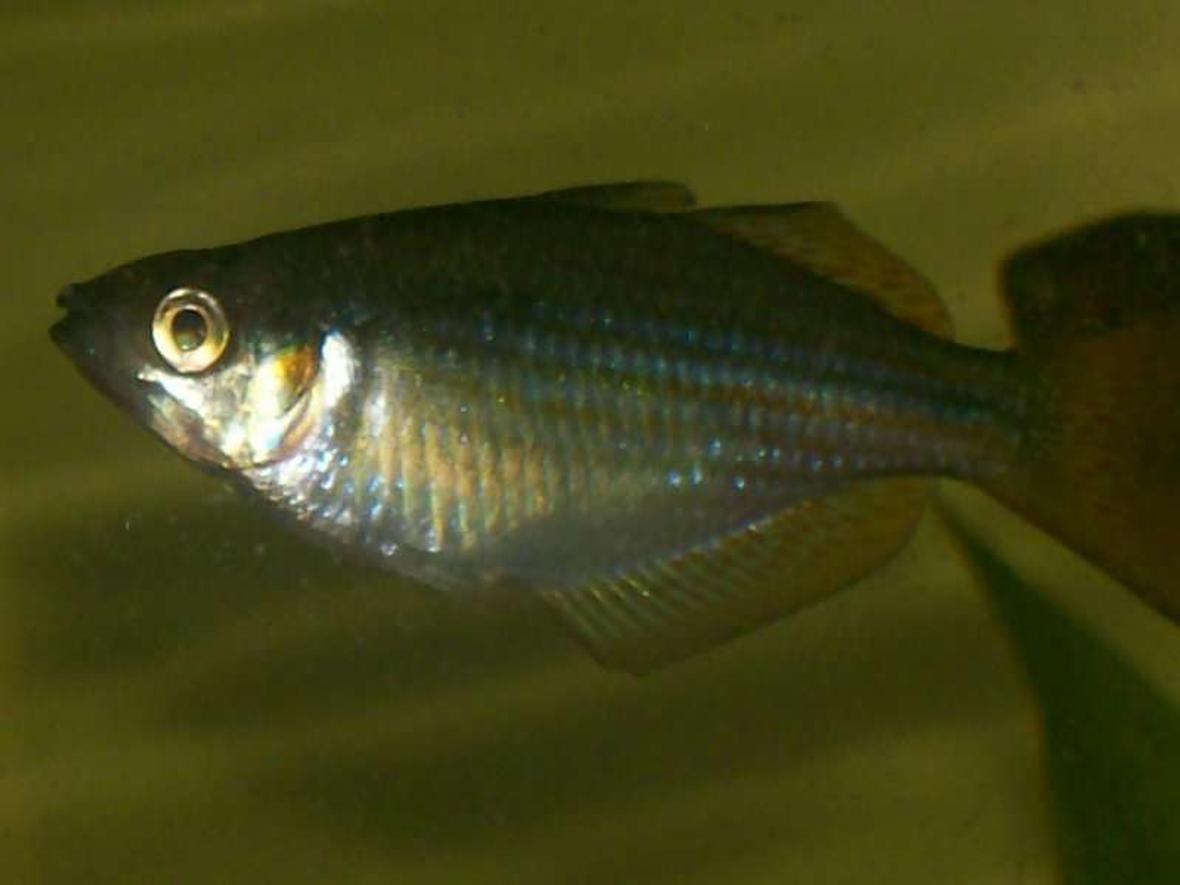
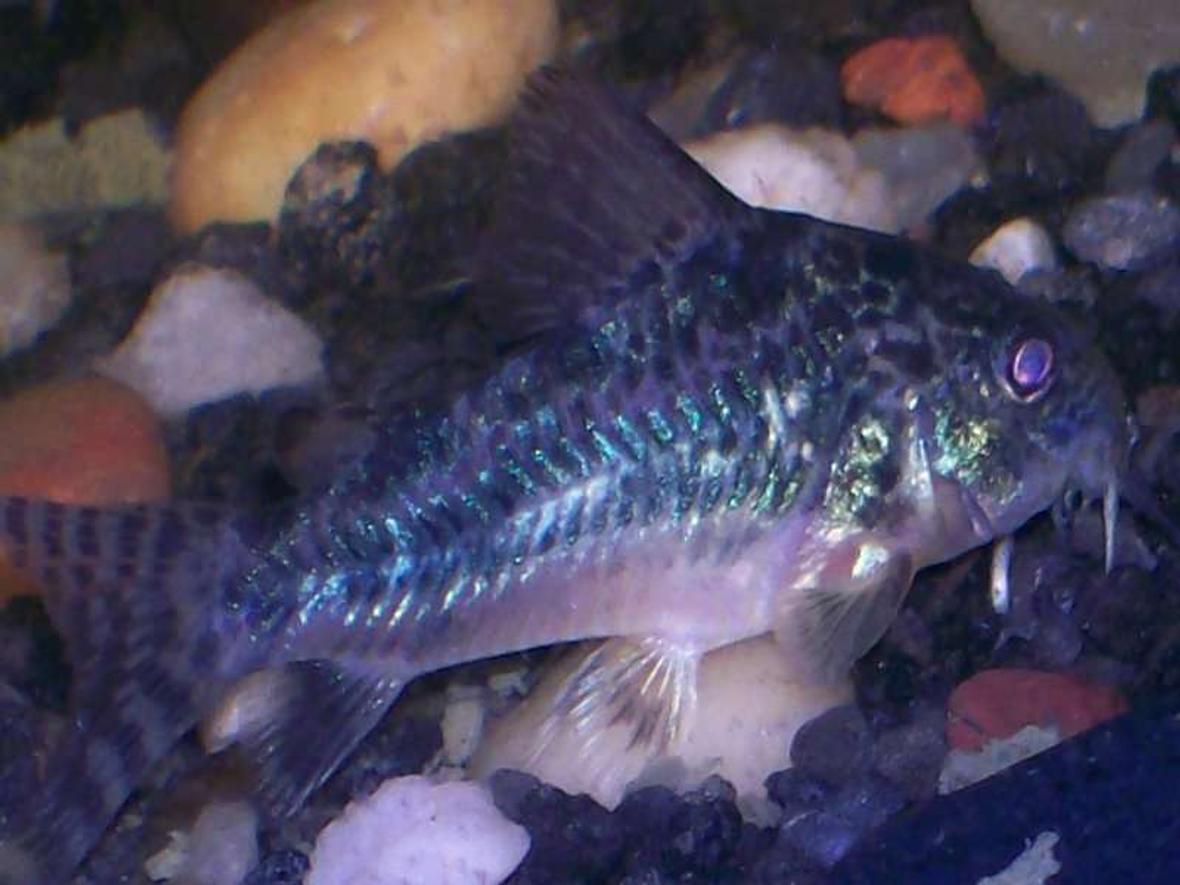
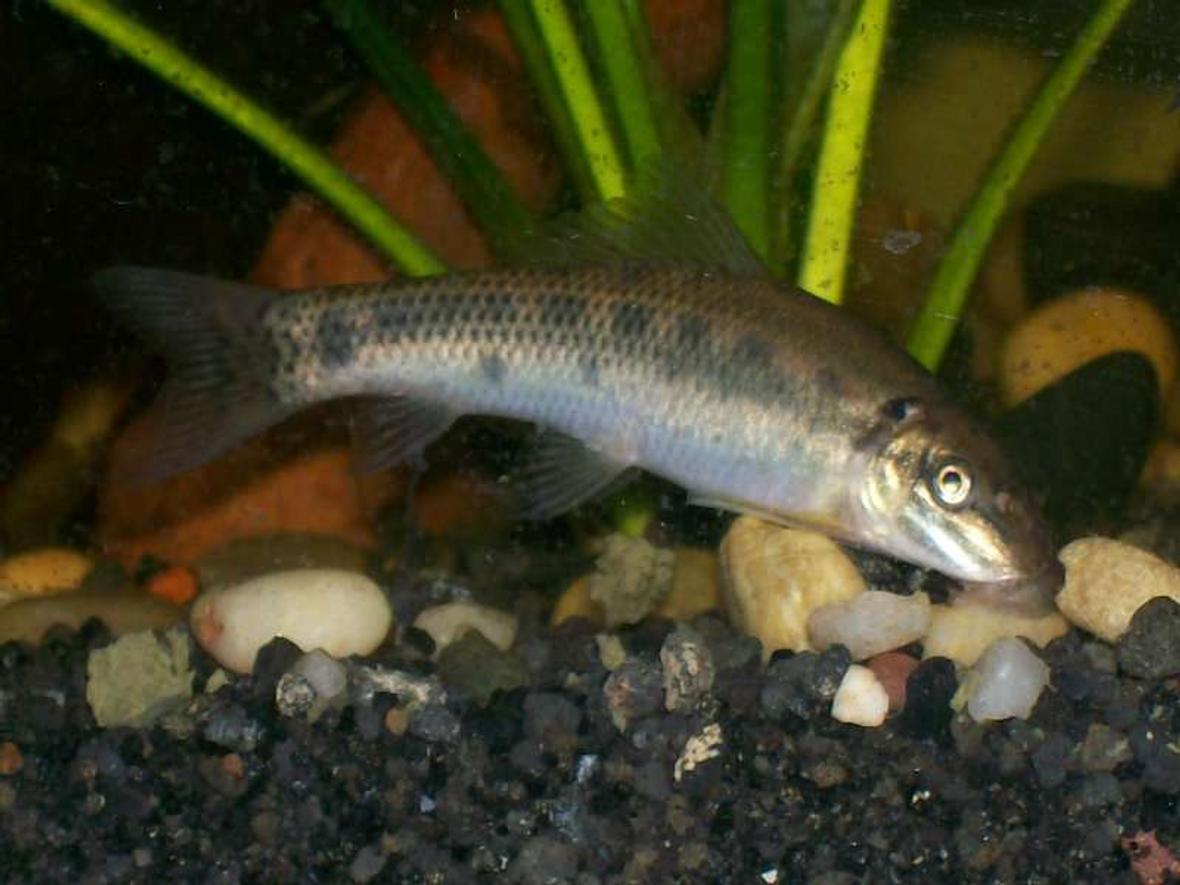
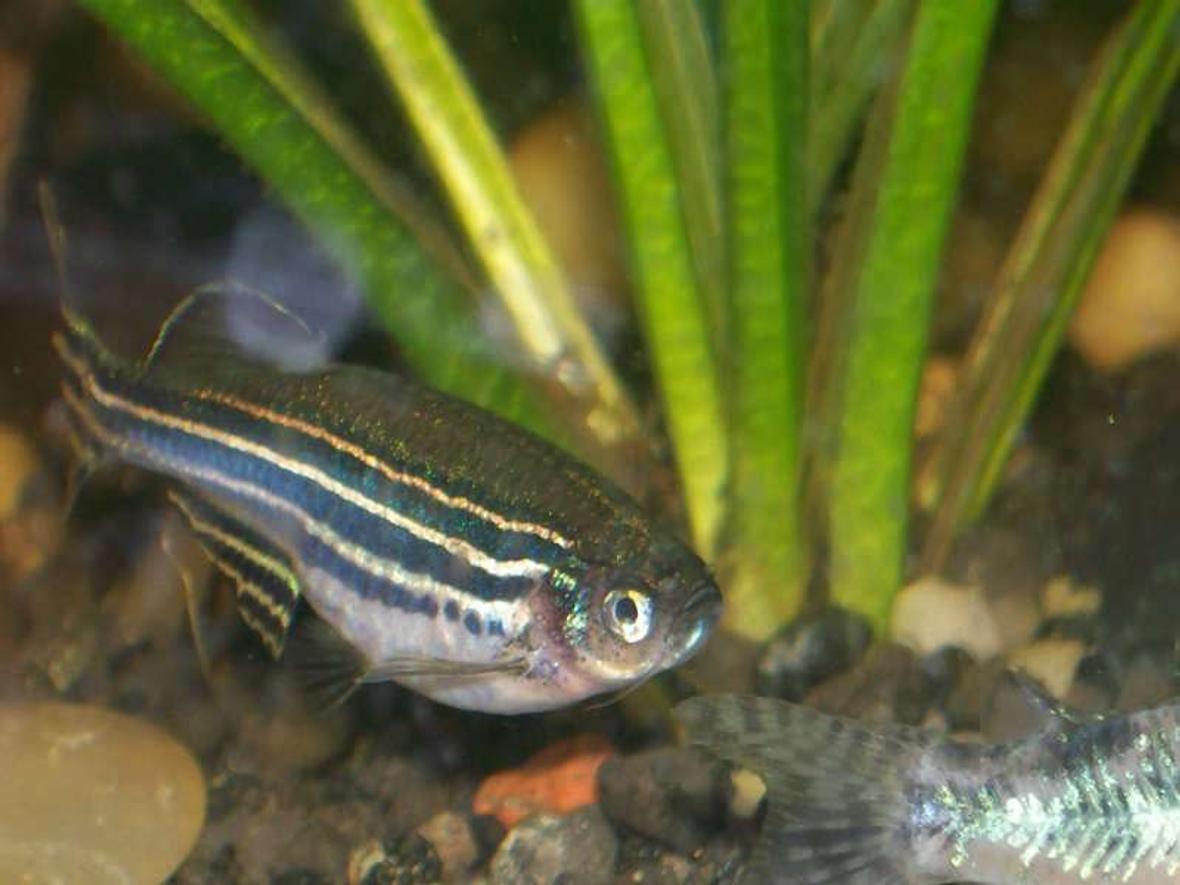
3 banded rainbows, 2 conchu's blue tetras, 6 zebra Danios, 2 peppered corys, 1 dwarf cory, 2 chinese alge eaters, 1 african dwarf frog, and a pair of blue paradise fish m&f
Corals/Plants:
amazon swords,Cryptocoryne wendtii "Brown",
Tank Size:
30 gallons
Quote:
"how hard u hit u broke my thunder"
About Yourself:
im young and already totally enveloped in this hobby i first started off with a 2.5 gallon then to a 10 now a 30 planted which is my first planted tank
MOST RECENT ARTICLES

Nuisance algae is an inevitable challenge in any freshwater aquarium, but few things drain the joy of fishkeeping like an unexpected outbreak.

Every aquarium hobbyist, whether a complete beginner establishing a first desktop display or an experienced aquascaper managing a heavily planted setup, eventually comes face-to-face with an unsightly algae bloom.

Every aquarium keeper eventually battles the dreaded nitrate buildup, relying on endless water changes, gravel vacuuming, and heavy filter maintenance to keep water parameters safe for their fish.
COMMENTS