


Rank Info
This picture looks better than 39.4% of pictures in this category
The Average Score for this picture is: 4.88
This picture has been rated : 192 times.
The Average Score for this category is: 4.92
More Info
Country:
Australia
Description:
4 feet by 20 inch by 18 high
2 x super white 10k 2 foot
2 x actinic blue
1 x 150 halide
large established refugium with seperate lighting.UV sterilizer
Advice:
be patient a pre established Refugium Has always worked for me Dont be afraid to ask even if you think Your being a pest
Fish Kept:
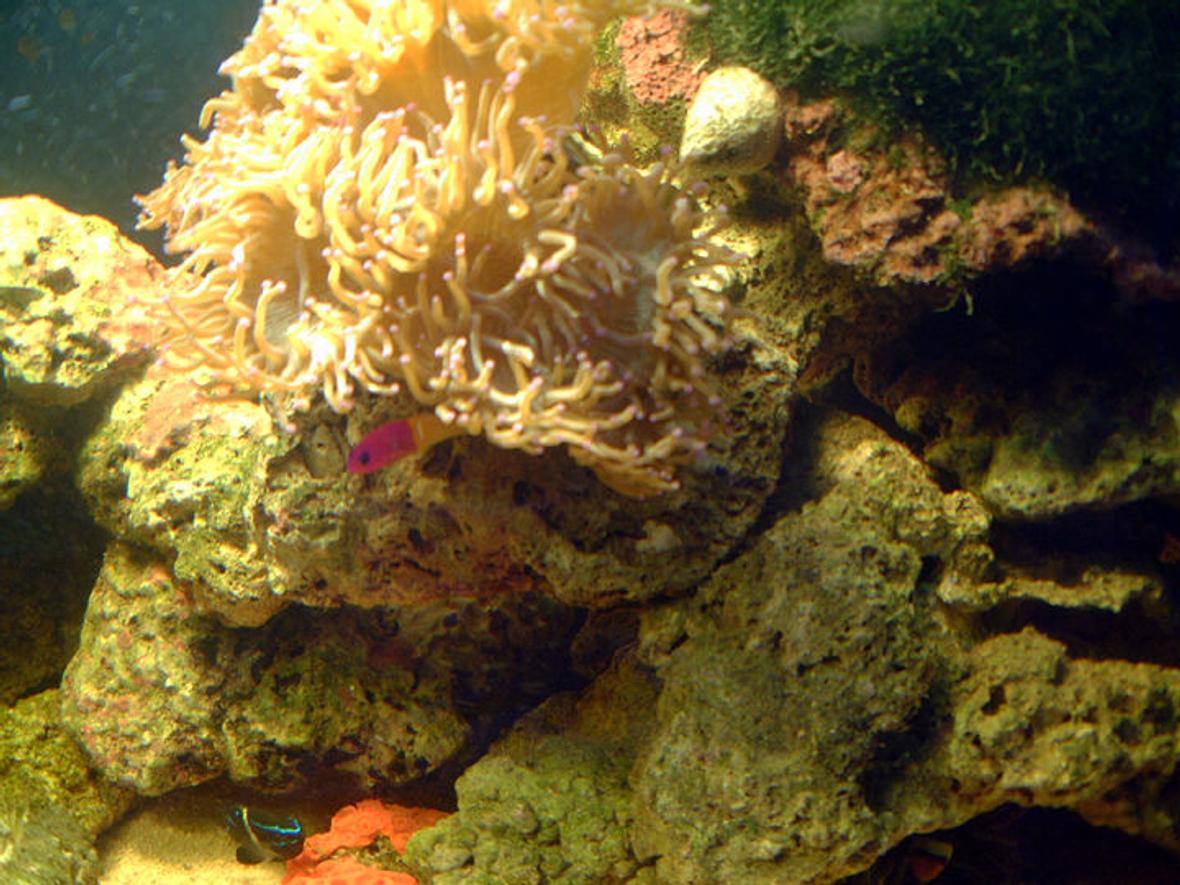
1x empire angel, 2 x clown anenomy (nemo) from Cairns Aust, 1x majestic angel, 1x 3 spot damsel, 1x coral banded shrimp, 1x neon devil, 1x blue star, 2x small green star, 1x Manderin 1x bicoulor blenny. 1x rainbow wrasse,6 x snails.
Corals/Plants:
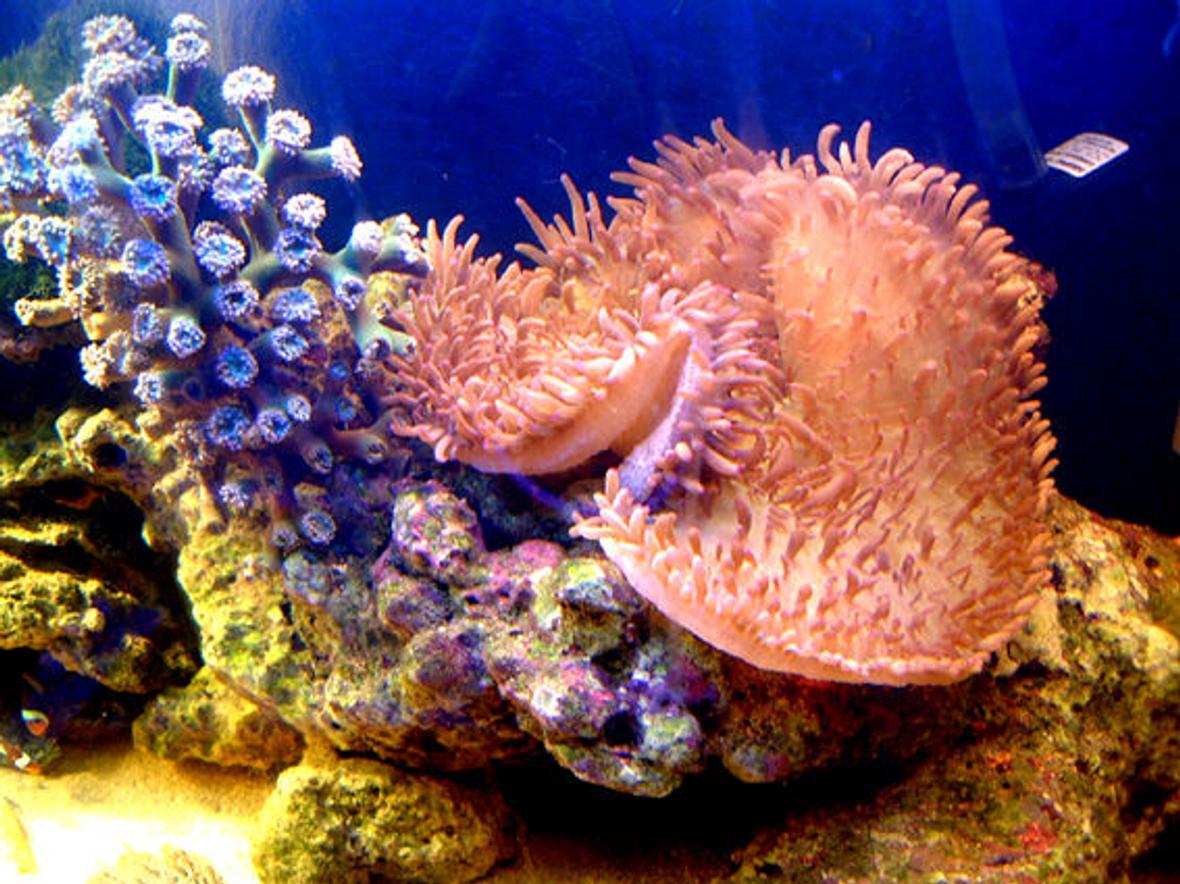
2x bubble anemony, 1x elegance, 1x daisy fingers, 1x leather, 2 x Flouro cushions 1x orange thing from cairns 1x halia fungus.lots of cairns shells
Tank Size:
75 gallons
Quote:
im addicted allways had fish, ate fish, caught fish, bred fish.
About Yourself:
love fish & Music & fast cars & Bikes etc
MOST RECENT ARTICLES

Nuisance algae is an inevitable challenge in any freshwater aquarium, but few things drain the joy of fishkeeping like an unexpected outbreak.

Every aquarium hobbyist, whether a complete beginner establishing a first desktop display or an experienced aquascaper managing a heavily planted setup, eventually comes face-to-face with an unsightly algae bloom.

Every aquarium keeper eventually battles the dreaded nitrate buildup, relying on endless water changes, gravel vacuuming, and heavy filter maintenance to keep water parameters safe for their fish.
COMMENTS