SALTWATER VERSUS FRESHWATER AQUARIUMS

The Financial Reality: Initial Setup and Long-Term Expenses
One of the most immediate points of contrast between these two styles of fishkeeping is the impact on your wallet. Generally speaking, setting up a saltwater aquarium requires a significantly higher upfront investment than a comparable freshwater system. A standard 29-gallon freshwater tank can be running beautifully with a basic hang-on-back filter, a heater, substrate, and some hardy plants for a relatively modest cost.
Marine environments demand specialized equipment to replicate ocean conditions. In addition to a sturdier tank and basic filtration, you will need a reliable protein skimmer to extract organic waste before it breaks down into harmful toxins. High-intensity lighting is mandatory if you plan to keep live corals, and you must invest in high-quality marine salt mixes, a hydrometer or refractometer to measure salinity, and live rock to serve as your biological foundation. When planning your budget, it is critical to look beyond the initial purchase price and thoroughly map out the gear you will need before pouring a single drop of water. If you want a deep dive into choosing the right aquarium equipment while keeping your expenses in check, check out our guide on getting your tank ready to maximize your investment without sacrificing the health of your fish.
Livestock Costs
- Freshwater fish like Neon Tetras or Guppies often cost just a few dollars each. Conversely, even entry-level marine species like Ocellaris Clownfish or Firefish can range from twenty to over fifty dollars per fish.
Utility Bills
- Saltwater systems often use higher-wattage lighting and additional powerheads for water circulation, which can noticeably increase your monthly electricity bill compared to a low-tech freshwater setup.
Maintenance and Water Chemistry: The Daily and Weekly Grind
The saying "dilution is the solution to pollution" applies to both environments, but water chemistry in a saltwater tank is inherently more fragile and complex. In a freshwater aquarium, your primary focus is managing the nitrogen cycle—keeping ammonia and nitrites at zero while controlling nitrates through routine water changes. If your tap water is safe and conditioned, maintenance is often as simple as a weekly 20% water change and a quick gravel vacuuming.
Saltwater chemistry adds several layers of responsibility. Not only must you manage the standard nitrogen cycle, but you also have to maintain a rock-solid salinity level. As water evaporates from a marine tank, the salt stays behind, causing the salinity of the remaining water to rise rapidly. To combat this, hobbyists must perform daily "top-offs" using pure, deionized or reverse osmosis (RO/DI) water—never tap water, which contains minerals that trigger massive algae blooms.
For intermediate keepers transitioning to coral reefs, tracking calcium, alkalinity, and magnesium levels becomes a weekly ritual. Corals deplete these minerals to build their skeletons, requiring precise dosing to keep the ecosystem thriving. While freshwater aquariums are much more forgiving of minor neglect, a saltwater tank demands strict consistency to avoid catastrophic crashes.
Fish Selection: Vibrant Diversity vs. Forgiving Hardiness
The visual appeal of the livestock is often what draws people to one side of the hobby over the other. Marine ecosystems are famous for their neon, iridescent coloration and fascinating behaviors. However, freshwater species have evolved incredible diversity and offer unique advantages for keepers of all experience levels.
If you choose a freshwater path, you have access to remarkably resilient species that can tolerate minor beginner mistakes in water chemistry. African Cichlids provide a burst of color that rivals marine fish, while community favorites allow you to mix shapes, sizes, and behaviors in a peaceful setting.
Great freshwater species for beginners and intermediates include:
- Zebra Danios: Virtually bulletproof fish that tolerate fluctuating water parameters and keep the top of the tank active.
- Angelfish: A stunning choice for intermediate keepers with larger tanks, offering elegant movement and parental breeding behaviors.
- Cherry Shrimp: Excellent invertebrates for small nano tanks that help control algae while adding a pop of bright red color.
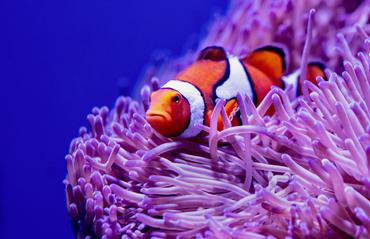
If the call of the ocean is too loud to ignore, the marine world offers unmatched complexity. Saltwater fish often display intricate symbiotic relationships, such as clownfish hosting in anemones or watchman gobies pairing up with pistol shrimps to share a burrow.
Excellent saltwater species for beginners and intermediates include:
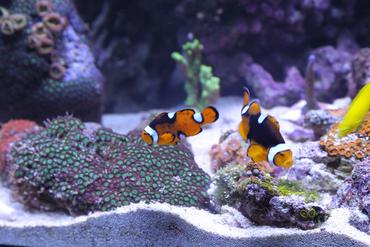
- Ocellaris Clownfish: Incredibly hardy, captive-bred marine fish that adapt beautifully to aquarium life.
- Royal Gramma: A striking purple-and-yellow fish that loves exploring rockwork and stays relatively small.
- Coral Beauty Angelfish: A gorgeous, deep-blue dwarf angel well-suited for intermediate hobbyists with well-established tanks.
Compatibility and Care Considerations: Avoiding System Crashes
One of the most common beginner mistakes in both freshwater and saltwater hobbies is failing to research compatibility before introduction. You cannot simply mix fish based on appearance; you must consider territoriality, adult sizes, dietary needs, and environmental preferences. For an in-depth breakdown of how to build a peaceful ecosystem and prevent territory wars, read our expert advice on basics of freshwater fish compatibility before heading to your local fish store.
In freshwater tanks, compatibility issues often stem from aggression or size mismatches. For example, keeping aggressive Tiger Barbs with slow-moving, long-finned Guppies or Bettas will result in nipped fins and high stress. Similarly, predatory fish like the Oscar will quickly turn smaller tankmates like Neon Tetras into an expensive snack.
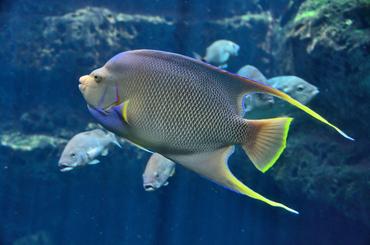
In saltwater tanks, compatibility gets even trickier because you must account for "reef safety." Many beautiful marine fish, such as certain Butterflyfish or large Angelfish, naturally eat coral polyps or invertebrates. If you intend to build a reef tank with live corals, you must strictly source reef-safe fish. Furthermore, marine fish are notoriously territorial. Because space on a natural ocean reef is fiercely defended, adding two similar marine species—like two different species of Tangs—to a modest-sized home aquarium often results in relentless fighting.
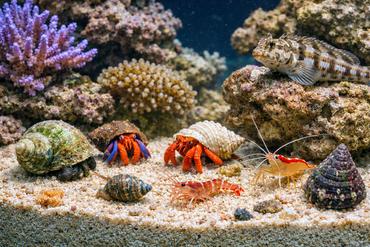
Care considerations also extend to how you stock your tank. A saltwater environment requires a dedicated "Clean-Up Crew" (CUC) consisting of specialized snails and hermit crabs to consume algae and detritus. Managing this tiny cleanup army is a unique husbandry skill required for success in marine keeping, whereas freshwater keepers often rely on simple manual scraping and a few hardy catfish.
Aquascape Architecture: Live Plants vs. Living Reefs
The backdrop of your aquarium shapes its entire aesthetic. In the freshwater world, the pinnacle of the hobby is the high-tech planted tank. Utilizing live aquatic plants creates a self-sustaining ecosystem where the vegetation absorbs harmful nitrates produced by the fish, resulting in crystal-clear water and a tranquil, natural environment. If you want to transform your tank into a lush green paradise, review our comprehensive step-by-step guide for setting up a planted tank. Growing a lush carpet of freshwater flora requires a solid understanding of nutrition, substrate choices, and sometimes carbon dioxide (CO2) injection.
Saltwater aquascaping flips this dynamic completely. Instead of true plants, your canvas consists of live rock—porous, ancient coral skeletons colonized by billions of beneficial nitrifying bacteria. On top of this rockwork, intermediate hobbyists can introduce corals. Managing a reef tank shifts your primary focus from fish care to coral care. Corals are actually colonies of tiny living animals that rely on a symbiotic relationship with photosynthetic algae living inside their tissues. Providing the exact balance of intense lighting, turbulent water flow, and trace elements is an art form that makes marine reef keeping uniquely addictive.
Making the Right Choice for Your Home
Ultimately, neither style is objectively better than the other; they simply satisfy different goals, budgets, and lifestyles. Freshwater aquariums excel at providing a relaxing, forgiving, and cost-effective entry point into the hobby. They allow you to learn the fundamentals of the nitrogen cycle and fish health without the added pressure of complex water chemistry or expensive equipment upgrades.
Saltwater aquariums demand a higher degree of discipline, patience, and financial investment, but they reward you with unparalleled visual brilliance, fascinating invertebrate life, and the thrill of maintaining a living piece of the ocean reef in your living room.
If you are short on time and want a low-stress escape, go freshwater. If you love technical details, chemistry tracking, and want a showstopping centerpiece that challenges your skills, take the plunge into saltwater.
Your Next Steps in the Aquarium Hobby
Choosing between freshwater and saltwater is just the first step of an incredible adventure. Regardless of the path you select, success relies on taking your time, researching every species thoroughly, and letting your tank cycle completely before adding livestock. The global community of fishkeepers is vast, and there is always something new to discover about these captivating underwater ecosystems.
We want to help you succeed every step of the way. Take a moment to browse our extensive library of care sheets, equipment reviews, and troubleshooting guides tailored to keep your aquatic companions thriving. Dive into our community galleries, read up on advanced filtration techniques, and leave a comment below to let us know which type of tank you are planning to build next!

MOST RECENT ARTICLES