HOW TO MODIFY PH IN A SALTWATER TANK

Understanding Saltwater pH and Why It Fluctuates
In a marine aquarium, pH measures the hydrogen ion concentration, indicating how acidic or basic the water is on a scale from 0 to 14. Natural seawater maintains a remarkably stable pH of approximately 8.1 to 8.3. In a closed home aquarium, maintaining this equilibrium is challenging because natural buffering systems are limited by water volume and biological load.
The primary driver of pH fluctuations in a saltwater aquarium is carbon dioxide (CO2). When CO2 dissolves in water, it forms carbonic acid, which lowers pH. During daylight hours, corals and macroalgae consume CO2 through photosynthesis, causing pH to rise naturally. At night, photosynthesis stops, but respiration by fish, corals, invertebrates, and bacteria continues, releasing CO2 back into the water column. This biological cycle results in a natural daily pH swing, typically dropping by 0.1 to 0.3 units overnight and peaking in the late afternoon.
Another crucial factor is alkalinity, often measured as carbonate hardness (dKH). Alkalinity acts as a chemical buffer, absorbing hydrogen ions and preventing severe pH drops. If your alkalinity is too low (below 7 dKH), your water loses its buffering capacity, leaving your tank vulnerable to rapid, dangerous pH crashes. Conversely, high alkalinity (above 11 dKH) elevates pH but can cause precipitation of calcium carbonate if calcium levels are not properly balanced. Before attempting to adjust pH, aquarists must review their overall water chemistry by exploring what you need to know about pH in marine aquariums to avoid treating symptoms rather than root causes.
Environmental factors in your home also play a massive role in aquarium pH. Modern energy-efficient homes are tightly sealed, trapping elevated levels of indoor CO2 generated by human and pet respiration. When ambient room air contains high levels of CO2, the gas dissolves into the aquarium water across the air-water interface, suppressing pH even if your alkalinity reading is sitting at an ideal 8.5 to 9.0 dKH.
Safe and Effective Methods to Raise pH in Your Saltwater Tank
If your aquarium consistently sits below 8.0 pH, taking deliberate steps to raise it will improve coral growth, enhance fish coloration, and reduce nuisance algae outbreaks. However, chemical additions should always be a secondary choice behind physical and environmental corrections.
The most natural and effective way to elevate low pH is by maximizing gas exchange and reducing CO2 concentrations in the water. Increasing surface agitation using well-positioned powerheads forces dissolved CO2 to vent out of the aquarium and into the room. A high-performance protein skimmer is particularly effective at this, as it continuously mixes millions of tiny air bubbles with water, facilitating aggressive gas exchange.
If indoor ambient CO2 is the primary culprit, drawing fresh outside air into your skimmer is a game-changer. By connecting an airline tubing extension from your protein skimmer's air intake directly to a nearby window or exterior wall vent, your skimmer pulls in outdoor air with low CO2 levels, rapidly driving off excess carbonic acid from the water. Alternatively, installing a CO2 scrubber filled with soda lime media directly to the skimmer air intake will strip carbon dioxide before it enters the water column, often boosting pH by 0.2 to 0.4 units within 24 to 48 hours.
For systems with heavy coral demand, using Calcium Hydroxide (commonly known as Kalkwasser) in auto-top-off (ATO) water is one of the most reliable dosing methods available. Kalkwasser has an extremely high pH of roughly 12.4. As it replaces evaporated water, it consumes dissolved CO2 in the aquarium to form bicarbonate ions, effectively raising both pH and alkalinity simultaneously. Because Kalkwasser is potent, it must be added slowly, ideally via a slow drip or precise dosing pump during nighttime hours when natural pH dips occur.
How to Lower High pH Safely
While low pH is far more common in home marine aquariums, elevated pH levels exceeding 8.5 occasionally occur. High pH is almost always the result of human error—typically over-dosing alkaline buffers, miscalculating Kalkwasser additions, or using improperly mixed synthetic sea salt mixes.
When pH rises above 8.5, calcium carbonate begins to precipitate out of solution, forming a white crust on heaters, glass, and pump impellers. More importantly, elevated pH increases the toxicity of any trace ammonia present in the system, putting livestock at immediate risk of respiratory distress and gill damage.
If you discover an abnormally high pH level, follow these structured steps to correct the parameter safely:
- Identify and stop dosing: Immediately turn off all automated dosing equipment, Kalkwasser reactors, and manual buffer additives until parameters normalize.
- Perform a partial water change: Execute a 15% to 20% water change using a high-quality salt mix that has been pre-mixed and fully aerated for 24 hours. Ensure the new water matches your tank's salinity and temperature.
- Increase aeration: Ensure powerheads and skimmers are operating at full capacity. Aeration encourages atmospheric CO2 to dissolve back into the water, naturally pulling high pH back down toward baseline equilibrium.
- Dose organic acids cautiously: In emergency situations where pH exceeds 8.6, small doses of plain white distilled vinegar (5% acetic acid) can be administered at a rate of 1 mL per 10 gallons of system water to lower pH safely without causing shock.
Species-Specific Compatibility and Care Considerations
Different marine organisms possess varying degrees of tolerance to pH shifts. Understanding how specific species react to pH instability allows aquarists to tailor their maintenance routines while protecting sensitive tank inhabitants. When setting up or managing a reef ecosystem, reviewing general saltwater aquarium setup guides helps ensure that your filtration and stocking density match your target water quality goals.
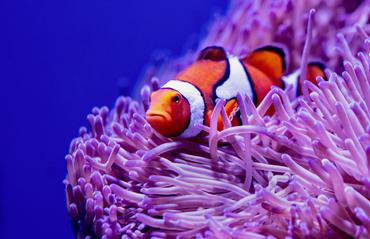
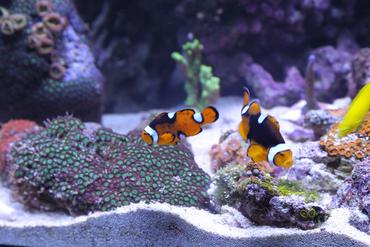
Hardy fish species are generally resilient to minor pH variations, provided changes occur gradually. For example, popular beginner species like the Ocellaris Clownfish (Amphiprion ocellaris) and Green Chromis (Chromis viridis) can tolerate pH ranges from 7.8 to 8.4 without showing immediate signs of physiological distress. Their robust cellular regulation mechanisms allow them to adapt to minor environmental shifts during routine water changes or seasonal room ventilation changes.
Conversely, active open-water swimmers and high-metabolism fish such as the Yellow Tang (Zebrasoma flavescens) and Royal Gramma (Gramma loreto) thrive best when pH remains strictly between 8.1 and 8.3. Low pH levels impair their oxygen-carrying efficiency in blood hemoglobin, leading to rapid breathing, reduced immune response, and heightened susceptibility to marine ich or velvet outbreaks.
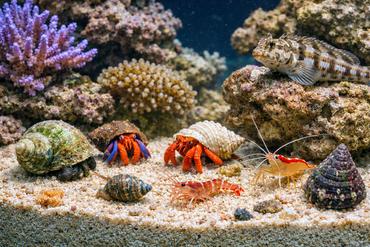
Invertebrates and stony corals represent the most vulnerable populations when pH drops below 8.0. Small polyp stony (SPS) corals, such as Acropora and Montipora species, rely on abundant carbonate ions to construct their calcium carbonate skeletons. When pH falls to 7.8, calcification rates drop dramatically, slowing growth and leading to tissue necrosis. Crustaceans such as Cleaner Shrimp (Lysmata amboinensis) and Pistol Shrimp (Alpheus spp.) rely on stable pH to properly harden their exoskeletons following a molt. In low pH environments, post-molt mortality rates among crustaceans increase significantly due to delayed shell hardening.
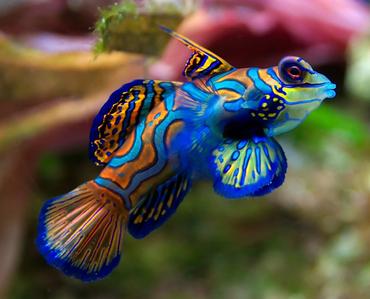
Extreme sensitivity is also seen in delicate benthic predators like the Mandarinfish (Synchiropus splendidus). These fish depend on dense populations of living copepods in established live rock. Low pH negatively impacts copepod reproduction and micro-fauna growth rates, indirectly threatening the Mandarinfish's food supply while stressing its mucus coat.
Common Beginner Mistakes to Avoid When Adjusting pH
Modifying water chemistry without a clear strategy often results in unstable conditions that harm livestock far more than a slightly off-target pH reading. Aquarists frequently fall into predictable traps when attempting to manage their saltwater tanks.
Here are four critical mistakes every marine aquarist should actively avoid:
- Chasing numbers over stability: Attempting to force an exact pH reading of 8.4 through continuous chemical dosing creates destructive roller-coaster fluctuations. A stable pH of 7.9 is far safer for livestock than a tank bouncing between 7.8 and 8.5 daily.
- Dosing pH buffers without testing alkalinity: Commercial "pH UP" powders are fundamentally sodium carbonate or sodium bicarbonate buffers. Adding them repeatedly will send your alkalinity skyrocketing to dangerous levels (above 12 dKH) while yielding only a temporary pH bump that drops back down hours later as CO2 redissolves.
- Overfeeding and accumulative waste: Overfeeding leads to excess uneaten food and detritus breakdown, which consumes dissolved oxygen and creates organic acids that push pH down. Practicing sound tips for feeding saltwater aquarium fish helps maintain nutrient control and reduces chemical demand.
- Relying on outdated or uncalibrated test kits: Liquid chemical test kits can be difficult to read accurately, and color strips are notoriously imprecise for saltwater applications. Digital pH pens or continuously monitoring probes must be calibrated regularly using 7.0 and 10.0 pH calibration fluids; otherwise, you risk fixing a problem that does not actually exist.
Key Takeaways for Maintaining Stable pH
Managing pH in a marine or reef aquarium requires a holistic approach that balances gas exchange, chemical buffering, and routine husbandry. Rather than reacting aggressively to momentary dips, focus on establishing long-term stability using natural methods first. Maximize surface movement, ensure adequate fresh air reaches your protein skimmer, maintain alkalinity between 8.0 and 10.0 dKH, and clean mechanical filtration media regularly to reduce organic waste accumulation.
When adjustments are necessary, implement changes slowly over several days to give your fish, invertebrates, and corals sufficient time to acclimate. By prioritizing stability over temporary target numbers, you will create a vibrant, resilient marine ecosystem where your aquatic life can thrive for years to come. Explore more in-depth guides and equipment reviews on RateMyFishTank.com to elevate your saltwater aquarium keeping skills today!


MOST RECENT ARTICLES