SETTING UP A SALTWATER TANK SYSTEM

Choosing Your System: Fish-Only vs. Reef-Ready
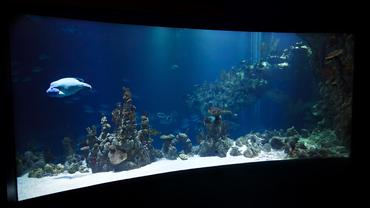
The first and most critical decision you must make is determining the type of saltwater system you want to maintain. There are generally three categories: Fish-Only (FO), Fish-Only with Live Rock (FOWLR), and Reef Tanks. For beginners, a FOWLR setup is highly recommended. It provides the visual appeal of marine life and the biological benefits of live rock without the intense lighting and demanding chemical requirements of corals. Live rock acts as a natural biological filter, housing the beneficial bacteria needed to process waste. If you eventually want to keep corals, starting with "reef-ready" equipment—like high-intensity LED lighting and a sump-based filtration system—will save you a significant amount of money in the long run.
Regardless of the path you choose, tank size matters. In the saltwater world, "bigger is better" because a larger volume of water dilutes toxins and buffers against temperature or salinity swings. A 40-gallon breeder or a 55-gallon tank is often considered the ideal entry point. While nano-tanks (under 20 gallons) are popular, they are much less forgiving; a single cup of evaporated water can cause a spike in salinity that might stress sensitive inhabitants like the Royal Gramma or Firefish Goby. Starting with a manageable but substantial volume gives you a "safety net" as you learn the ropes of marine chemistry.
- FOWLR (Fish-Only with Live Rock): The most popular entry point; focuses on hardy fish and natural rock aesthetics.
- Reef Tank: The most complex; involves keeping live corals and requires specialized lighting and dosing.
- Macroalgae Tanks: A rising trend using decorative marine plants (like Caulerpa) to create a "planted" marine look.
- All-in-One (AIO) Systems: Great for beginners; these tanks have the filtration built into the back compartment.
Essential Equipment and Water Chemistry
Saltwater equipment goes beyond the standard filter and heater. To maintain a marine system, you will need a high-quality protein skimmer, which removes organic waste before it can break down into nitrate. You will also need powerheads to create "flow." In the ocean, water is constantly moving, bringing oxygen to fish and removing waste from the rockwork. Without adequate flow, you will experience "dead zones" where detritus accumulates, leading to algae outbreaks. Additionally, you cannot use untreated tap water. Most marine hobbyists use an RO/DI (Reverse Osmosis/De-Ionization) system to ensure their base water is 100% pure before adding salt mix.
Salinity management is the heartbeat of a saltwater tank. You will need a refractometer—a tool used to measure the salt concentration in the water. Aim for a specific gravity of 1.024 to 1.026. Because water evaporates but salt does not, your salinity will naturally rise over time. To counter this, you must perform "top-offs" with pure freshwater (not saltwater) daily. This is where an Auto Top-Off (ATO) system becomes a life-saver for the intermediate hobbyist, automating the process to keep salinity perfectly stable. Before you even think about adding fish, you must complete the process of cycling a fish tank, which in saltwater can take anywhere from four to eight weeks.
- Protein Skimmer: Essential for removing dissolved organics; it creates a "cup" of dark, smelly waste.
- Powerheads: Use at least two to create cross-flow and eliminate stagnant areas.
- Refractometer: More accurate than plastic hydrometers; essential for precise salinity readings.
- Marine Salt Mix: Use a reputable brand; reef salts contain higher levels of calcium and magnesium.
- Test Kits: You must have reliable kits for Ammonia, Nitrite, Nitrate, pH, and Alkalinity.
The Cycling Process and Biological Foundation
Setting up a saltwater tank requires a slower pace than freshwater. Once the sand and rock are in place and the saltwater is mixed, the "cycling" phase begins. Many modern hobbyists use "dry rock" to avoid hitchhikers like pest anemones or crabs, then seed the tank with bottled bacteria to jumpstart the nitrogen cycle. During this time, you are waiting for a colony of bacteria to grow that can handle the bioload of your future fish. It is common to see a "diatom bloom"—a layer of brown algae covering the sand—around week three. This is a normal sign that the tank is maturing.
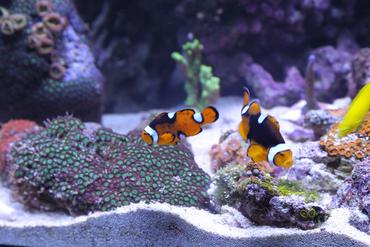
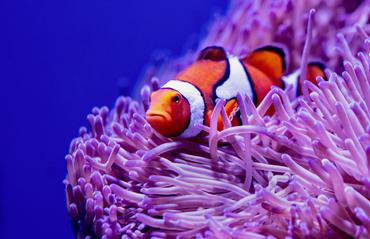
A common beginner mistake is adding a full "clean-up crew" of snails and crabs the moment the ammonia hits zero. However, if there isn't enough algae or waste to eat, these invertebrates will starve. Patience is the greatest tool in your arsenal. Once the cycle is complete, introduce hardy "first fish" like Ocellaris Clownfish or Tailspot Blennies. These species are resilient and can handle the minor fluctuations that occur in a young system. Always keep a close eye on the dangers of high ammonia, nitrite and nitrate during the first few months, as the biological filter is still fragile and easily overwhelmed.
- Live Sand: Contains beneficial bacteria that help speed up the initial cycle.
- Dry Rock vs. Live Rock: Dry rock is pest-free but takes longer to mature; live rock is instant but risky.
- Ghost Feeding: Adding a small amount of fish food to an empty tank to provide an ammonia source for the cycle.
- Diatom Phase: Don't panic when the tank turns brown; it is a temporary stage of a cycling marine tank.
Compatibility and Care Considerations
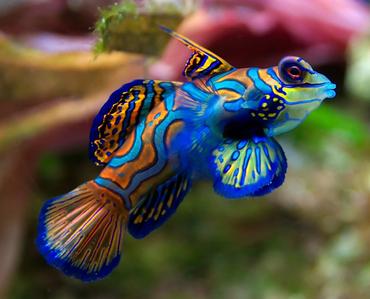
In the saltwater hobby, compatibility is more than just "will they fight?" It involves territoriality, dietary needs, and "reef-safety." Some fish, like the Six-Line Wrasse, are excellent for pest control but can become aggressive toward newcomers. Others, like the Mandarin Dragonet, have extremely specialized diets (eating only tiny copepods) and should never be added to a tank that isn't at least a year old. When planning your stocking list, always research the adult size of the fish. A tiny Hippo Tang might look great in a 40-gallon tank today, but it will eventually grow into a high-energy swimmer that requires 180 gallons or more.
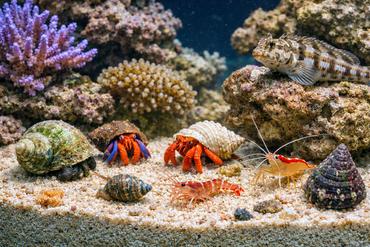
Care also extends to the "clean-up crew" (CUC). Invertebrates like the Skunk Cleaner Shrimp or Emerald Crabs are vital for maintaining a healthy ecosystem, but they are incredibly sensitive to copper-based medications. If you ever need to treat a sick fish, you must do so in a separate quarantine tank. Understanding the basics of freshwater fish compatibility provides a baseline, but in saltwater, you must also consider "niche" competition. For example, two different species of bottom-dwelling gobies might fight over the same burrow even if they are otherwise peaceful fish.
- Quarantine (QT): A secondary, simple tank used to observe new fish for 30 days to prevent introducing parasites like Marine Ich.
- The "Nemo" Factor: Clownfish are hardy, but they are damselfish and can be surprisingly territorial as they age.
- Invertebrate Safety: Always ensure your fish are "reef-safe" if you plan on keeping corals or ornamental shrimp.
- Feeding Diversity: Marine fish thrive on a mix of frozen mysis shrimp, nori (seaweed), and high-quality pellets.
Common Pitfalls and How to Avoid Them
The most expensive mistakes in saltwater tanks happen because of haste. "Chasing numbers"—the act of constantly adding chemicals to hit a specific pH or alkalinity target—often causes more harm than good. In most cases, regular water changes with a high-quality salt mix will keep your minerals in balance. Another pitfall is poor lighting choice. While fish don't care about light spectrum, corals do. If you buy a "fish-only" light and later decide to add corals, you will end up buying equipment twice. It is often better to invest in a decent "entry-level" reef light from the start.
Another major issue is the "impulse buy." Many local fish stores carry beautiful species like Copperband Butterflyfish or Blue Ribbon Eels that have dismal survival rates in captivity or require expert-level care. Always use your smartphone to check a fish's requirements before the bag hits the water. Finally, never underestimate the power of evaporation. If you don't top off your water daily, the increasing salt concentration will stress your fish's kidneys, leading to a weakened immune system and eventual disease. Stability is the name of the game.
- Impulse Buys: Avoid "expert only" fish until you have at least a year of experience.
- Water Source: Never use tap water; the phosphates and silicates will lead to endless algae battles.
- Overstocking: Saltwater fish require more "elbow room" than freshwater fish due to oxygen requirements.
- Chasing pH: A stable pH of 8.0 is better than a pH that swings between 8.1 and 8.4 every day.
Takeaway: Your Journey into the Marine World
Setting up a saltwater tank is a marathon, not a sprint. By focusing on high-quality water (RO/DI), maintaining salinity stability, and choosing your inhabitants with careful research, you can create a piece of the ocean in your own home. The "secret" to a beautiful marine tank is simply observation and consistency. Once you move past the initial cycling phase and find the rhythm of weekly water changes and daily top-offs, you will find that a saltwater system is one of the most rewarding hobbies on the planet. The vibrant colors and complex behaviors of marine life provide a window into an alien world that continues to fascinate and inspire. Ready to start your marine journey or looking for the best skimmers to keep your water crystal clear? Explore our in-depth equipment reviews and species spotlights at RateMyFishTank.com to build your system with confidence! If you have questions about your initial cycle, join our community forums to connect with veteran reefers. Would you like me to help you create a customized equipment list based on your specific budget and tank goals?


MOST RECENT ARTICLES