FISH TANK MAINTENANCE AND CLEANING

The Foundation of Success: Mastery of the Water Change
The most important habit you can develop in the fish-keeping hobby is the weekly partial water change. Many beginners believe that if the water looks clear, it must be clean. Unfortunately, harmful chemicals like nitrates and phosphates are invisible to the naked eye. Over time, as fish eat and produce waste, these toxins accumulate, leading to stunted growth, suppressed immune systems, and massive algae outbreaks. A common mistake is performing a 100% water change, which shocks the fish and can inadvertently kill the beneficial bacteria living in the tank. Instead, aim for a 15% to 25% change every week to keep parameters stable and the environment fresh.
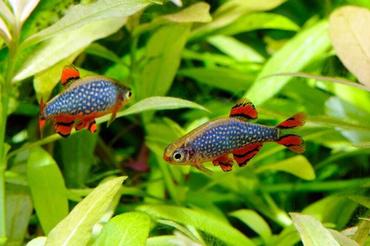
To perform this effectively, you need a high-quality siphon or gravel vacuum. This tool allows you to pull water from the bottom of the tank where waste settles. As you move the vacuum through the substrate, you remove detritus—the combination of uneaten food and fish waste—before it has a chance to rot and spike your ammonia levels. Before adding new water, it is imperative to use a water conditioner to neutralize chlorine and chloramines found in municipal tap water. Chlorine is a powerful disinfectant that can destroy your biological filter in minutes. Furthermore, temperature matching is critical; adding cold water to a tropical tank can cause thermal shock, making species like Neon Tetras or Angelfish susceptible to stress-related illnesses like Ich. If you are struggling with a sudden spike in toxins, it is essential to understand the dangers of high ammonia, nitrite and nitrate so you can intervene before it becomes a crisis.
For intermediate hobbyists, water changes are also the time to replenish essential minerals. Over time, the hardness (GH) and alkalinity (KH) of your water can drop as they are used by snails for shell growth or by plants for nutrition. By performing consistent changes, you ensure that the pH remains stable. A crashing pH is one of the quickest ways to lose a whole tank of fish. If you have a larger tank, consider using a direct-to-sink siphon system, which makes the process much less of a physical chore and ensures you never skip a week due to the "bucket fatigue."
- Weekly Goal: Change 20% of the water to export nutrients and replenish minerals.
- Vacuum the Substrate: Focus on open areas where waste accumulates, but be gentle around the roots of live plants.
- Condition the Water: Always use a dechlorinator to protect your fish's gills and your tank's bacteria.
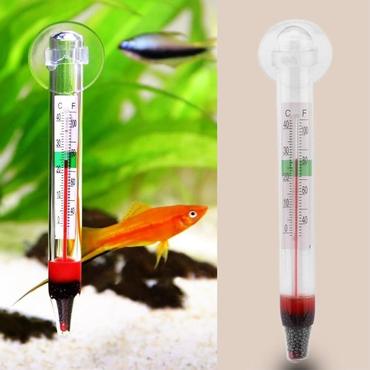
- Check Temperature: Use a digital thermometer to ensure replacement water is within 1-2 degrees of the tank.
- Test Regularly: Use a liquid test kit before your water change to see if your routine is effectively managing nitrates.
- Refill Slowly: Pouring water back in too quickly can uproot plants and stress out inhabitants like Discus or Bettas.
Filter Maintenance: Optimizing Your Biological Engine
Your filter is the heart of the aquarium, housing the massive colonies of beneficial bacteria that keep the water safe. However, the filter is also where a significant amount of physical waste is trapped. If left uncleaned, this trapped waste begins to rot, contributing back to the very nitrate problem the filter is supposed to help manage. A major maintenance blunder is rinsing filter media—like sponges, bio-balls, or ceramic rings—directly under tap water. The chlorine in the tap will wipe out your bacterial colony, essentially forcing you to restart the process of cycling a fish tank from scratch.
Filter maintenance should typically be performed once a month. The safest way to do this is to rinse your filter media in a bucket of old tank water that you just siphoned out during your water change. This removes the "sludge" while keeping the biology intact. While you want to clean the sponges and mechanical pads, you should rarely replace biological media unless it is literally falling apart. The "replace every month" instructions on many filter cartridges are often more about profit than fish health; keeping the same media preserves the most stable bacterial colony possible.
Intermediate keepers should also pay attention to the mechanical parts of the filter. At least once every three months, take the filter apart and clean the impeller—the small spinning magnet inside the motor. Hair, slime, and calcium deposits can build up here, causing the filter to become noisy or stop working entirely. Additionally, check the intake tubes for algae growth or debris that could restrict water flow. If you use chemical filtration, such as activated carbon, remember that it loses its effectiveness after 3 to 4 weeks and should be replaced to keep the water polished and odor-free.
- Rinse in Tank Water: Never use tap water for sponges or bio-media to preserve beneficial bacteria.
- Impeller Care: Use a small brush or Q-tip to clean the motor every few months for longevity.
- Media Management: Replace mechanical floss when it's clogged, but keep ceramic rings or bio-balls for years.
- Air Stone Maintenance: If using sponges or air stones, soak them in vinegar to remove mineral buildup if the bubbles become weak.
- Hose Cleaning: For canister filters, use a long wire brush to clean the inside of the hoses to improve flow.
Algae Management and the Cleanup Crew
Algae is a natural part of any aquatic ecosystem, but in excess, it can smother plants, clog filters, and ruin the visual appeal of your tank. The best way to maintain a clean tank is to prevent algae rather than constantly fighting it. This starts with controlling light and nutrients. If your tank is in direct sunlight or the lights are on for more than 10 hours a day, you are inviting an algae bloom. Most hobbyists find success with a consistent 7-to-9-hour lighting schedule using a simple outlet timer.
When algae does appear, daily touch-ups are your best friend. Use a magnetic glass cleaner for the front and side panels. If you do this every day or two, you prevent the algae from calcifying into stubborn spots that require heavy scrubbing. For more difficult varieties, like Black Brush Algae or Green Spot Algae, you may need a razor blade (for glass tanks) or a specialized plastic scraper (for acrylic). If algae is growing on your decor, you can remove the items and scrub them with a firm brush in a bucket of dechlorinated water. Avoid using soap or household detergents, as even a trace amount of residue can be lethal to fish. A 1:19 bleach-to-water dip can be used for plastic ornaments, provided they are rinsed thoroughly and soaked in a double-dose of dechlorinator afterward.
For a more "natural" maintenance approach, consider adding a specialized cleanup crew. Fish like the Otocinclus Catfish or the Bristlenose Pleco are fantastic at grazing on soft green algae. In the invertebrate world, Nerite Snails are the gold standard because they clean glass and driftwood without the risk of overpopulating your tank. Amano Shrimp are also legendary for their ability to pick through mosses and fine-leaved plants to remove hair algae. However, remember that these animals are not a replacement for water changes; they simply convert algae into fish waste, which you still need to siphon out manually.
- Limit Light: Use a timer to ensure a consistent, moderate light cycle.
- The Right Tools: Use different scrubbers for glass vs. acrylic to avoid permanent scratches.
- Manual Removal: Use an old toothbrush to "spin" and remove long strands of hair algae.
- Natural Help: Siamese Algae Eaters are great for hair algae, while Mystery Snails help clean up uneaten food.
- Feeding Habits: Overfeeding is the #1 cause of algae; only feed what your fish can finish in 2 minutes.
Compatibility and Care During the Cleaning Process
Maintenance time can be stressful for your fish, so it is important to consider their specific needs and temperaments. For instance, shy species like Discus or certain Dwarf Cichlids may hide or become stressed by the presence of a large siphon moving through their territory. Conversely, inquisitive fish like Goldfish or curious Oscars might swim toward the vacuum, risking injury or being sucked up. Always keep an eye on your inhabitants and move the siphon slowly and predictably. If you have a heavily planted tank, your maintenance will also include "aquascaping"—trimming dead leaves and pruning fast growers to ensure light reaches the bottom layers. Rotting leaves contribute to the organic load and should be removed immediately.
Invertebrates require special care during cleaning as well. Freshwater shrimp, such as Cherry Shrimp, are highly sensitive to sudden changes in water chemistry and temperature. When refilling a shrimp tank, it is better to "drip" the new water in slowly over an hour rather than pouring it in all at once. Before adding new species to help with your cleaning duties, always research the basics of freshwater fish compatibility. For example, while a Skunk Loach is great at eating pest snails, it might be too aggressive for a peaceful community of Guppies. Furthermore, some algae eaters, like the Chinese Algae Eater, can become aggressive toward tank mates as they age, losing their appetite for algae and developing a taste for fish slime coats.
Proper maintenance also involves a visual health check. As you clean, look closely at your fish for signs of disease, such as frayed fins, white spots (Ich), or clamped fins. Use the maintenance window to check that your heater is functioning correctly and that your thermometer is accurate. Many hobbyists have saved their entire tank by noticing a cracked heater or a clogged intake during their weekly water change. Equipment safety is paramount: always unplug your heater and filters before a water change. If a heater is left on and exposed to the air as the water level drops, the glass can overheat and shatter when cold water is added back in.
- Move Slowly: Avoid rapid movements with the siphon to minimize fish stress and prevent heart attacks in sensitive species.
- Prune Plants: Use sharp, stainless steel scissors to trim plants; this encourages new, healthy growth.
- Protect Small Fry: If you have baby fish or shrimp, cover your siphon intake with a piece of fine mesh or a brand-new pantyhose.
- Heater Safety: Let your heater cool for 10 minutes before draining water to prevent cracking.
- Check Seals: While cleaning, take a moment to inspect the silicone seals of your tank for any signs of wear or lifting.
Advanced Cleaning: Deep Dives and Long-Term Care
While weekly and monthly tasks cover the basics, there are deep-cleaning tasks that should be addressed every 6 to 12 months. Over time, calcium deposits (limestone) can build up on the lid, rim, and light fixtures. This "salt creep" or hard water staining not only looks unsightly but can also block light from reaching your plants. To clean this safely, use a cloth soaked in white vinegar. Vinegar is a mild acid that dissolves calcium but is much safer for fish than commercial glass cleaners. Always ensure you are cleaning the "dry" side of the equipment, and never spray anything directly over the open water.
If you have a sand substrate, you may need to occasionally "stir" the sand to prevent the formation of anaerobic gas pockets. These are areas where oxygen cannot reach, allowing harmful hydrogen sulfide gas to build up. When you stir the sand during a water change, you release these gases safely in small amounts. If you use gravel, a deep vacuuming once every few months—where you go all the way to the bottom plate—is beneficial to remove the deep-set mulm that weekly maintenance might miss. For those with canister filters, cleaning the intake and output hoses is a task often forgotten. Algae and bacterial film can build up inside the tubes, reducing flow by up to 50%. A long, flexible tube brush is the only way to effectively clear these out.
Finally, consider your lighting. LED lights generally maintain their spectrum for years, but if you are still using T5 or T8 fluorescent bulbs, they should be replaced every 6 to 9 months. Even if they haven't burned out, the spectrum shifts as the bulb ages, often moving into a range that favors algae growth over plant growth. Keeping a maintenance log—whether on paper or an app—is the best way to track these long-term tasks. When you can look back and see exactly when you last cleaned the impeller or changed the bulbs, you take the guesswork out of aquarium management.
- Vinegar Solution: Use a 50/50 water-and-vinegar mix for hard water stains on the lid and glass tops.
- Stir the Sand: Use a chopstick or your finger to gently stir sand to prevent toxic gas pockets.
- Hose Maintenance: Clean canister hoses every 6 months to maintain high flow rates.
- Light Inspection: Clean the salt spray off your light fixtures to ensure maximum PAR (light energy) reaches your plants.
- Check Stand Stability: Every year, ensure your aquarium stand is level and shows no signs of water damage or bowing.
Takeaway: Consistency is the Key to Clarity
Aquarium maintenance is not a chore to be avoided, but a ritual that connects you with your aquatic environment. By sticking to a schedule of weekly partial water changes, gentle filter rinsing, and light-controlled algae management, you create a stable world where your fish can truly thrive. The biggest secret to a clean tank is simply not letting it get "dirty" in the first place. Small, frequent actions are far more effective—and much less work—than infrequent, massive overhauls that stress both the hobbyist and the inhabitants. Whether you are keeping a simple Betta bowl, a community of Guppies, or a high-tech planted paradise, the reward for your effort is a vibrant, healthy display that serves as a stunning centerpiece of your home. Are you looking to upgrade your maintenance gear or find the perfect algae-eating companion to help with the workload? Explore our community reviews and expert guides at RateMyFishTank.com to take your hobby to the next level! Every successful tank starts with a dedicated keeper—keep your water clean, and your fish will do the rest. Would you like me to help you design a personalized monthly maintenance calendar based on your specific tank setup?


MOST RECENT ARTICLES