HOW TO DEAL WITH MARINE FUNGUS IN THE SALTWATER AQUARIUM

How to Deal with Marine Fungus in the Saltwater Aquarium
Marine fungus — that cottony, white, or gray growth on your fish’s body, fins, or mouth — can be one of the most frustrating problems for saltwater aquarium hobbyists, especially when it appears out of nowhere. In this friendly and practical guide, you’ll learn how to recognize, treat, and prevent marine fungal infections so you can keep your reef tank thriving and your fish healthy.


What Is Marine Fungus and Why It Happens

In saltwater aquariums, the term “fungus” most often describes opportunistic water molds and fungal growths that take advantage of stressed or injured fish. True fungi like those in freshwater tanks are less common, but fungal-like organisms (e.g., Oomycetes) can appear as fluffy or cottony growths on fish bodies, fins, or even fish eggs. These infections typically start when a fish is already stressed by poor water quality, injury, or parasites.

Common signs to watch for:

  • White or gray cotton-like tufts on fins and body
  • Discoloration around the mouth or head
  • Fish rubbing or flashing against decor
  • Lethargy and decreased appetite

Because fungal infections are often secondary — meaning something else (like injury or poor water conditions) came first — effective treatment often includes both medication and environmental fixes.

Diagnosing Marine Fungus: What to Look For

Accurate identification is the first step toward successful treatment. Marine fungus can easily be mistaken for other problems like marine ich or velvet disease, bacterial sores, or physical injury.

Here’s how to differentiate a fungal issue:

  • Texture: Fungus often appears cottony or fluffy, whereas ich shows as tiny white spots, and bacterial infections may look slimy or ulcerative.
  • Location of growth: Fungal growth tends to wrap around damaged areas, such as torn fins or abrasions, not evenly distributed like ich spots.
  • Progression: Left untreated, fungus spreads quickly across fins and body, whereas some parasites show distinctive patterns like sand-sized grains.

If you aren’t sure what you’re dealing with, it can help to temporarily isolate the infected fish in a quarantine tank to examine symptoms closely and start treatment without stressing the rest of the tank’s livestock.

Treatment Options: From Quarantine to Medication

Once you’ve identified a fungal infection, there are multiple effective strategies you can use. The best approach depends on how severe the outbreak is and whether you have sensitive tankmates like corals or invertebrates.

1. Quarantine Treatment

If possible, move the infected fish to a separate hospital tank. This gives you more control over treatment and protects other fish and invertebrates in the main display.

  • Add activated carbon to the filter only after medication is finished — carbon can remove treatment agents if left in place. (Common error: leaving carbon running during treatment reduces effectiveness.)
  • Maintain pristine water quality — frequent water changes help speed healing.

2. Saltwater and Dip Treatments

Salt dips and medicated baths can help dry out and kill external fungus. In a hospital tank, carefully using marine salt can be effective. These methods often involve:

  • Short-term dips (minutes long) if recommended by medication instructions.
  • Incremental increases of salt concentration in the hospital tank. Avoid shocks by raising salinity slowly over hours.

Note: Dips and salt adjustments should be done with care, especially around sensitive species like clownfish or species with delicate osmoregulation systems.

3. Commercial Antifungal Medications

There are several antifungal products formulated specifically for aquarium use. Below are examples commonly used by hobbyists:

  • Rid-Fungus — herbal antifungal treatment safe for many marine fish (invertebrate-safe variants available). :contentReference[oaicite:0]{index=0}
  • Prodibio Bacteria & Fungi Salt Cure — treatment for bacterial and fungal infections, though not safe for invertebrates — best in quarantine. :contentReference[oaicite:1]{index=1}
  • Bubbles N Troubles Fungal Control — treats superficial fungus and can be used in both freshwater and saltwater. :contentReference[oaicite:2]{index=2}

When using any medication: always remove activated carbon, follow dose instructions carefully, and monitor fish closely for signs of stress or adverse reactions.

Environmental and Care Factors to Prevent Fungus

Fungal outbreaks are often linked to environmental stress. Improving your aquarium’s conditions can prevent problems before they start.

Water Quality and Maintenance

  • Regularly test and maintain salinity, pH, ammonia, nitrite, and nitrate levels.
  • Perform consistent water changes — aim for 10–20% weekly in most reef systems.
  • Remove uneaten food and detritus quickly — decay fuels fungal growth.

Poor water parameters stress fish and weaken immune systems, making them more vulnerable to fungus.

Filtration & Aeration

A well-functioning filter and good surface agitation improve oxygen exchange and reduce the free-floating spores that contribute to infections. Consider using a properly sized protein skimmer for marine systems to help remove organic waste efficiently.

Quarantine New Additions

Quarantine all new fish for at least 2–4 weeks in a separate tank before introducing them to your display. This practice helps catch diseases early and protects your established tank. Learn more about setting up a saltwater quarantine tank.

Decor and Substrate Care

  • Clean decor and live rock when algae or buildup is visible — debris creates pockets for mold and fungus to thrive.
  • Consider periodically siphoning the substrate during water changes to remove detritus.

Compatibility & Care Considerations

Marine fungus treatments often affect tankmates differently. Before starting any treatment, think carefully about compatibility with your livestock.

Fish vs. Invertebrate Sensitivity

  • Some antifungal medications are not safe for invertebrates like shrimp, crabs, or snails. These species can be far more sensitive to chemical treatments than fish.
  • Fragile reef inhabitants such as soft corals or anemones may also react poorly to medications designed for fish.
  • Invertebrate-safe antifungal products or hospital tanks are ideal when dealing with mixed reef setups.

Species-Specific Notes

Certain marine fish are more prone to fungal issues, especially under stress or after transport:

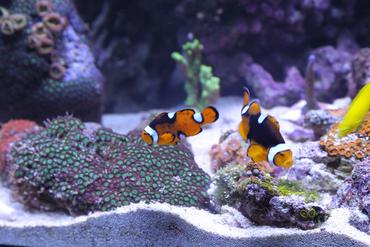
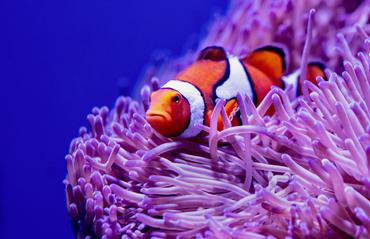
  • Clownfish (Amphiprion spp.): Often hardy but can show fungus around mouth or fins after shipment.
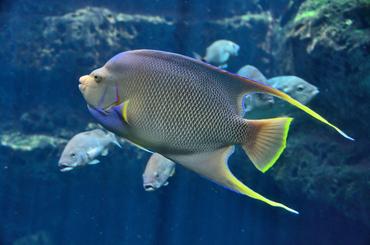
  • Angelfish & Tangs: These active swimmers are sensitive to water quality fluctuations, making stable conditions critical.
  • Wrasses: Easily stressed during acclimation — proper quarantine helps reduce fungal problems.

Avoiding Common Mistakes

  • Do not treat the display tank immediately without isolating sensitive invertebrates first.
  • Avoid overmedicating — more is not always better and can harm beneficial bacteria or sensitive tankmates.
  • Never leave carbon in the filter while medicating — it will absorb the treatment agent and reduce effectiveness.

Real-World Examples and Troubleshooting

Many hobbyists have faced “mystery fungus” outbreaks after adding new fish that appeared healthy at first. In these cases, rapid action — including quarantine, water quality improvement, and targeted antifungal treatment — made the difference between recovery and widespread tank loss.

For instance, a marine angelfish showing cottony growth around injured fins may initially be mistaken for a bacterial infection. Observant aquarists often look for the characteristic “fuzzy” texture and isolate the fish for targeted treatment. Within a week of appropriate antifungal therapy and improved water parameters, the fish’s condition can improve dramatically.

In another scenario, a reef tank owner noticed white film on new tang’s body shortly after introduction. By promptly moving the tang into quarantine, starting a medicated bath, and performing daily water changes, the tang recovered without the fungus spreading to other livestock.

When to Seek Professional Help

If you’ve tried multiple treatments without improvement, or if the infection is spreading rapidly, it may be worth consulting a veterinarian or experienced marine aquarist. Some fungal-like infections can be stubborn and require veterinary support for proper diagnosis and advanced treatment.

Conclusion: Takeaway and Next Steps

Marine fungus doesn’t have to spell disaster for your saltwater aquarium. By understanding how to identify infections, implementing timely treatment, and maintaining excellent water quality, you can overcome outbreaks and prevent them from returning. Remember:

  • Quarantine new fish before introducing them to the display.
  • Isolate and treat infected fish in a separate tank when possible.
  • Use antifungal medications carefully and according to instructions.
  • Keep water parameters stable and clean to support fish immune systems.

Ready to dive deeper? Check out our other articles on saltwater tank setup and disease prevention for more expert aquarium care tips.

Salinity Requirements in a Saltwater Aquarium
Salinity is one of the most critical — and often misunderstood — parameters in a saltwater aquarium.
Why Do Fish Disappear from the Saltwater Tank?
Few experiences are more unsettling for a saltwater aquarist than waking up to find a fish missing with no obvious explanation.

MOST RECENT ARTICLES

Father Fish–Style Natural Aquariums: What Beginners Should Know
FATHER FISH–STYLE NATURAL AQUARIUMS: WHAT BEGINNERS SHOULD KNOW
Natural aquariums are often described as “set it and forget it,” but the truth is calmer and more practical: you trade constant cleaning for thoughtful setup, steady habits, and time.
Community Fish Compatibility Guide
COMMUNITY FISH COMPATIBILITY GUIDE
Creating a thriving community aquarium is one of the most rewarding aspects of the fish-keeping hobby, but it requires much more than simply picking out the most colorful fish at the local pet store.
Fishless Cycling vs Fish-In Cycling: Which Method Is Best for Your Aquarium?
FISHLESS CYCLING VS FISH-IN CYCLING: WHICH METHOD IS BEST FOR YOUR AQUARIUM?
Setting up a new aquarium is one of the most exciting moments in the fishkeeping hobby—but it’s also where most beginners unintentionally make mistakes that lead to stressed fish, disease outbreaks, or early losses.

Rate This Tank:

SALTWATER AQUARIUM ARTICLES

Getting Rid of Aiptasia in Your Reef Aquarium
If you’ve ever spotted small pest anemones popping up on your live rock or around your coral frags, you know the frustration of dealing with Aiptasia in a reef aquarium — tiny but tenacious, these stinging pests can quickly turn into a bigger problem if left unchecked.
Best Beginner Saltwater Fish for 2025: Easy, Colorful Species for New Reefkeepers
Starting your first saltwater aquarium can feel overwhelming, but choosing the right fish makes all the difference.
Top Commercial Foods for Saltwater Fish
If you’ve ever stood in front of a wall of aquarium food bags and jars wondering what products actually deliver on nutrition for your saltwater fish, you’re not alone.

AQUARIUM MAINTENANCE

Aquarium maintenance is the key to keeping your tank healthy. The articles in this category will help you learn how to maintain your tank properly.

How to Deal with Marine Fungus in the Saltwater Aquarium
Marine fungus — that cottony, white, or gray growth on your fish’s body, fins, or mouth — can be one of the most frustrating problems for saltwater aquarium hobbyists, especially when it appears out of nowhere.
Dealing with Hard Water in the Saltwater Tank
When it comes to maintaining a healthy saltwater tank, water quality is extremely important.
The Dangers of High Ammonia, Nitrite and Nitrate
Water quality is extremely important in maintaining a saltwater tank.
Saltwater and Reef Tank Cycling
Tips on cycling your fishtank.
How to Modify PH in a Saltwater Tank
Maintaining proper pH is one of the most important — and often misunderstood — aspects of running a successful saltwater aquarium.
Choosing the Correct Temperature for a Marine Aquarium
Temperature is one of the most underestimated yet critical factors in maintaining a healthy marine aquarium.
The Benefits of Algae in Saltwater Tanks
Algae often gets a bad reputation in saltwater aquariums, especially among beginners who associate it with dirty glass, nuisance outbreaks, and poor water quality.
Why Do Fish Disappear from the Saltwater Tank?
Few experiences are more unsettling for a saltwater aquarist than waking up to find a fish missing with no obvious explanation.
Maintenance Schedule for Reef Tanks
Reef tanks are often described as living works of art, but behind every thriving coral reef aquarium is a consistent and well-planned maintenance routine.
What You Need to Know About pH in Marine Aquariums
pH is one of the most talked-about — and often misunderstood — parameters in marine aquariums.
Salinity Requirements in a Saltwater Aquarium
Salinity is one of the most critical — and often misunderstood — parameters in a saltwater aquarium.
How to Remove a Mantis Shrimp From a Saltwater Aquarium
Mantis shrimps are fascinating and powerful marine invertebrates, known for their vibrant colors and incredible striking ability.
What NOT to do with a Saltwater Tank
Learn what "not" to do when starting out with your saltwater fish or reef tank.
How to Solve Common Saltwater Tank Problems
Cultivating a thriving saltwater tank can be a challenge but it is also incredibly rewarding.
Kalkwasser for the Marine Tank
Kalkwasser is one of the most powerful—and often misunderstood—tools available to marine aquarium hobbyists.
Maintaining Your Saltwater Tank
Tips for maintaining a saltwater fish tank.
Why is Water Flow So Important in a Reef Tank?
Cultivating a thriving reef tank can be a challenge with all of the requirements you must meet.
Read more articles (17) Aquarium Setup (11)
Types of Saltwater Tanks: Fish-Only, FOWLR and Reef Tanks
Saltwater aquariums offer some of the most visually striking and rewarding experiences in the fishkeeping hobby, but choosing the right type of marine tank is critical to long-term success.
Stocking a Brackish Aquarium
A brackish aquarium is an exciting challenge for the aquarium hobbyist.
Saltwater Aquariums
Saltwater Aquariums
A brief introduction to saltwater aquariums.
How to Start a Brackish Tank
Brackish aquariums sit at the fascinating crossroads between freshwater and saltwater, offering hobbyists the chance to keep unique, hardy fish with bold personalities and striking appearances.
Saltwater versus Freshwater Aquariums
Learn the arguments for choosing to set-up either a freshwater or saltwater aquarium.
Handy Aquarium Accessories and Devices
Setting up an aquarium is exciting, but keeping it healthy long-term is where the real challenge begins.
Tips for Keeping Nocturnal Fish in the Marine Aquarium
When the sun sets and the moon rises, the reef doesn't go silent - a whole new group of inhabitants comes out to play.
What Are the Biggest Saltwater Aquarium Mistakes and How Do You Fix Them?
Cultivating a saltwater aquarium is a hobby full of exciting challenges, but sometimes those challenges can get the better of you.
Setting Up A Saltwater Tank System
What to Consider before Starting.
Preparing Saltwater for your Marine Tank
Setting up and maintaining a marine tank can be a challenging experience and preparing your saltwater correctly is one of the most important tasks.
Getting The Tank Ready
Creating an ecosystem.
Reef Tanks (13)
Reef Aquariums
Reef Aquariums
An overview of the reef aquarium along with a short history.
How to Care for Marine Blue Sponges
The blue sponge makes a great addition to the marine tank.
The Top 5 Most Colorful Corals for a Saltwater Tank
With more than 2,000 different species of coral out there, how do you choose the right option for your tank?
Types of Coral for Reef Tanks
Stocking a reef tank can be a challenge because there are so many different types of coral to choose from.
Beginner Coral Species: Low-Light Corals
Keeping corals in a saltwater aquarium can be challenging but these low-light species are perfect for beginners.
Tips for Using Rockwork in Saltwater and Reef Aquariums
Building a beautiful saltwater tank landscape out of rock is a challenge but with some helpful tips you can make it work.
Recommended Species for Nano Tanks
Nano aquariums prove that great things really do come in small packages.
Feeding Corals -  Keeping Your Saltwater Invertebrates Healthy
Feeding Corals - Keeping Your Saltwater Invertebrates Healthy
If you want to keep your saltwater or reef tank healthy, you need to learn the basics of feeding corals.
Common Myths and Problems Regarding Nano Reef Tanks
If you’re excited about setting up a nano reef tank — a beautiful miniature version of a coral reef right in your living room — you’ve probably encountered a mix of great advice and confusing misinformation.
Bristle Worms in the Marine Tank
If you’ve ever peeked into the sand bed of your marine tank and noticed tiny, segmented worms with bristly legs slithering around, you’re not alone.
Set-up Guide for a Reef Tank
If you have ever considered starting a reef tank, read this setup guide to make sure you start your reef tank off right.
What is a Nano Reef?
A nano reef aquarium packs the beauty and complexity of a coral reef into a compact, living display that fits on a desk, countertop, or small stand.
Reef Aquariums: Is Bigger Really Better?
Cultivating a reef tank is an exciting but challenging task - learn more about choosing the right size for your reef tank.
Aquarium Lighting (3)
UV Sterilizers for Reef Aquariums
A UV sterilizer is a valuable piece of equipment to add to your reef tank or fish-only saltwater aquarium.
Saltwater Aquarium Lighting and Heating
Lighting and heating are two of the most important—and often misunderstood—components of a successful saltwater aquarium.
Tips for Lighting a Reef Tank
When it comes to maintaining a thriving reef tank the type of lighting system you choose is incredibly important.
Heating and Filtration (8)
Reverse Osmosis for the Saltwater Tank
If you’re diving into the world of saltwater aquariums — whether it’s a fish-only system or a thriving reef full of corals and invertebrates — one of the most important factors in your success is the water you *start* with.
Foam Build-up on Saltwater Tank Surface
Foam build-up on the surface of a saltwater aquarium is one of those issues that instantly grabs a hobbyist’s attention — and often causes unnecessary panic.
How to Keep Your Saltwater Aquarium from Overheating
Learn how to keep your saltwater aquarium from overheating.
What is Protein Skimming?
If you’ve ever wondered how experienced reef keepers maintain crystal-clear water and thriving marine life in their aquariums, protein skimming is one of the most important tools in their arsenal.
Common Problems with Heating in Saltwater Tanks
Maintaining a stable and appropriate temperature in your saltwater tank is one of the most crucial aspects of successful marine aquarium keeping.
Saltwater Aquarium Filtration
The type of filtration system you choose for your saltwater aquarium is incredibly important.
Wavemakers for Saltwater Tanks
In a thriving saltwater aquarium, water movement is just as important as filtration and lighting.
What is an Aquarium Sump?
If you are new to the aquarium hobby you may not be familiar with the term "sump".
Nutrition and Feeding (5)
Live Foods for Marine Fish
Feeding live foods to marine fish is one of the most effective ways to encourage natural behavior, improve coloration, and support long-term health in saltwater aquariums.
Tips for Getting Fussy Fish to Eat
Few things worry aquarium hobbyists more than a fish that refuses to eat.
Nutritional Needs of Saltwater Aquarium Fish
Feeding saltwater aquarium fish may seem simple at first—add some flakes or pellets and watch them eat—but proper marine nutrition is far more nuanced.
How to Raise Brine Shrimp
Brine shrimp are an excellent source of protein for aquarium fish and they are very easy to raise at home.
Tips for Feeding Saltwater Aquarium Fish
What you feed your fish will determine whether or not their reach their full potential.
Saltwater Fish Diseases (5)
How to Treat Saltwater Aquarium Parasites with Freshwater
Parasites can quickly become a major problem in the saltwater aquarium if you do not address the issue immediately.
Common Saltwater Aquarium Fish Diseases
No matter how hard you try, you cannot completely protect your fish from falling ill.
Good Medications to Keep on Hand
If you’re serious about keeping a healthy, thriving aquarium—whether freshwater or saltwater—having the right medications on hand can mean the difference between a minor hiccup and a full-blown fish health crisis.
How to Deal with Marine Ich in the Saltwater Aquarium
Marine Ich is a common disease affecting saltwater aquarium fish and, unless you know how to deal with it, it can spread quickly throughout your tank.
How to Prevent Saltwater Fish Diseases
There is nothing quite so heartbreaking as losing one of your fish to disease.
Aquarium Decorations (3)
Creating Your Own Live Rock for Saltwater Tanks
For many saltwater aquarium hobbyists, live rock represents the heart and soul of a thriving reef tank — a living, breathing structure that provides biological filtration, habitat, and natural aesthetics that are hard to replicate with synthetic décor.
How to Cure Your Live Rock Before Placing it in Your Aquarium
Live rock is the biological backbone of most saltwater aquariums, providing natural filtration, habitat for beneficial bacteria, and a foundation for coral growth.
Stocking the Tank (27)
Guide for Keeping Anemones in a Reef Tank
Sea anemones are among the most captivating inhabitants of reef aquariums, offering vibrant color, dynamic movement, and an interactive presence that few other invertebrates can match.
Establishing up a Clean-up Crew in Your Saltwater Aquarium
Algae on the glass, uneaten food trapped in the sand, and detritus building up behind the rockwork are some of the most common frustrations saltwater aquarium hobbyists face.
What Are Good Saltwater Fish For Beginners
What makes a saltwater fish a good candidate for beginners?
Why Are Tangs Some of the Best Fish for Reef Tanks?
For many saltwater aquarium enthusiasts, tangs are the crown jewels of the reef tank: dazzling colors, active personalities, and a knack for keeping nuisance algae in check make these fish stand out in the marine hobby.
Choosing the Right Butterflyfish for Your Reef Tank
Cultivating a reef tank is a unique challenge, not only because caring for corals is tricky but because it can be difficult to find reef-safe fish.
Stocking Salt Water Reef Tanks
Stocking a saltwater reef tank is one of the most exciting yet challenging parts of the aquarium hobby.
Caring for Saltwater Gobies
Saltwater gobies are among the most rewarding fish you can keep in a marine aquarium—small, characterful, and endlessly fascinating to watch.
Hermit Crabs in Saltwater Tanks
Hermit crabs are often marketed as simple, “set-and-forget” cleanup crew members for saltwater aquariums, but the reality is far more nuanced.
Sea Urchins in the Saltwater Tank
Sea urchins are some of the most fascinating and misunderstood invertebrates available to saltwater aquarium hobbyists.
What's That? The Top 10 Strangest Looking Saltwater Fish
There are some odd=looking animals out there but these ten saltwater fish are among the strangest.
The Benefits of Snails in the Saltwater Tank
While snails are often viewed as a nuisance in the freshwater tank, they can serve a valuable purpose in the saltwater aquarium.
Keeping Moray Eels in the Marine Tank
Moray eels can be a challenge to keep in the home aquarium but they are well worth it.
Clownfish in the Reef Aquarium
If you’ve ever peered into a vibrant reef aquarium and watched a pair of clownfish dart in and out of a swaying anemone, you understand why these charismatic fish are among the most beloved in the hobby.
Keeping Lionfish in the Home Aquarium
Lionfish are among the most striking and instantly recognizable marine fish available to home aquarists.
Marine Shrimp for the Saltwater or Reef Tank
Marine shrimp can be a useful addition to the saltwater tank - just be sure to pick the right species.
Selecting and Caring for Saltwater Angelfish
Saltwater angelfish are some of the most colorful saltwater fish available.
The Secret to Keeping Seahorses
If you are looking for a unique inhabitant to add to your saltwater tank, consider the seahorse.
Keeping and Breeding Mandarinfish
Mandarinfish are a small, colorful species of saltwater aquarium fish.
Sea Cucumbers for Reef Tanks
Sea cucumbers are fascinating and underappreciated invertebrates that can bring both natural beauty and beneficial functions to your reef tank.
Tips for Caring for Tangs Properly
Tangs are some of the most eye-catching, active, and personality-filled fish in the saltwater hobby—but they’re also among the most misunderstood.
Understanding the Coloration of Saltwater Fish
Have you ever been dazzled by the bright colors and bold patterns of a school of saltwater fish?
Commonly Available Reef-Safe Fish & Invertebrates
Learn about commonly available reef-safe fish and invertebrates that are good candidates for your reef aquarium.
The Benefits of Purchasing Saltwater Fish Online
If you are thinking about buying some new fish for your saltwater tank, think about purchasing them online!
Saltwater Species That Should Not be Kept by Beginners (and Sometimes not Even by the Experienced)
Learn about saltwater animals that beginners (and sometimes experts) should avoid keeping.
Tank-Raised Fish for Saltwater Aquariums
Stocking the saltwater aquarium can be an exciting challenge, especially when you have so many options to choose from.
Top Recommendations for Tank-Raised Saltwater Fish
When purchasing saltwater aquarium fish, you need to think about whether the fish are tank-raised or captive-bred.
Saltwater Fish Article Database
Articles on dozens of saltwater fish and appropriate care.

READ AQUARIUM ARTICLES