
Photo #6 - Button Polyps - Blue Tang,yellow Tang,lavender Ta...

previous
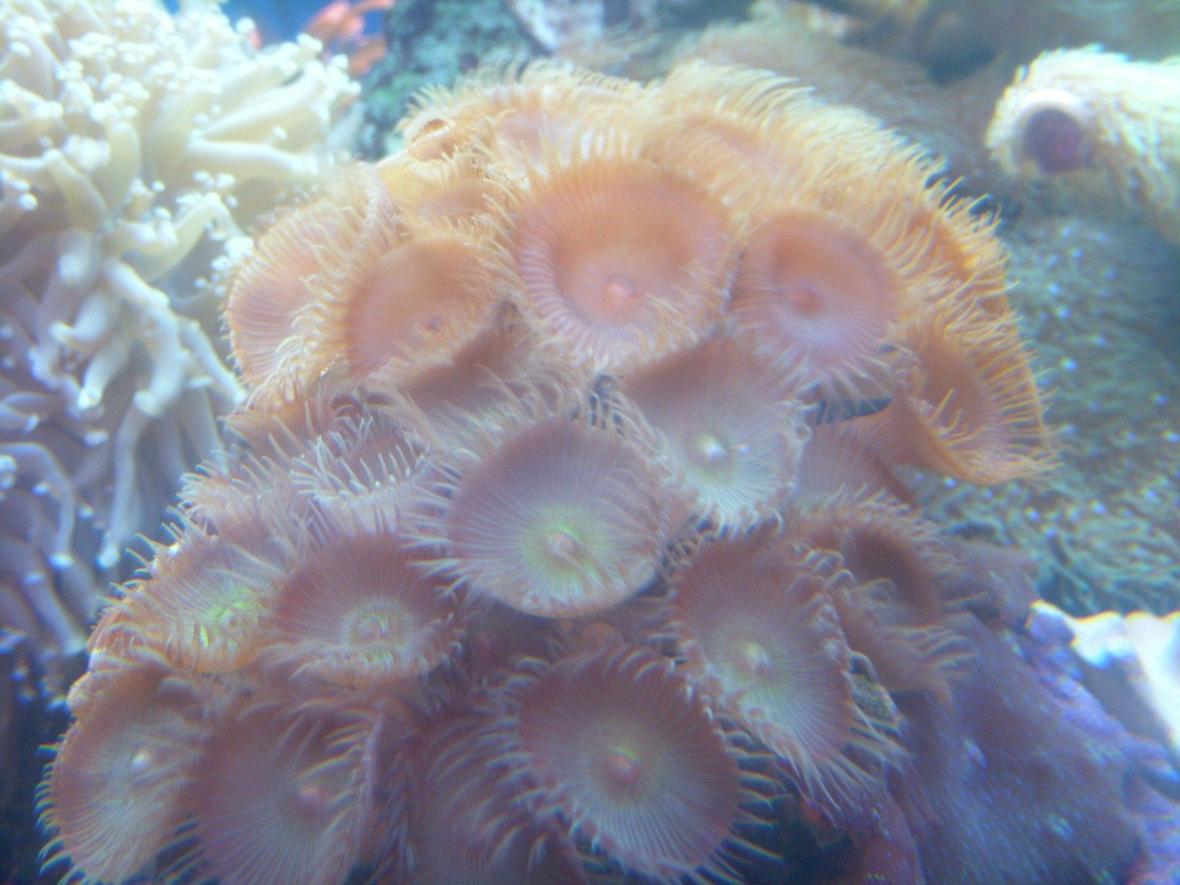
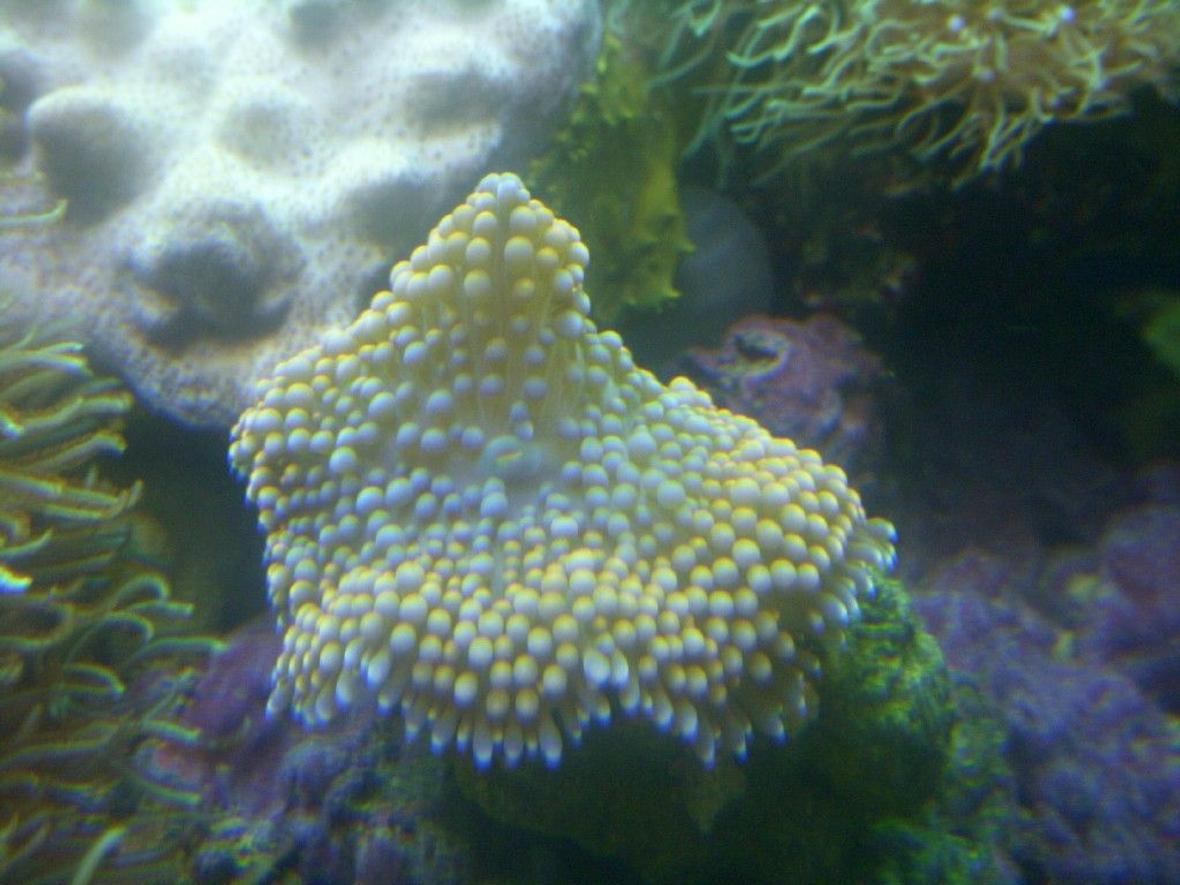
corals inverts - protopalythoa sp. - button polyp stocking in 150 gallons tank - button polyps
next
Submitted By: Robert on
Photo Caption: button polyps
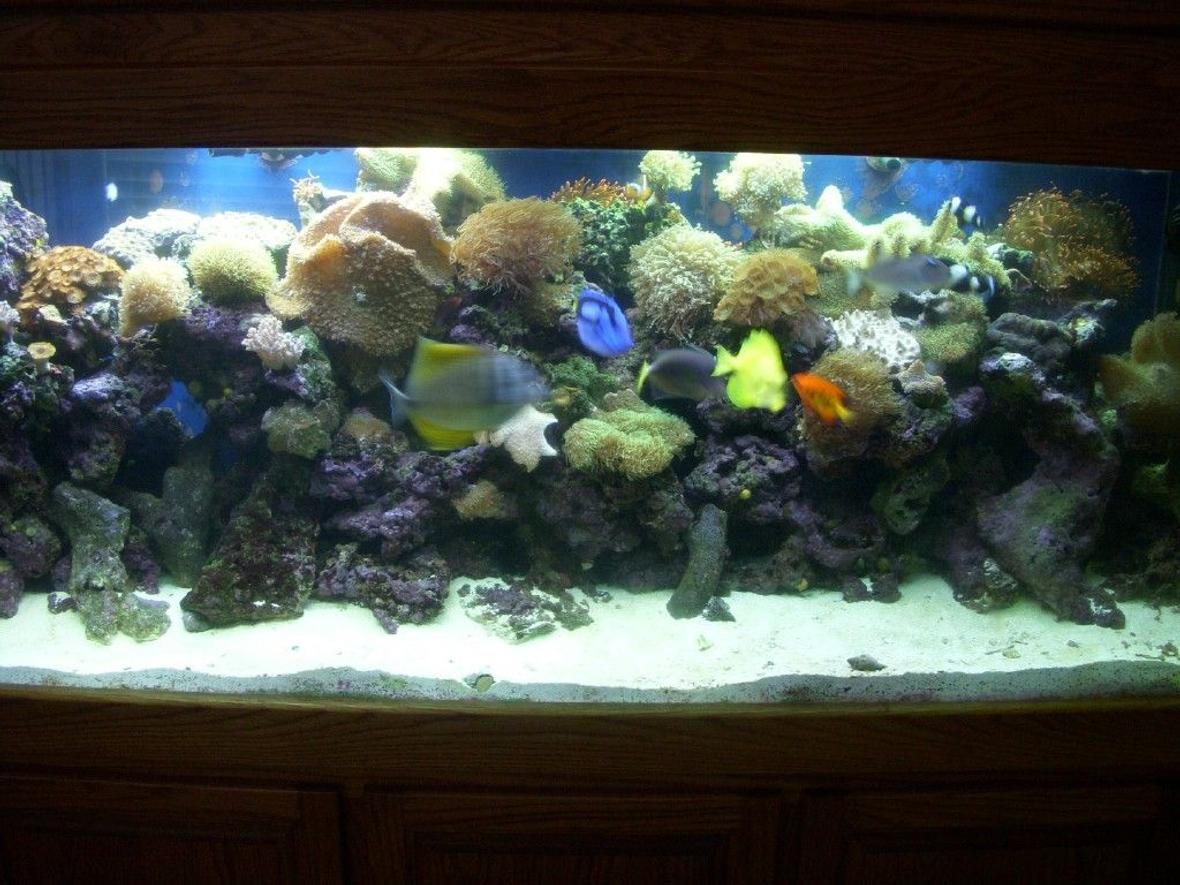
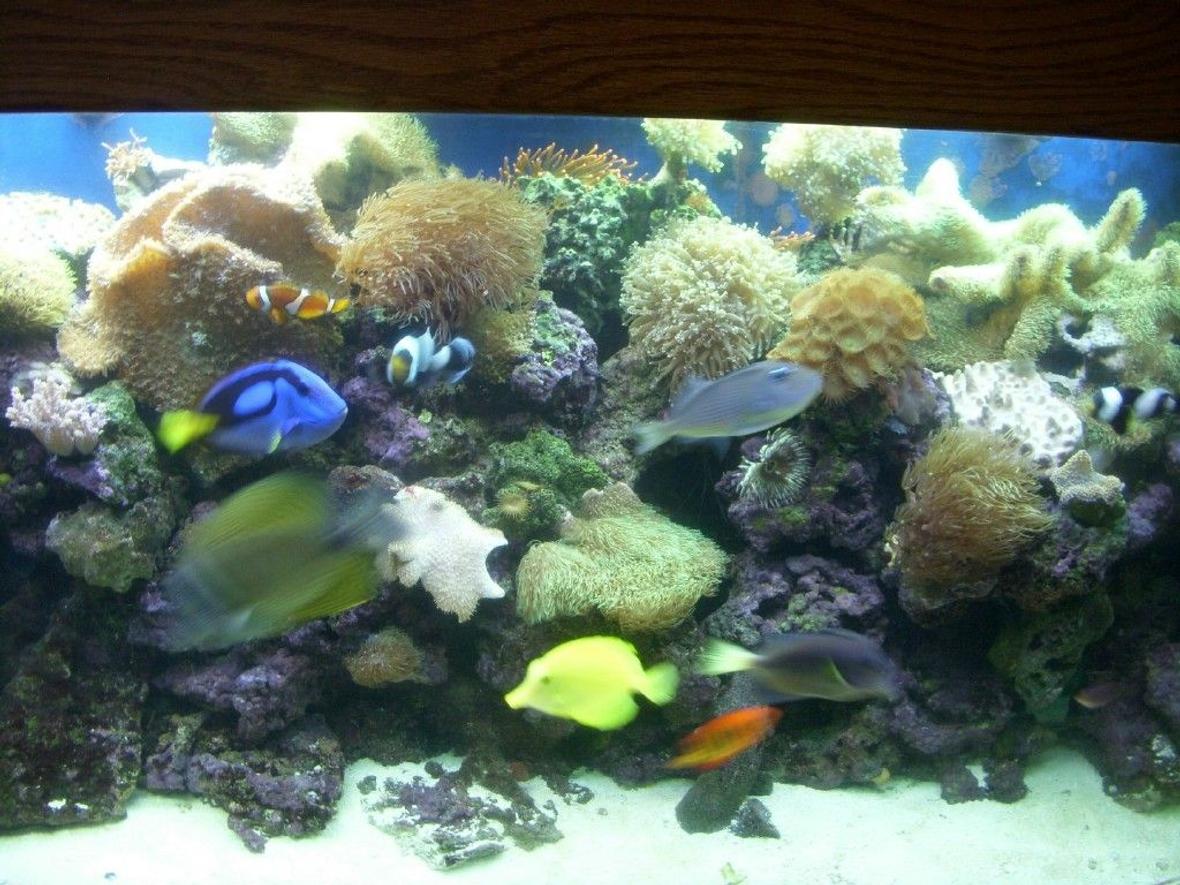
150 gallons reef tank (mostly live coral and fish) - 150 gallon reef tank
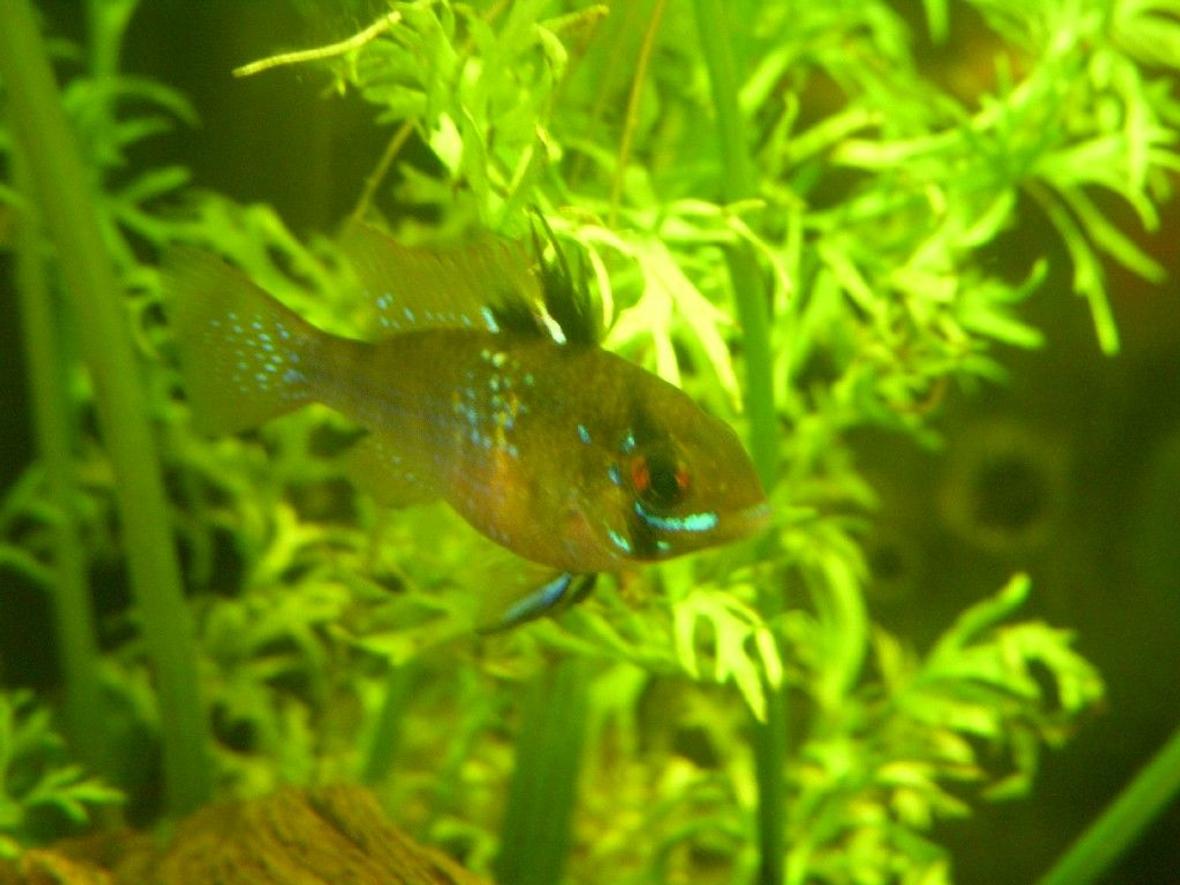
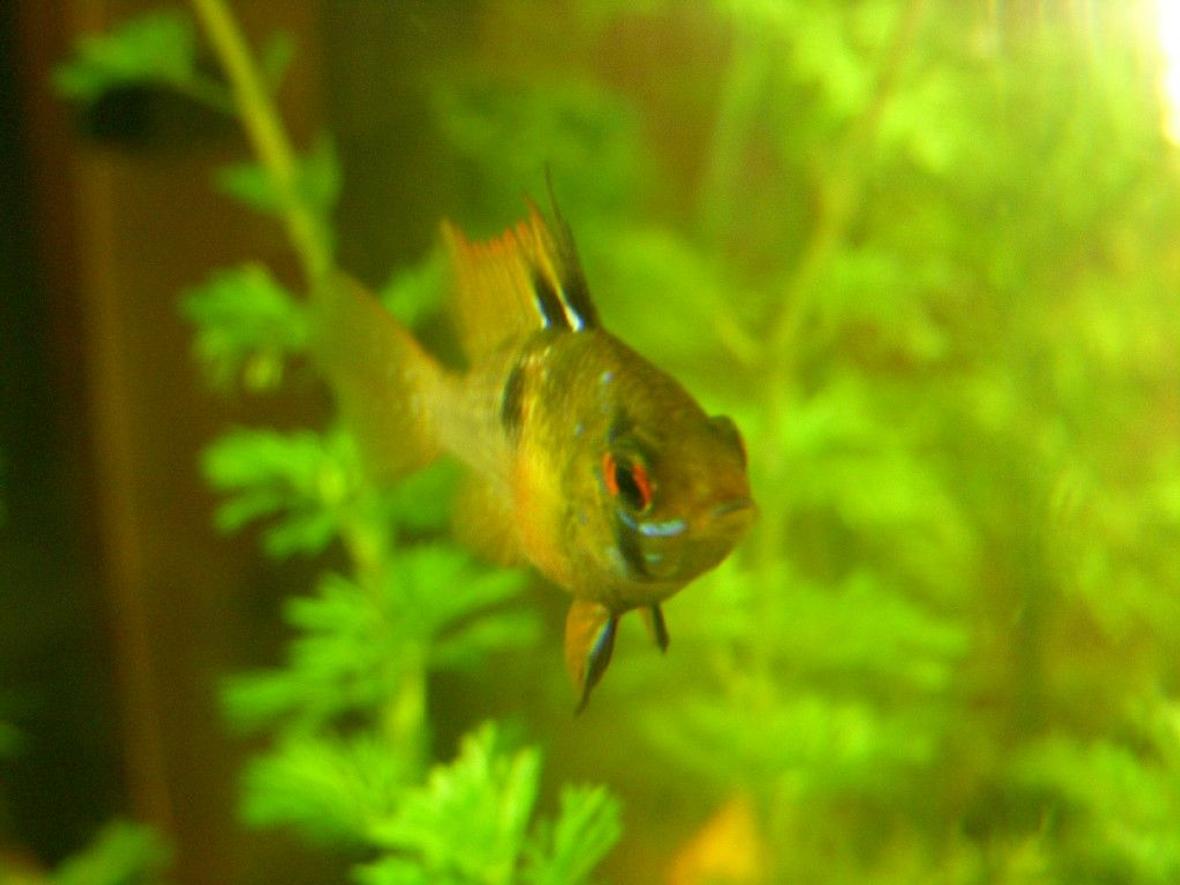
freshwater fish - papiliochromis ramirezi - german blue ram stocking in 150 gallons tank - blue ram female 2
freshwater fish - papiliochromis ramirezi - german blue ram stocking in 150 gallons tank - blue ram female
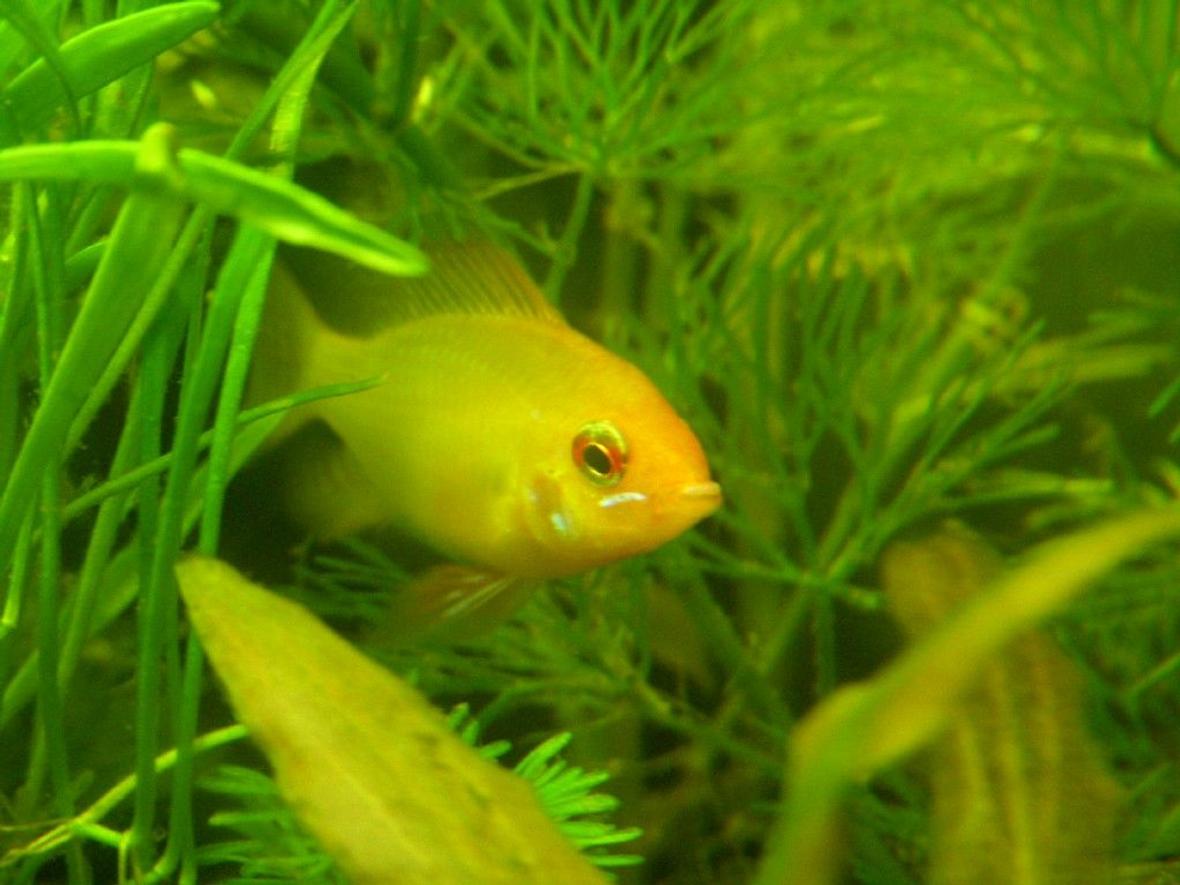
freshwater fish - papiliochromis ramirezi - german gold ram stocking in 150 gallons tank - gold ram male
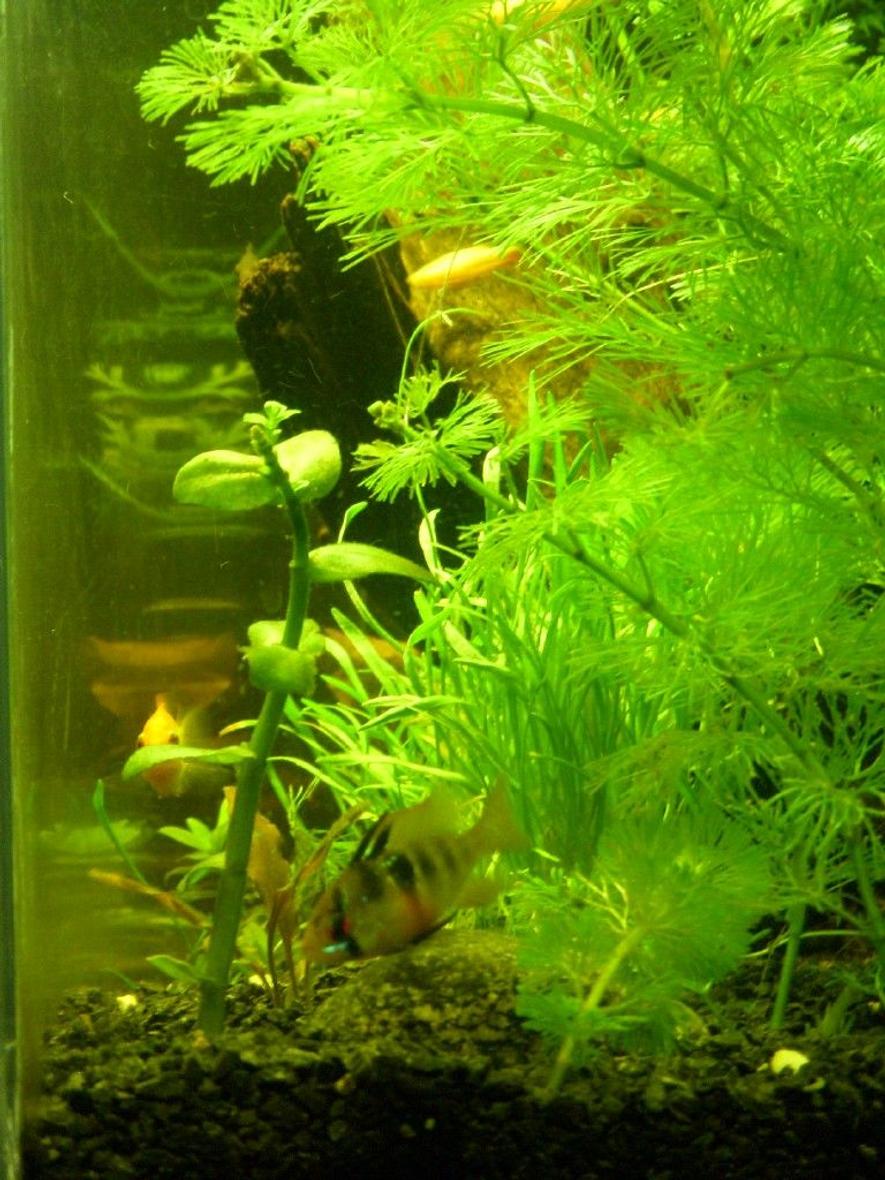
150 gallons planted tank (mostly live plants and fish) - side view of planted 12 gallon
corals inverts - protopalythoa sp. - button polyp stocking in 150 gallons tank - button polyps
saltwater fish - paracanthurus hepatus - blue tang stocking in 150 gallons tank - middle of reef tank
corals inverts - protopalythoa sp. - button polyp stocking in 150 gallons tank - green and orange paly's
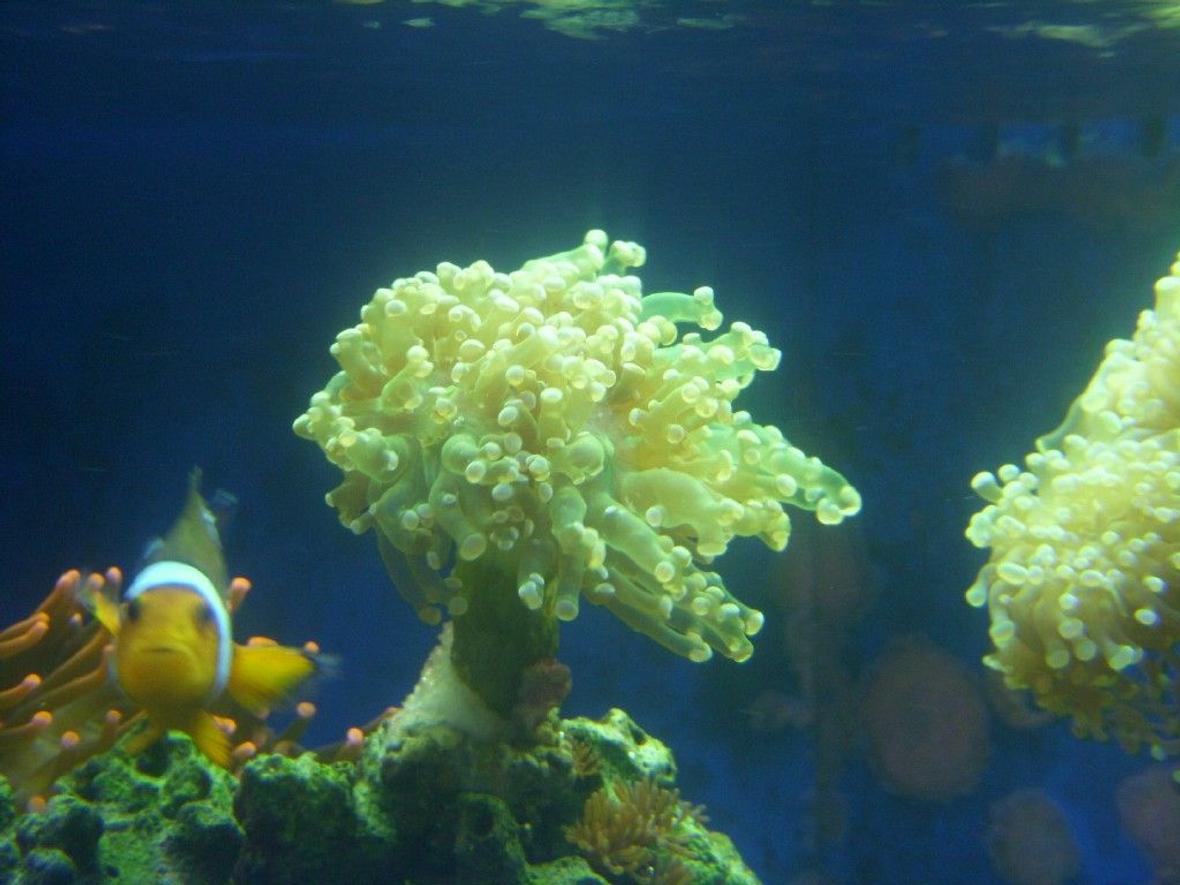
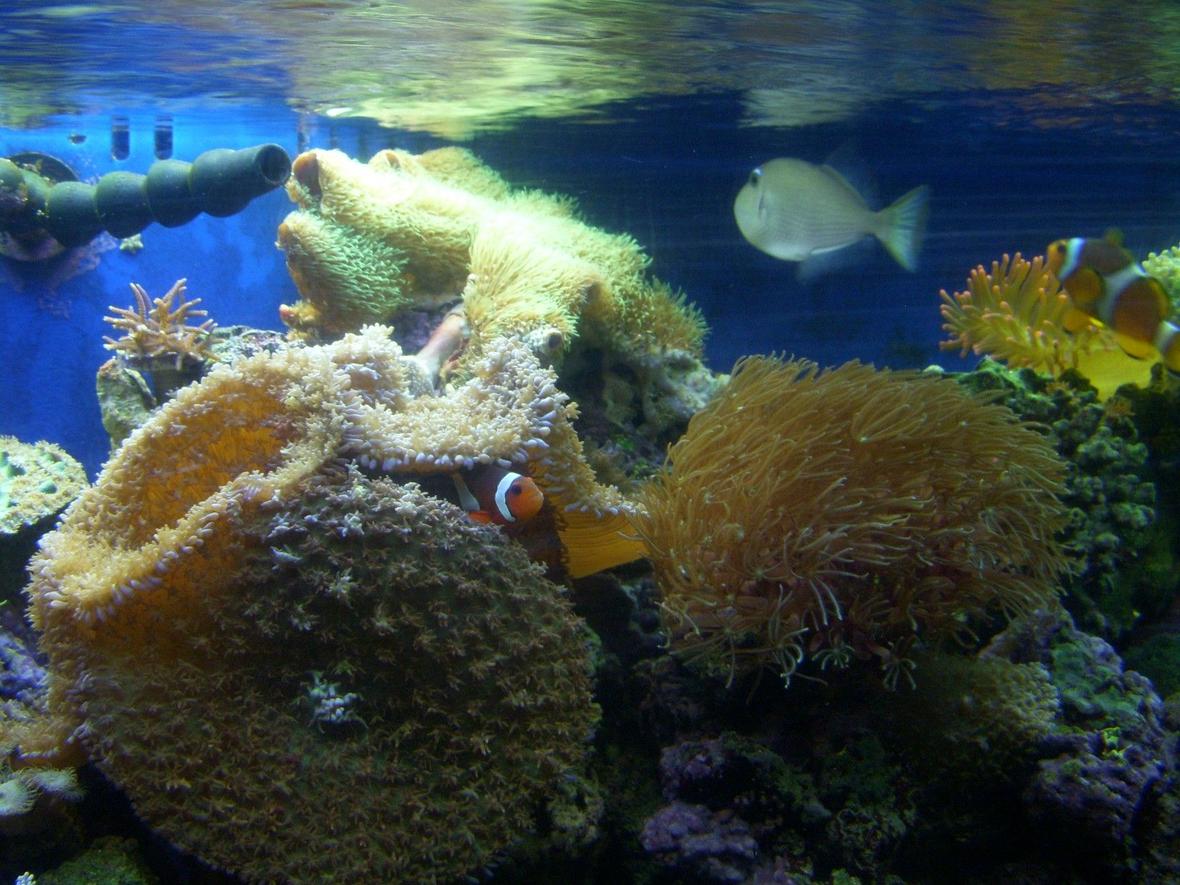
corals inverts - euphyllia paradivisa - frogspawn coral - branched stocking in 150 gallons tank - frogspawn, clownfish
corals inverts - ricordea florida - ricordea mushroom stocking in 150 gallons tank - richorda
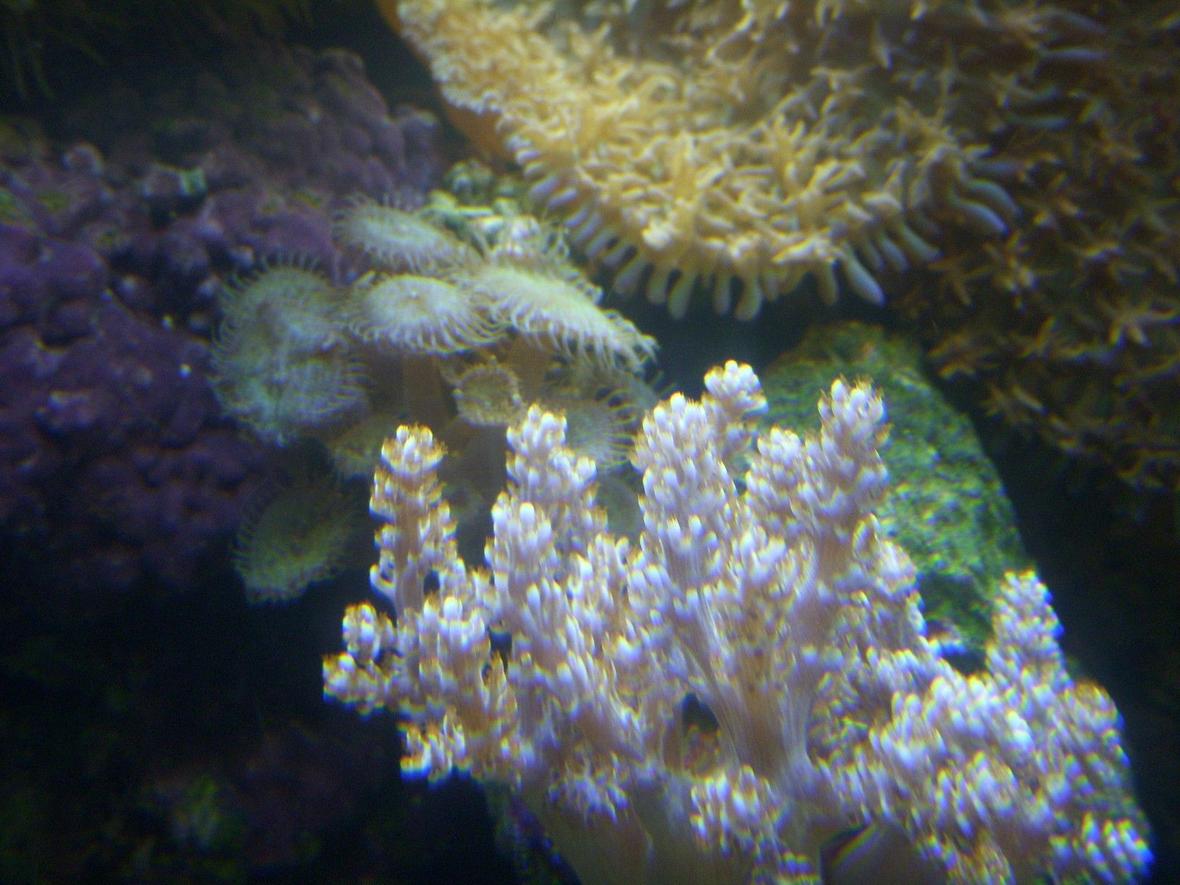
corals inverts - capnella sp. - kenya tree coral stocking in 150 gallons tank - zoo's, kenyi tree coral.
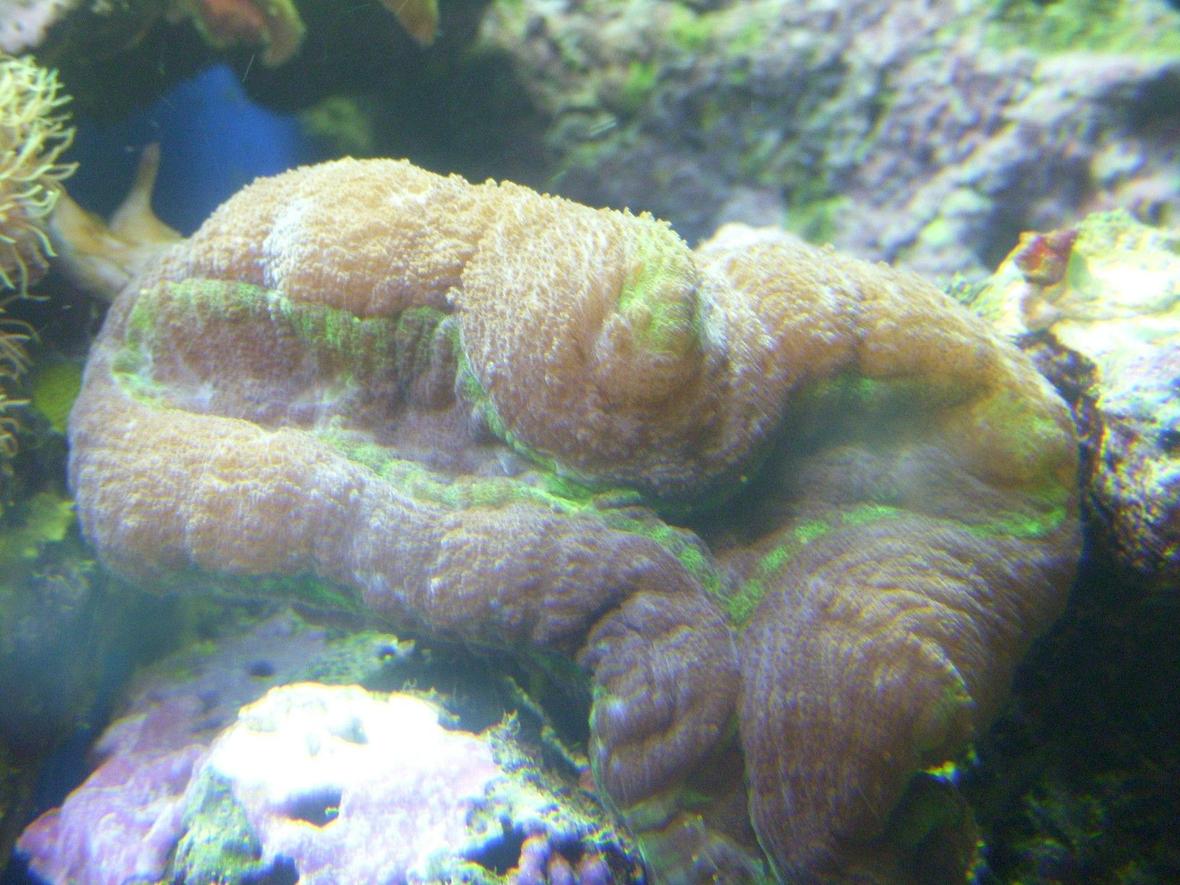
corals inverts - trachyphyllia radiata - brain coral, wellsophyllia stocking in 150 gallons tank - purple and green open brain coral
corals inverts - zoanthus sp. - yellow polyps stocking in 150 gallons tank - richordas, pipe organ coral, birdsnest coral, grass coral, rose bulb Anemones
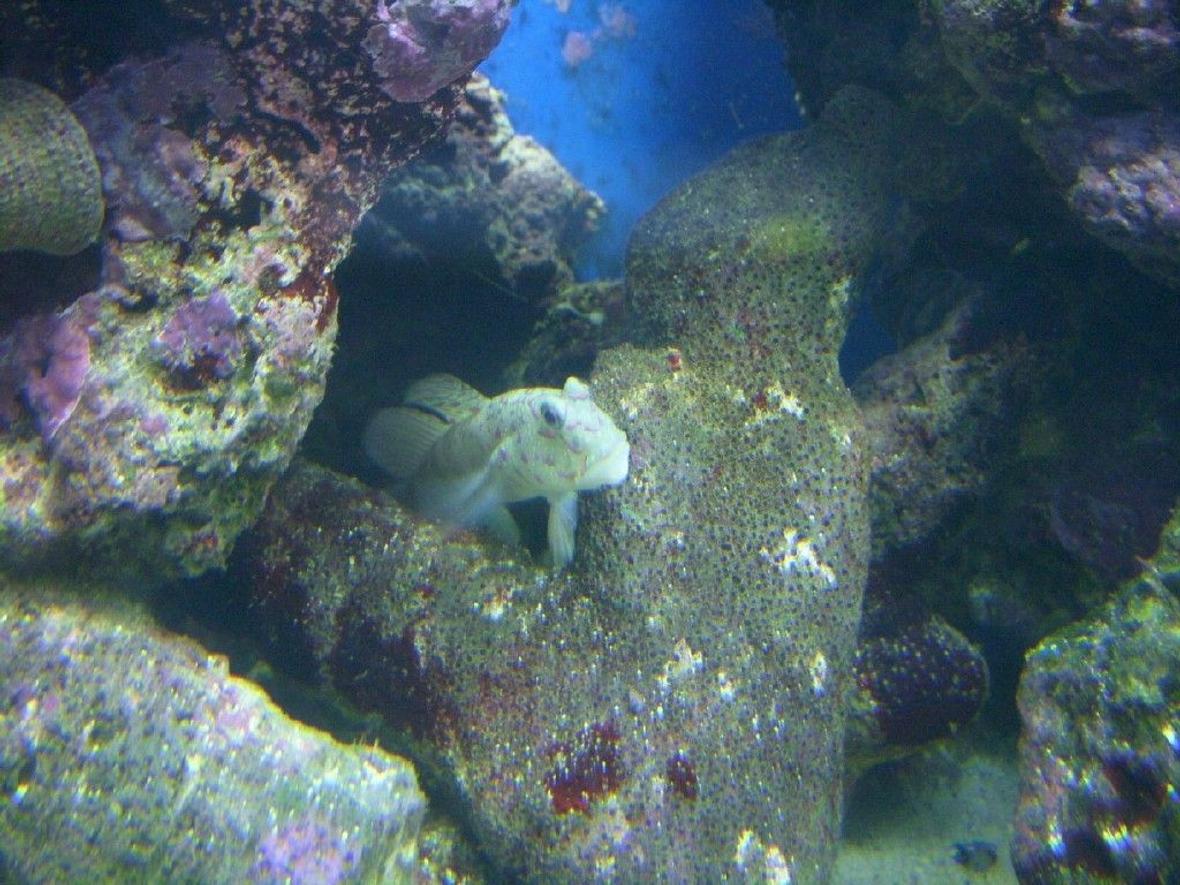
saltwater fish - cryptocentrus leptocephalus - pink spotted watchman goby stocking in 150 gallons tank - Pink Spot Watchman Goby
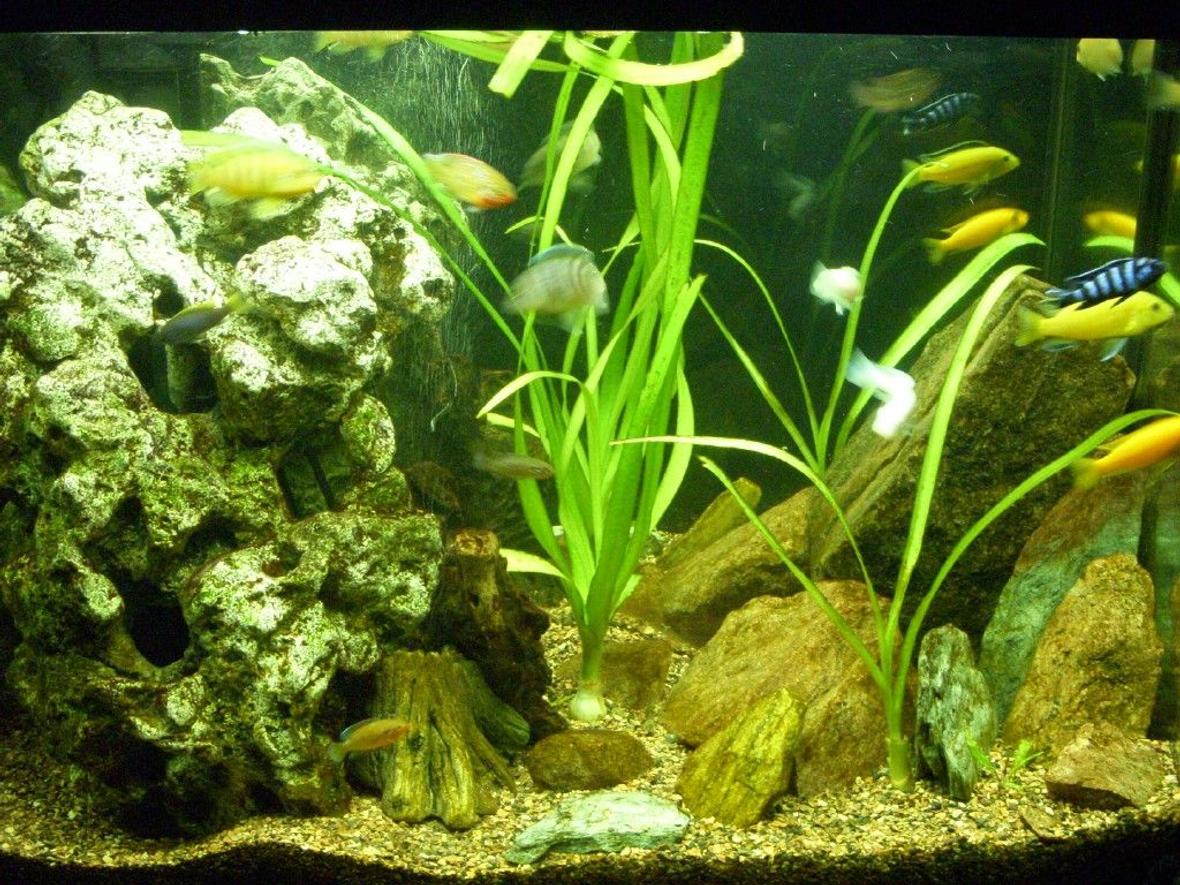
150 gallons freshwater fish tank (mostly fish and non-living decorations) - Cichlid tank-40g discription-30w, flourite gravel plants- onion plants fish- acei 1, electric yellow 1, demonsi 1, kenyi 2, albino socolfi 1, red zebra 2, jewel cichlid babies 4.
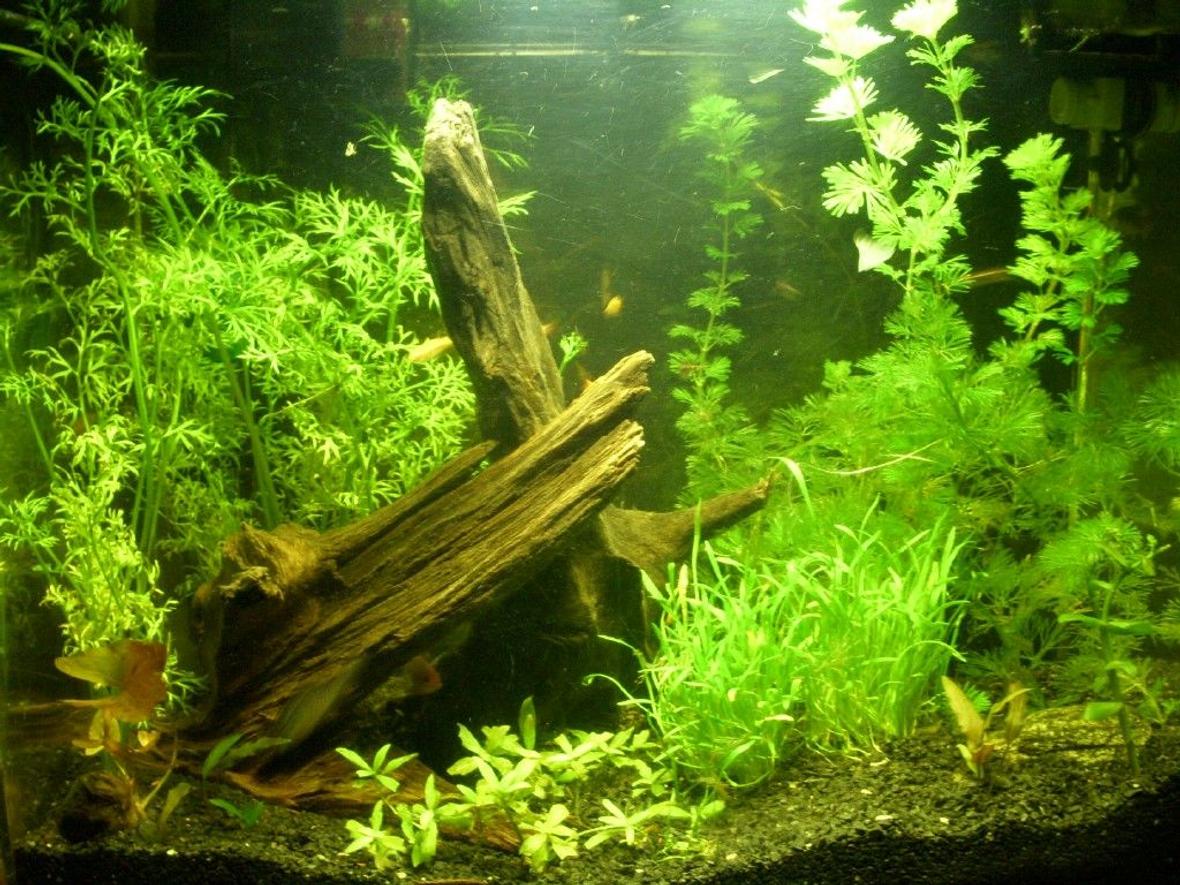
150 gallons planted tank (mostly live plants and fish) - Planted tank-12 gallon Description- 13w compact fluorescent, co2, fluorite black. Plants-Cabomba, water sprite, micro sword, red lotus, Hygrophila, aponogeton ulvaceus, Cryptocoryne wendtii red and green. fish- German blue/gold rams, clouds gold and black, cherry shrimp.

Rank Info

Ranked #1252 out of 2372 corals & inverts pictures worldwide
This picture looks better than 47.22% of pictures in this category
10 1
The Average Score for this picture is: 4.27
This picture has been rated : 11 times.
The Average Score for this category is: 5.06

More Info

State: Colorado
Country: United States
Description: 150 gallon reef tank, x12 65w power compact, Ecosystem sump.
Advice: Find a reliable fish store, and create a good tank mantinance list. Don't have your hands in the water every five seconds!
Fish Kept: blue tang,yellow tang,lavender tang, flame angel, tiger jawfish, hector's goby, pinkspot watchman goby, sixline wrasse, pair of saddleback black clownfish, pair of ocellaris clownfish, koran anglefish.
Corals/Plants: multiple LPS and soft corals.
Tank Size: 150 gallons
Quote: "Tempo Simplex".
About Yourself: This tank has been up and running for 8 years.

COMMENTS

There are no comments on this photo yet.

MOST RECENT ARTICLES

Father Fish–Style Natural Aquariums: What Beginners Should Know
FATHER FISH–STYLE NATURAL AQUARIUMS: WHAT BEGINNERS SHOULD KNOW
Natural aquariums are often described as “set it and forget it,” but the truth is calmer and more practical: you trade constant cleaning for thoughtful setup, steady habits, and time.
Community Fish Compatibility Guide
COMMUNITY FISH COMPATIBILITY GUIDE
Creating a thriving community aquarium is one of the most rewarding aspects of the fish-keeping hobby, but it requires much more than simply picking out the most colorful fish at the local pet store.
Fishless Cycling vs Fish-In Cycling: Which Method Is Best for Your Aquarium?
FISHLESS CYCLING VS FISH-IN CYCLING: WHICH METHOD IS BEST FOR YOUR AQUARIUM?
Setting up a new aquarium is one of the most exciting moments in the fishkeeping hobby—but it’s also where most beginners unintentionally make mistakes that lead to stressed fish, disease outbreaks, or early losses.

READ AQUARIUM ARTICLES