


Rank Info
This picture looks better than 24.83% of pictures in this category
The Average Score for this picture is: 3.55
This picture has been rated : 40 times.
The Average Score for this category is: 4.76
More Info
State:
Pennsylvania
Country:
United States
Description:
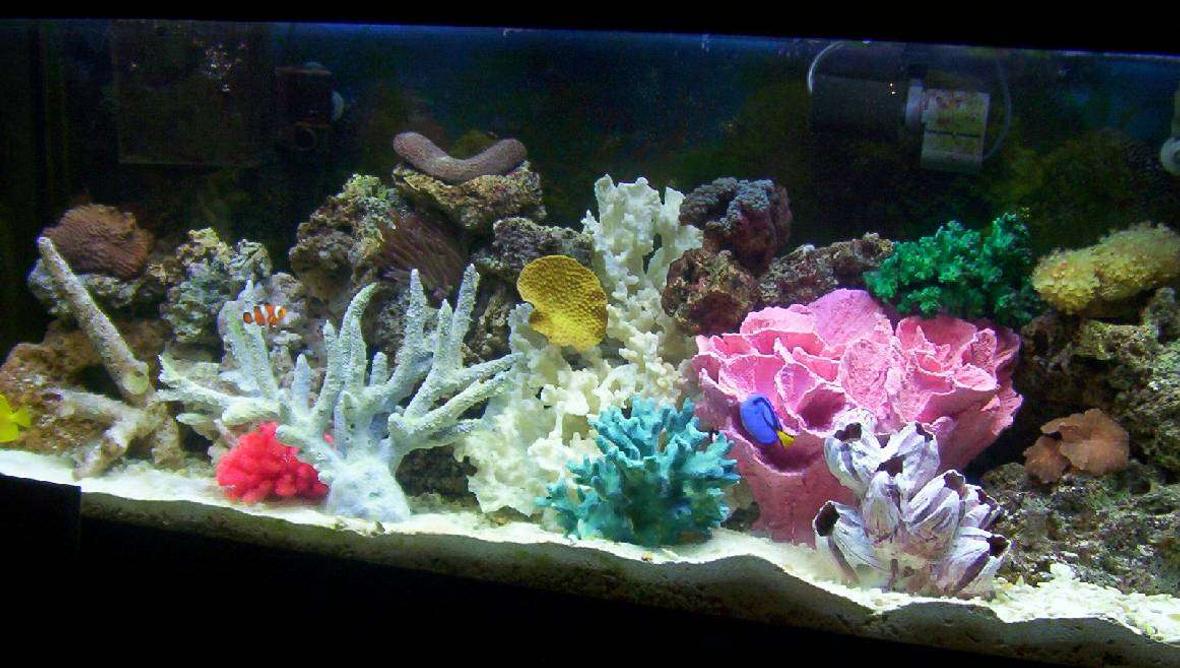
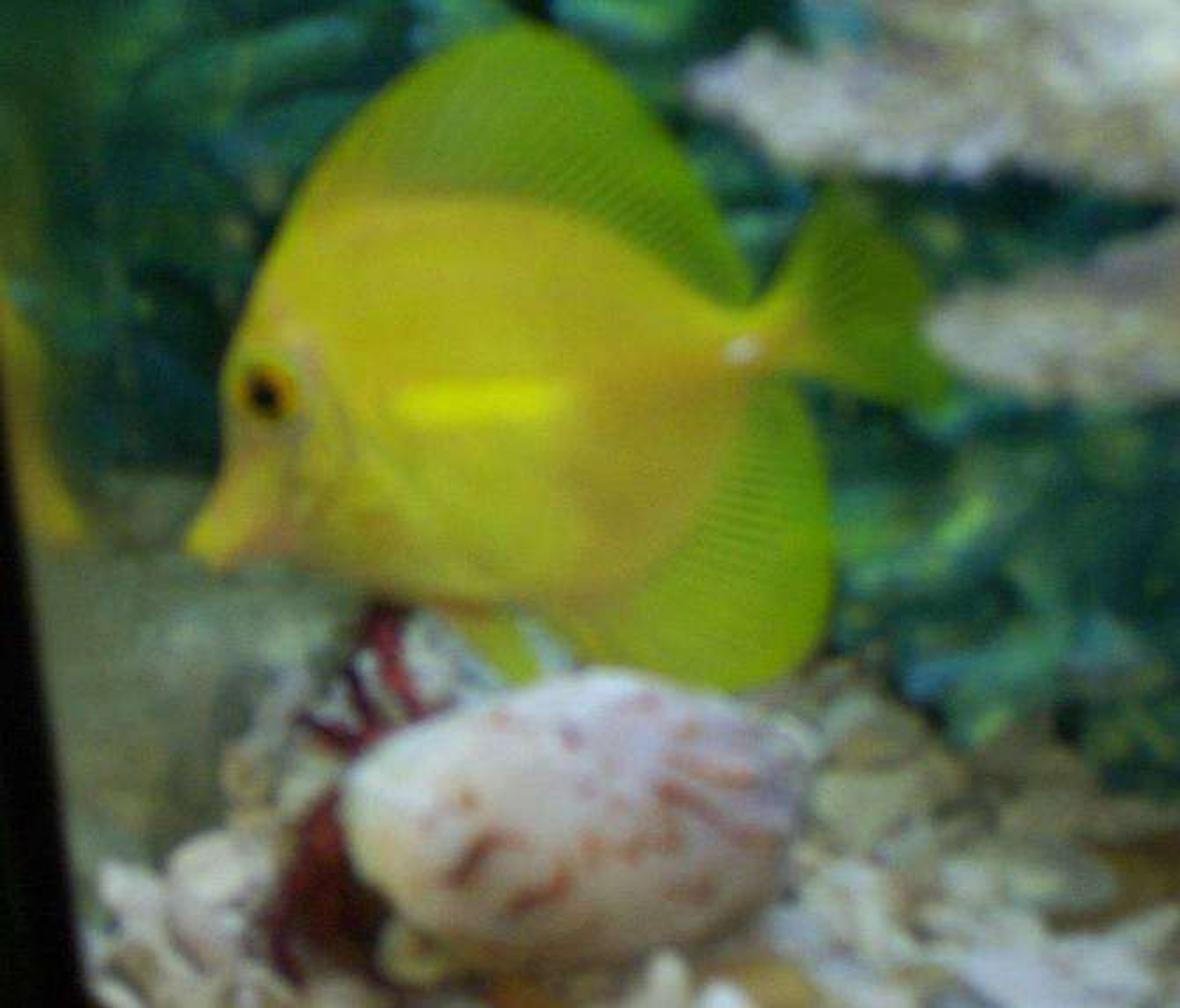
55 gal salt water tank with wet/dry filter, 304 fluval canister filter, a seaclone 150 protein skimmer, 2 power heads, and a heater. I use a light fixture with four 64 watt compact fluorescent lamps and has 2 fans for cooling. The tanks hood has 2 fans that I put in myself.
Advice:
Do as much research, and ask as many questions as possible about the things you plan to do to your tank. It may save you some money.
Fish Kept:
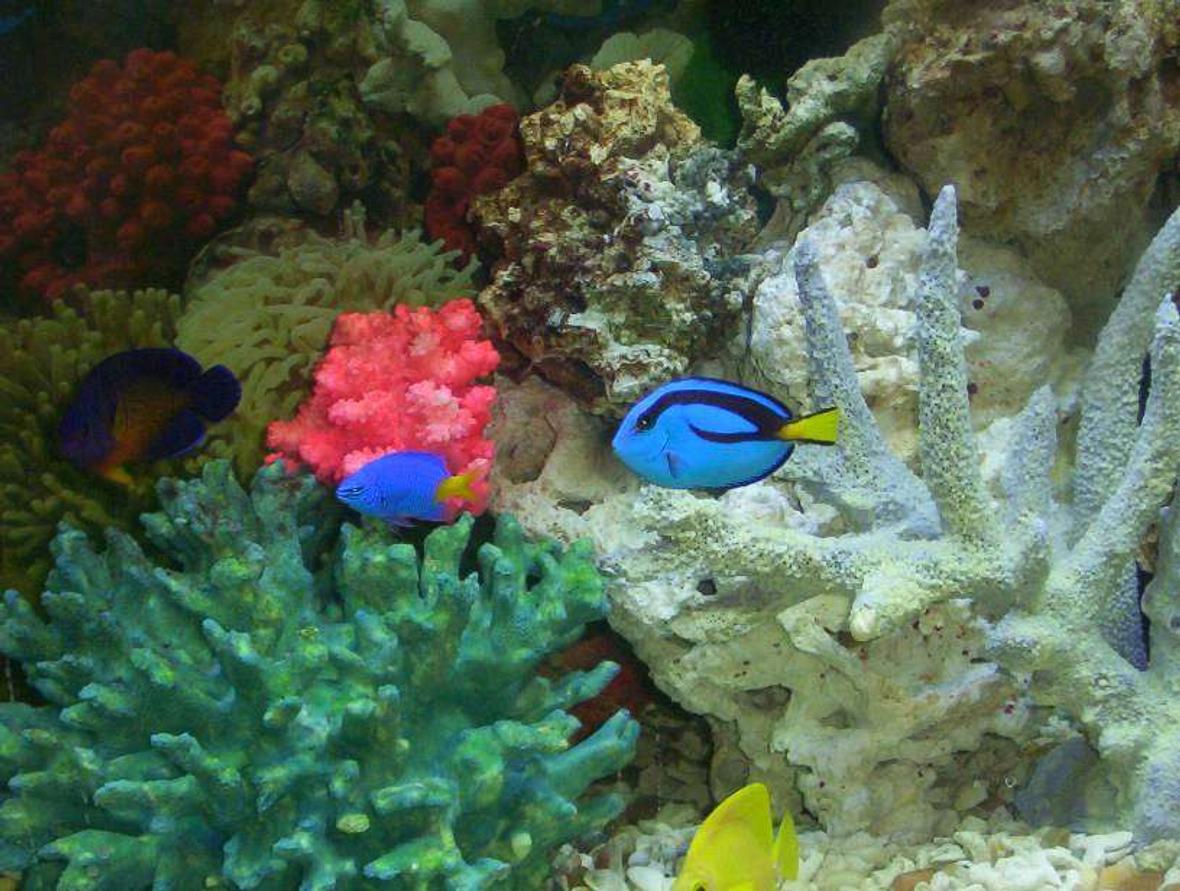
1 yellow tang, 1 blue hippo tang, 1 clown fish. 1 coral beauty and 1 damsel
Corals/Plants:
live rock, some real corals and some fake. I plan to take all fakes out to replace with the real thing.
Tank Size:
55 gallons
Quote:
just do it !
About Yourself:
Just the average joe with wife and kids.
I've kept a tank all my life but i'm fairly new to
salt water tanks.
MOST RECENT ARTICLES

Nuisance algae is an inevitable challenge in any freshwater aquarium, but few things drain the joy of fishkeeping like an unexpected outbreak.

Every aquarium hobbyist, whether a complete beginner establishing a first desktop display or an experienced aquascaper managing a heavily planted setup, eventually comes face-to-face with an unsightly algae bloom.

Every aquarium keeper eventually battles the dreaded nitrate buildup, relying on endless water changes, gravel vacuuming, and heavy filter maintenance to keep water parameters safe for their fish.
COMMENTS