Activated carbon is one of the most commonly used filter media in freshwater aquariums—and also one of the most misunderstood. Many beginners use carbon automatically because it came with their filter, while others avoid it entirely after hearing conflicting advice online. In reality, carbon can be a powerful tool for improving water clarity and quality when used correctly, but it’s not always necessary and isn’t a replacement for good aquarium maintenance. Understanding when and how to use carbon helps aquarists make informed decisions that support healthy fish and stable tanks.
What Is Activated Carbon and How Does It Work?
Activated carbon is a form of carbon that has been processed to create millions of tiny pores, dramatically increasing its surface area. These pores allow carbon to adsorb (not absorb) dissolved organic compounds, chemicals, and impurities from aquarium water.
In a freshwater aquarium, carbon works primarily as chemical filtration. Unlike mechanical filtration, which traps debris, or biological filtration, which processes ammonia and nitrite, carbon removes dissolved substances that would otherwise remain in the water.
Activated carbon is especially effective at removing:
Discoloration from driftwood tannins
Residual medications after treatment
Odors and dissolved organic compounds
Because carbon targets compounds that are invisible to the eye, it often improves water clarity dramatically, even when the tank already looks “clean.” This is why many aquarists notice brighter fish colors and clearer water shortly after adding fresh carbon.
However, carbon has a limited lifespan. Once its pores are filled, it stops working and must be replaced. Leaving exhausted carbon in a filter provides little benefit and can create a false sense of security.
The Benefits of Using Carbon in a Freshwater Aquarium
When used intentionally, activated carbon offers several practical benefits for freshwater aquariums—especially for beginners learning to manage water quality.
One of the most noticeable advantages is improved water clarity. Tanks with driftwood often release tannins that tint the water yellow or brown. Carbon quickly removes these compounds, resulting in crystal-clear water.
Carbon is also extremely useful after medicating fish. Many treatments leave residues that can irritate fish if left in the water. Running fresh carbon after treatment safely removes these chemicals.
In community tanks, carbon helps reduce dissolved organic waste that contributes to odors and long-term water quality decline. This is particularly helpful in moderately stocked aquariums.
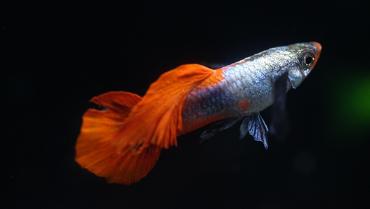
Fish that often benefit from clean, stable water conditions include guppies, platies, neon tetras, and angelfish. While carbon isn’t required for these species, it can support overall tank aesthetics and water quality.
For aquarists still learning the balance between stocking, feeding, and filtration, carbon can act as a short-term safety net—though it should never replace proper care practices.
When Carbon Is Helpful—and When It’s Not Necessary
Despite its popularity, activated carbon is not required in every freshwater aquarium. Many successful tanks operate long-term without it, relying instead on biological filtration and regular water changes.
Carbon is most useful in specific situations rather than as a permanent fixture. For example, tanks with heavy feeding schedules or those housing messy fish may benefit from periodic carbon use to polish the water.
However, planted aquariums often avoid continuous carbon use. Carbon can remove trace elements and fertilizers that aquatic plants rely on, potentially slowing growth or causing deficiencies.
Similarly, aquarists aiming for natural blackwater environments may intentionally keep tannins in the water. In these setups, carbon works against the desired conditions.
Rather than asking “Should I always use carbon?” a better question is “What am I trying to achieve?” Clear water, medication removal, and odor control are valid reasons to use carbon—routine filtration alone is not.
Understanding overall tank balance is key. Articles like freshwater aquarium fish care explain why water changes and biological filtration remain the backbone of aquarium health, regardless of chemical media.
Compatibility and Care Considerations When Using Carbon
Carbon itself is safe for virtually all freshwater fish, but its effects on water chemistry and nutrient availability can influence compatibility and care routines.
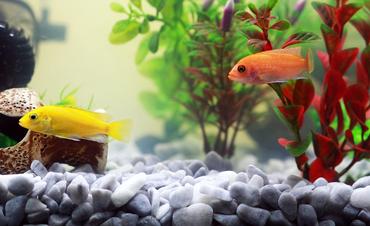
Fish that thrive in very stable, mineral-rich water—such as African cichlids—generally tolerate carbon well, but they don’t require it. Soft-water species like discus or certain tetras may be more sensitive to sudden changes if carbon is added or removed abruptly.
Care considerations include matching carbon use to your maintenance schedule. Replacing carbon too infrequently leads to ineffective filtration, while replacing it too often can become expensive and unnecessary.
Key compatibility and care tips include:
Replace carbon every 3–4 weeks if in continuous use
Remove carbon during medication treatments
Rinse carbon before use to remove dust
Avoid relying on carbon instead of water changes
Carbon does not remove ammonia or nitrite. This is a critical point for beginners. If a tank is overstocked or improperly cycled, carbon will not prevent toxic spikes.
Learning how stocking affects waste production helps aquarists decide whether carbon is necessary. Guides like how many fish your tank can realistically support explain how bioload and filtration capacity are connected.
Common Beginner Mistakes When Using Activated Carbon
One of the most common beginner mistakes is assuming carbon is required at all times. This often leads to neglecting more important tasks, such as water testing and regular water changes.
Another frequent issue is forgetting to replace carbon. Exhausted carbon does not suddenly release toxins back into the water, but it also provides no benefit. Many beginners unknowingly run old carbon for months.
Using carbon during medication is another major error. Carbon removes many medications from the water, making treatments ineffective and prolonging illness.
Some aquarists also use carbon to “fix” ongoing problems like cloudy water or algae without addressing root causes. Carbon can temporarily improve appearance, but it won’t solve overfeeding, overcrowding, or inadequate filtration.
Finally, beginners sometimes replace biological media with carbon. This disrupts beneficial bacteria and can trigger ammonia spikes. Carbon should supplement—not replace—biological filtration.
Understanding the nitrogen cycle helps prevent these mistakes. If you’re still learning this process, how to properly cycle a fish tank explains why biological filtration is irreplaceable.
Real-World Examples of Carbon Use in Freshwater Tanks
In a community tank with driftwood, carbon is often used temporarily to clear tannins after setup. Once the water reaches the desired clarity, carbon is removed and normal maintenance resumes.
After treating ich or bacterial infections, many aquarists run fresh carbon for a week to remove medication residues before returning to regular filtration.
In heavily stocked tanks, carbon may be used intermittently to improve water clarity between water changes, especially when upgrading filtration is not immediately possible.
In contrast, many planted tank keepers avoid carbon entirely, relying on consistent water changes and nutrient management instead.
These examples highlight an important truth: carbon is a tool, not a requirement. Its value depends entirely on how and why it’s used.
Final Takeaway: Is Carbon Right for Your Freshwater Aquarium?
Using carbon in a freshwater aquarium can improve water clarity, remove unwanted chemicals, and support short-term water quality goals—but it is not essential for every tank.
For beginners, carbon works best as a temporary or situational aid rather than a permanent solution. It should never replace proper stocking, consistent water changes, and strong biological filtration.
By understanding what carbon does, when it helps, and how to use it correctly, aquarists can avoid common mistakes and make smarter decisions for their fish.
If you’re refining your filtration setup or troubleshooting water quality issues, explore additional guides on RateMyFishTank.com to deepen your understanding and build a healthier, more stable aquarium.
Whether you’re setting up your very first tank or you’ve been keeping guppies and goldfish for years, ensuring proper aeration is essential to healthy, vibrant aquarium life.
Aquarium keeping is a hobby built around creating a tiny ecosystem inside glass walls—but many hobbyists overlook how much usable material their tanks produce.
Maintaining a thriving freshwater aquarium is about much more than just a beautiful glass box and colorful fish; it is about managing a delicate, invisible ecosystem that exists within your living room.
If you’ve ever been captivated by the lush rivers and flooded forests of the Amazon Basin, setting up an Amazon biotope tank lets you bring a slice of this incredible ecosystem into your home aquarium.
Standing in front of a wall of fish food can feel overwhelming—bright packaging, bold claims, and ingredient lists that read more like a chemistry exam than a feeding guide.
Embarking on the journey of fishkeeping is one of the most rewarding endeavors a nature lover can undertake, offering a unique blend of artistry, biology, and peaceful observation.
he Guppy (Poecilia reticulata) is arguably the most iconic species in the aquarium hobby, often serving as the gateway fish for generations of successful aquarists.
Stepping into the world of live aquatic plants is often the moment a casual fish keeper becomes a true aquarist, transitioning from someone who simply "has fish" to someone who "maintains an ecosystem.
Heating and filtration are two key elements in keeping your aquarium running properly. The articles in this category will help you choose the right heating and filtration system for your tank.
Sponge filters are one of the simplest, safest, and most underrated filtration systems in the aquarium hobby—and the good news is that you don’t need to buy one to enjoy the benefits.
When you first set up your aquarium, whether it’s a freshwater community tank with neon tetras or a saltwater reef with clownfish, one of the most important but often misunderstood aspects of keeping water clear and fish healthy is filter media — the materials inside your filter that help remove waste and keep the water balanced.
Whether you’re setting up your very first tank or you’ve been keeping guppies and goldfish for years, ensuring proper aeration is essential to healthy, vibrant aquarium life.
Stepping into the world of aquarium keeping is an exhilarating journey, but it often brings a wave of technical questions, with the most critical being how to keep your water crystal clear and your fish thriving.
The modern aquarium hobby is often defined by high-tech gadgetry, from pressurized CO2 systems to canisters that look like they belong in a laboratory.
Fish bowls are one of the most recognizable symbols of fishkeeping, often associated with simplicity, minimal effort, and a single fish gently swimming in a clear glass sphere.
Often hailed as the "King of the Aquarium," the Discus (Symphysodon) is a breathtaking centerpiece for any freshwater enthusiast, boasting a majestic saucer-like shape and a kaleidoscopic array of colors and patterns.
Maintaining a thriving aquarium is a labor of love, but even the most diligent hobbyists will eventually encounter a sick fish or a sudden outbreak of disease.
Maintaining a freshwater aquarium is a deeply rewarding journey that brings a slice of nature into your home, but the transition from a simple glass box to a thriving ecosystem requires more than just water and fish.
Embarking on the journey of setting up your first freshwater aquarium is an exhilarating experience that blends art, science, and a touch of nature right in your living room.
Moving from a starter aquarium to a larger setup is one of the most exciting milestones for any hobbyist, representing both a growing passion for the craft and a commitment to the well-being of your aquatic inhabitants.
Starting a freshwater aquarium is exciting, but it can also feel overwhelming when you’re faced with dozens of decisions about tank size, fish choices, equipment, and maintenance.
Selecting your first or even your fiftieth freshwater aquarium is far more than a simple aesthetic choice; it is the most fundamental decision you will make as an aquarist.
There is an undeniable majesty in keeping large freshwater fish, from the prehistoric allure of an Arowana to the puppy-like personality of a large Oscar.
Wall mounted fish tanks have transformed from futuristic novelties into a popular design choice for modern aquarium hobbyists looking to save floor space while adding a living piece of art to their home.
For many beginner aquarists, the prospect of managing a complex nutrient-rich substrate system—complete with root tabs, specialized soils, and the risk of anaerobic gas pockets—can be enough to delay their dreams of a lush, green tank.
If you’re passionate about creating a lush, vibrant planted freshwater tank, choosing the right fish is just as important as selecting the right plants, lighting, and substrate.
Live aquarium plants do far more than make a tank look beautiful—they actively improve water quality, provide shelter for fish, and create a more stable ecosystem.
There is something inherently magical about a lush, vibrant underwater garden, but for many hobbyists, the challenge lies in finding the perfect inhabitants to compliment that greenery.
Building a successful freshwater aquarium often starts with the fish, but it is the lush, green backdrop of live plants that truly brings the ecosystem to life.
Stepping into the world of freshwater aquariums often feels like balancing a delicate ecosystem, and few elements are as critical—yet as frequently misunderstood—as lighting.
Lighting is often the most misunderstood component of a successful aquarium, frequently viewed as merely a way to see your fish better or a decorative lamp for the room.
Mastering the art of aquarium keeping goes far beyond selecting a beautiful tank and vibrant inhabitants; it requires a deep, scientific understanding of the biological requirements that sustain life beneath the surface.
Algae wafers are a staple food for plecos, otocinclus, snails, and other algae-eating aquarium residents—but many hobbyists notice their tank water turning cloudy soon after feeding.
Few sights are more distressing for an aquarium hobbyist than looking into a tank and seeing a beloved fish with a bloated body and scales that stick out like a pinecone.
As the mercury rises and we start reaching for the air conditioning remote, it is easy to forget that our underwater companions are feeling the heat just as much as we are—if not more.
If you’ve ever noticed small shells creeping across your aquarium glass or multiplying on your decorations, you might be dealing with a snail infestation.
Every aquarium hobbyist eventually faces a moment of crisis that requires immediate intervention: a sudden outbreak of aggression between cichlids, an unexpected batch of fry that needs protection, or a sick fish that requires isolation but cannot be moved to a separate hospital tank.
It is the ultimate nightmare for any aquarium owner: you spend an afternoon performing what you think is a helpful, routine water change, only to wake up the next morning to find your prized Discus gasping at the surface or your school of Neon Tetras floating lifelessly.
Setting up a new aquarium is an exercise in excitement and anticipation, but for many beginners, that enthusiasm is quickly dampened by the mysterious "New Tank Syndrome.
Aquarium backgrounds are often treated as an afterthought, but the right background can dramatically improve the look, health, and functionality of a freshwater tank.
Choosing the right substrate for your freshwater aquarium is one of the most critical decisions you will make during the setup process, as it serves as much more than just a decorative floor.
Aquarium decorations are far more than visual extras — they shape how fish behave, reduce stress, and help recreate the natural environments aquatic species rely on.
Transforming a standard glass box into a thriving underwater ecosystem is one of the most rewarding milestones in the aquarium hobby, and nothing achieves this more effectively than the strategic combination of natural driftwood and live plants.
The 10-gallon aquarium occupies a unique and cherished space in the fish-keeping world, serving as the definitive starting point for countless beginners while offering a sophisticated "nano" challenge for seasoned veterans.
Creating a thriving freshwater aquarium is much like hosting a dinner party; the success of the evening depends entirely on whether your guests actually get along.
Freshwater angelfish (Pterophyllum scalare) are one of the most captivating and graceful species in community aquariums, with their tall, flowing fins and curious personalities.
For many years, the aquarium hobby viewed gobies as the exclusive crown jewels of the saltwater world, often associated with colorful reefs and symbiotic relationships with pistol shrimp.
If you’re new to the aquarium hobby or have kept fish for a few years, chances are you’ve heard plenty of advice—some good, some confusing—about Betta fish (Betta splendens).
If you’re diving into the colorful world of freshwater aquariums and want active, charismatic fish that add energy and interest to your tank, few groups deliver like barbs — from the classic Tiger Barb to the dazzling Cherry Barb — but choosing the right barb species for your tank requires more than just picking your favorite color.
If you’ve ever noticed pristine aquarium glass, spotless decorations, or felt mystified by a snail that seems to magically keep your tank algae-free, chances are you’re thinking about nerite snails — one of the most popular grazing snail species in the freshwater and saltwater aquarium hobby.
If you’ve ever visited a pet store or aquarium show you may have noticed a group of tough-looking, algae‑eating fish whisking along the glass and decor — the plecostomus.
If you have ever spent more than five minutes browsing a freshwater fish gallery, you have likely encountered the charming, industrious, and perpetually busy Corydoras catfish.
When aquarium enthusiasts transition from a standard 20-gallon starter kit to a large-scale home aquarium, they often find themselves searching for fish that can truly fill the space with color and movement.
Freshwater shrimp have exploded in popularity over the last decade, evolving from niche cleanup crew members to the absolute stars of the home aquarium.
Cichlids are some of the most fascinating freshwater fish in the aquarium hobby, admired for their intelligence, vibrant colors, and complex behaviors.
The Cichlidae family is arguably the most diverse and captivating group of fish in the aquarium hobby, offering a spectrum of colors, behaviors, and intelligence that rivals the complexity of a coral reef.
Apple snails are often overlooked by beginner and intermediate aquarists, yet these charismatic invertebrates can add fascinating behavior, eye-catching color, and beneficial cleanup activity to your freshwater aquarium.
For decades, catfish have been the unsung heroes of the freshwater aquarium, serving as the backbone of the "cleanup crew" while providing a level of personality and behavioral depth that few other fish can match.
With their shimmering iridescent scales and deliberate, graceful movements, Dwarf Gouramis (Trichogaster lalius) have earned their place as one of the most beloved centerpieces in the freshwater hobby.
Every aquarium hobbyist, from the bright-eyed beginner to the seasoned aquascaper, eventually faces the inevitable "green wall"—the moment when algae begins to claim the glass, rocks, and plants of a carefully curated underwater world.
Red Bellied Pacus are among the most fascinating and rewarding fish for freshwater aquarium enthusiasts, but they’re also fish that come with unique needs and challenges.
There is nothing quite as mesmerizing in the aquarium hobby as a synchronized group of fish moving as a single, shimmering unit across a well-planted tank.
Freshwater crayfish are the rugged, charismatic architects of the invertebrate world, bringing a sense of prehistoric wonder and activity to any home aquarium.
The Wolf Cichlid, known scientifically as Parachromis dovii, is one of the most talked-about freshwater fish in the aquarium hobby, admired for its intelligence and power while simultaneously feared for its aggression and size.
Stepping into the world of reef keeping is often described as the final frontier for the aquarium enthusiast, transforming a standard saltwater setup into a pulsing, glowing, and living tapestry of biological wonder.
Creating a visually stunning aquarium is often compared to painting a living canvas, where the fish serve as the vibrant brushstrokes that bring the underwater landscape to life.
Stocking a freshwater fish tank is one of the most rewarding parts of aquarium keeping—but it’s also where many beginners unknowingly run into trouble.
Often referred to as the Dragon Fish due to their shimmering, armor-like scales and majestic, undulating movements, the Arowana is the ultimate centerpiece for any serious freshwater aquarist.
There is perhaps no sight more captivating in the aquarium hobby than a tight-knit school of iridescent fish moving in perfect unison across a lushly planted backdrop.
For many years, aquarium snails were unfairly labeled as nothing more than "pests" that hitched a ride on live plants and overran tanks with lightning speed.
Raising cichlid fry to maturity can be one of the most rewarding experiences for aquarium hobbyists, offering a firsthand glimpse into the fascinating world of fish development.
For many fishkeepers, the Betta splendens is the gateway fish that sparks a lifelong passion for the hobby, but few beginners realize that the world of Bettas extends far beyond the colorful, long-finned varieties found in local pet stores.
Bala sharks are one of the most striking freshwater fish available to aquarium hobbyists, admired for their torpedo-shaped bodies, shimmering silver scales, and active schooling behavior.
The transition from keeping an aquarium to breeding its inhabitants is one of the most significant leaps a hobbyist can take, marking the shift from being a casual observer to an active participant in the lifecycle of aquatic species.