


Rank Info
This picture looks better than 29.15% of pictures in this category
The Average Score for this picture is: 3.75
This picture has been rated : 12 times.
The Average Score for this category is: 4.72
More Info
State:
Missouri
Country:
United States
Description:
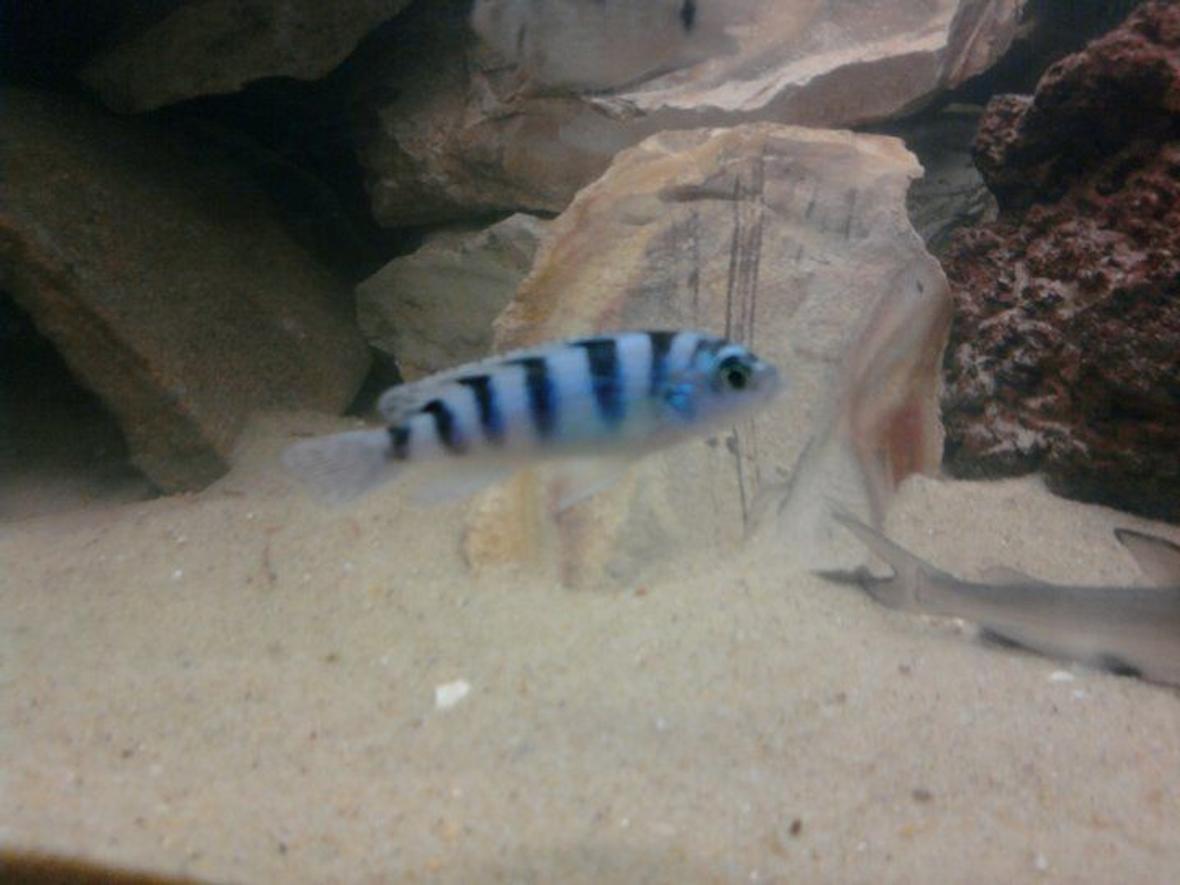
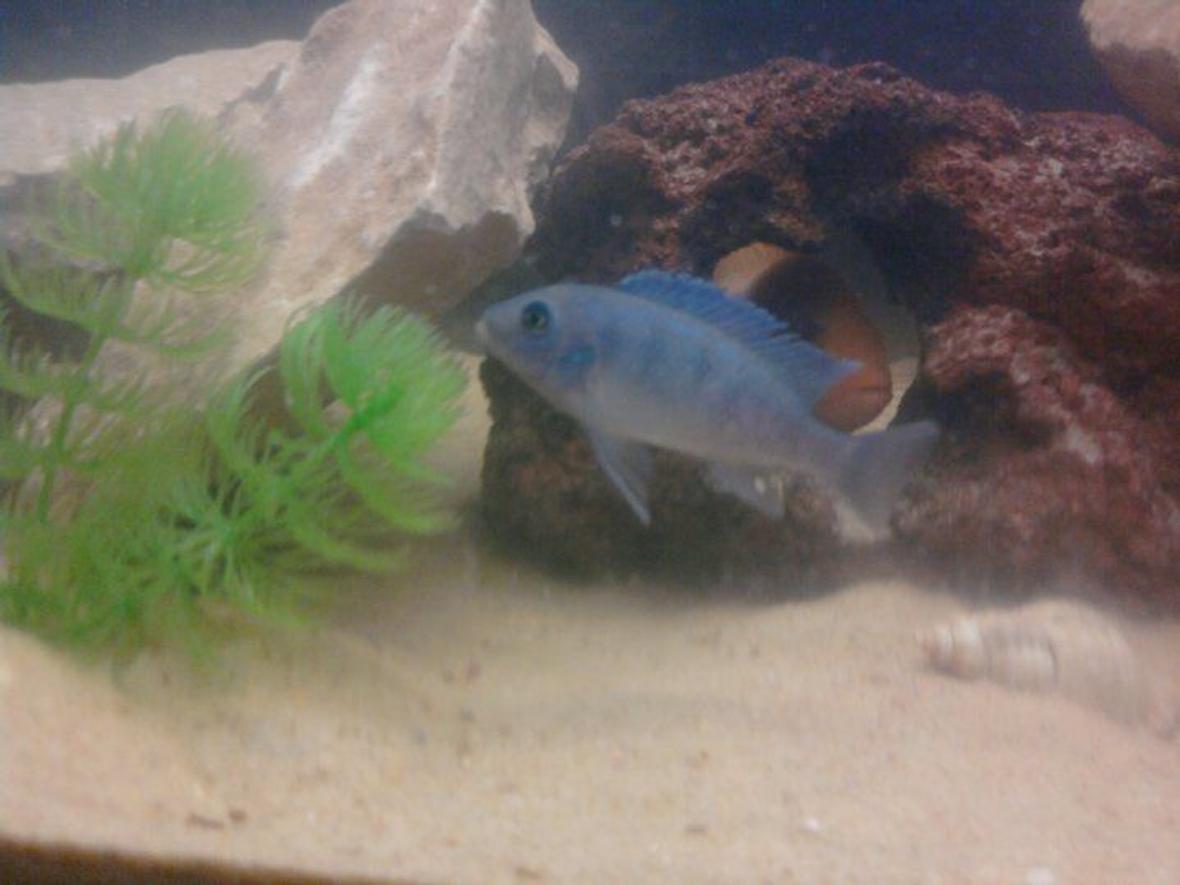
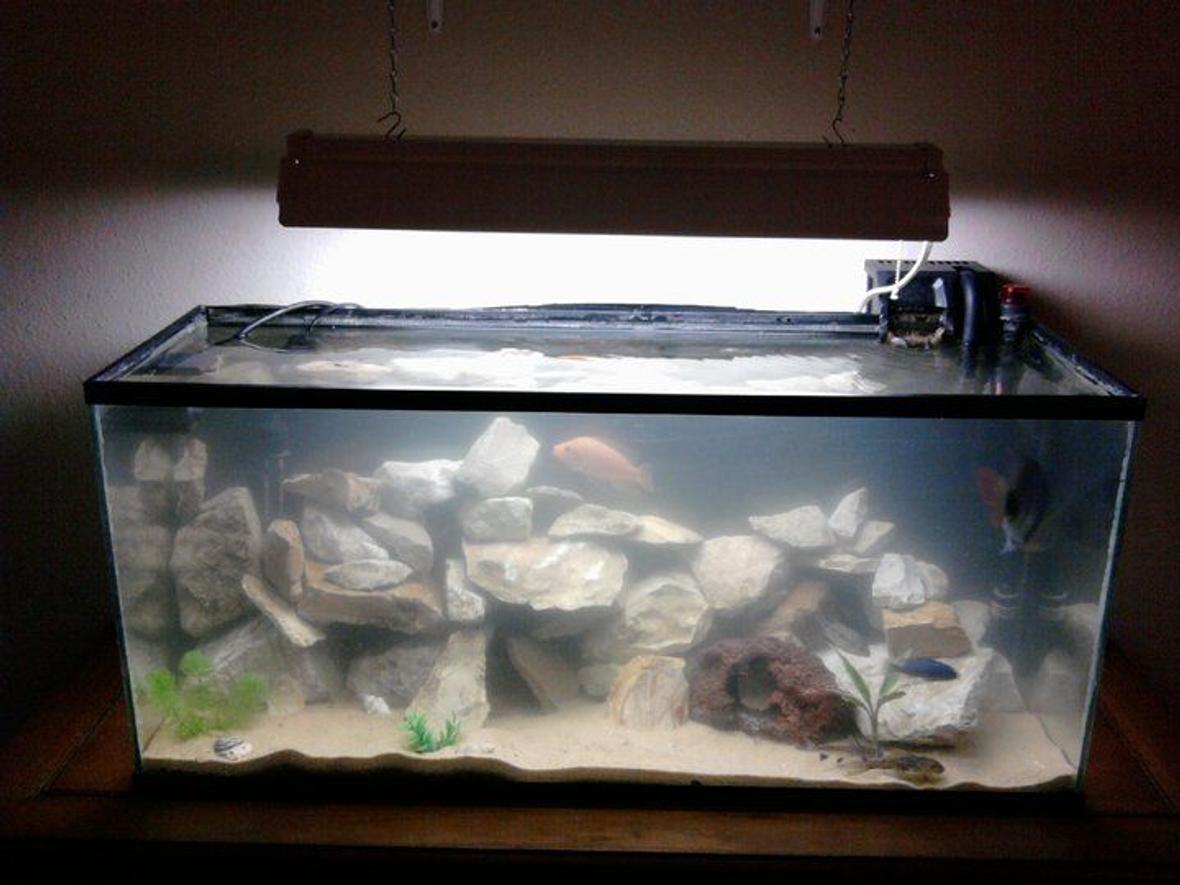
40 gallon cichlid tank. Aragonite substrate and sand bottom, slate biotope environment, 7.8 PH. i run a penguin bio wheel 350 with additional ceramic ring bio media, and a 250 gph bulkhead. Temp consistently at 77-79 degrees.
Advice:
Keep an eye on your waters' parameters, the food you give them, and think about what your fish would like, not what YOU think looks good, and your fish will live a long, healthy life... :)
Fish Kept:
1 Red Devil, 1 Jewel, 2 Convicts, 1 Kenyi, 1 Blue Cobalt, 1 Maingano, 2 tilapia butterkoffrei, 1 Black Fin Shark, 1 Spotted Puffer, 1 OB Peacock
Corals/Plants:
Changes consistently...
Tank Size:
40 gallons
About Yourself:
I LOVE CICHLIDS. I've been raising/ breeding them since around the age of 9. I have a deep passion for saltwater fish as well.
MOST RECENT ARTICLES

Nuisance algae is an inevitable challenge in any freshwater aquarium, but few things drain the joy of fishkeeping like an unexpected outbreak.

Every aquarium hobbyist, whether a complete beginner establishing a first desktop display or an experienced aquascaper managing a heavily planted setup, eventually comes face-to-face with an unsightly algae bloom.

Every aquarium keeper eventually battles the dreaded nitrate buildup, relying on endless water changes, gravel vacuuming, and heavy filter maintenance to keep water parameters safe for their fish.
COMMENTS