CHOOSING A FRESHWATER AQUARIUM SUBSTRATE

The Fundamental Types of Freshwater Substrates
When you walk into a local fish store, the sheer variety of bags on the shelf can be overwhelming. Most freshwater substrates fall into three primary categories: gravel, sand, and complete plant substrates. Each has a distinct physical profile and chemical impact on the water column.
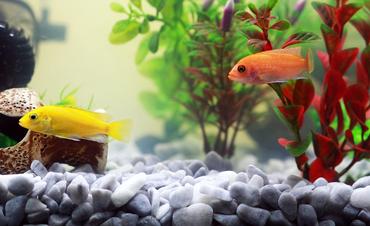
Standard Aquarium Gravel: This is the most traditional choice for beginners. It typically consists of small, smooth stones ranging from 2mm to 5mm in diameter. Gravel allows for excellent water flow between the stones, which prevents "dead zones" where toxic gases like hydrogen sulfide can build up. However, gravel is "inert," meaning it provides no nutrients to plants and can be difficult for certain bottom-dwelling species to navigate.
Aquarium Sand: Sand provides a natural, riverbed look and is essential for specific species. Because the grains are so fine, waste sits on top of the sand rather than sinking into it, making it easier to spot-clean. The downside is that sand can pack down tightly over time. This compaction can restrict oxygen flow to plant roots, leading to root rot if not managed correctly. Common types include pool filter sand (affordable and clean) and specialized aragonite sand (which raises pH—ideal for African Cichlids but not community tanks).
Active Plant Substrates (Aquasoils): Often referred to as "aquasoils," these are nutrient-rich pellets made of baked volcanic ash or clay. They are designed specifically for high-tech planted tanks. These substrates are "active" because they interact with the water chemistry, usually lowering the pH and KH (carbonate hardness) to create an acidic environment that tropical plants love. While excellent for growth, they are the most expensive option and may leach ammonia during the first few weeks of use, requiring a longer "cycling" period before fish can be added.
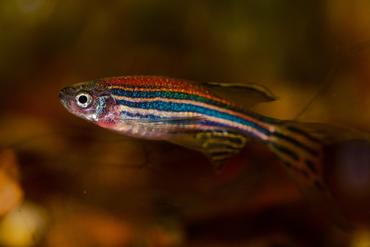
Before making a purchase, consider the primary goal of your tank. If you are focused on maintaining a healthy freshwater aquarium with hardy fish like Danios or Tetras and plastic decorations, standard gravel is perfectly sufficient. If you want a carpet of green plants, you will likely need to invest in a specialized soil or a sand-soil cap method.
Matching Substrate to Your Fish Species
One of the biggest mistakes beginners make is choosing a substrate based solely on color without considering the biological needs of their livestock. Some fish have physical traits that make certain substrates dangerous or stressful. To ensure your fish thrive, you must match the floor of the tank to their natural behavior.
- Bottom Dwellers and Sifters: Fish like Corydoras catfish, Khuli Loaches, and various species of Geophagus spend their entire lives touching the substrate. They have delicate barbels (whiskers) that they use to find food. Sharp-edged gravel can tear these barbels, leading to secondary bacterial infections. For these species, a fine, smooth sand is non-negotiable.
- Cichlids and Diggers: Many African and South American Cichlids are notorious for "redecorating" their tanks. They will pick up mouthfuls of substrate and move them to create nests or territories. Sand or very small, smooth gravel is best for these active diggers to prevent mouth injuries. If the substrate is too heavy, they won't be able to engage in this natural behavior.
- Goldfish: These "water puppies" are constantly scavenging. They will often pick up gravel and spit it back out. If the gravel is a specific size (usually around 5-10mm), it can actually get lodged in a goldfish's throat. For goldfish, many hobbyists prefer either very large river stones that cannot be swallowed or fine sand that passes through easily.
- Invertebrates: Freshwater shrimp, such as Cherry Shrimp or Crystal Red Shrimp, often prefer specialized active substrates that help buffer the water to a slightly acidic pH. Furthermore, darker substrates often make the vibrant colors of shrimp pop more vividly against the background, and the texture of aquasoils provides a surface for biofilm to grow, which shrimp graze on constantly.
Choosing a substrate that contrasts with your fish's color can also enhance your viewing experience. For example, Neon Tetras look stunning over dark black substrate, while darker fish like Black Ghost Knifefish are better viewed against a lighter tan sand.
The Science of Plant Growth: Rooting for Success
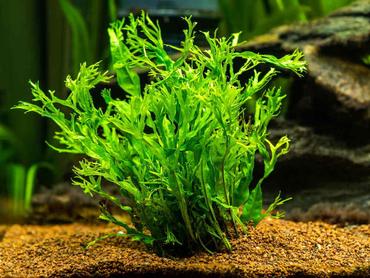
If you plan on keeping live plants, your substrate choice becomes your "foundation" for success. Plants can be divided into two categories: water column feeders (like Anubias and Java Fern) and root feeders (like Amazon Swords, Cryptocorynes, and Vallisneria).
Root feeders require a substrate that can hold and provide nutrients. Inert substrates like plain gravel or silica sand provide zero nutritional value. If you use these, you must supplement with "root tabs"—small fertilizer spikes buried near the plant. Without these, your plants will eventually turn yellow and die back as they exhaust the nutrients in the water. This is a common point of failure for beginners who buy beautiful plants but plant them in "dead" gravel.
Specialized aquasoils have high Cation Exchange Capacity (CEC). This is the substrate's ability to hold onto positively charged nutrients (like potassium, calcium, and magnesium) and deliver them to plant roots. Even if you add liquid fertilizer to the water, a high-CEC substrate will "grab" those nutrients and store them. While these are the gold standard for growth, they do break down over 2-3 years into a silty consistency, eventually requiring a "re-scape."
For a budget-friendly intermediate approach, many hobbyists use the "Walstad Method" or a "dirted" tank. This involves a layer of organic potting soil (free of chemical fertilizers) at the bottom, capped with an inch of sand. This provides massive amounts of nutrients at a low cost, though it can be messy if you decide to pull plants up by the roots, as the soil can plume into the water column.
Compatibility and Long-Term Care Considerations
Maintaining your substrate is just as important as choosing it. A neglected substrate can become a breeding ground for harmful bacteria and anaerobic pockets. Understanding the importance of water changes and vacuuming is essential to long-term success.
The Gravel Vacuuming Technique: With gravel, waste (detritus) falls into the gaps between the stones. You must use a siphon vacuum during every water change to "churn" the gravel. By thrusting the vacuum into the stones, you lift the lighter waste into the tube while the heavier gravel falls back down. Failure to do this leads to high nitrate levels and "old tank syndrome."
Sand Maintenance Challenges: You cannot vacuum sand the same way you vacuum gravel, or you will simply suck the sand out of the tank. Instead, hover the nozzle about half an inch above the sand surface. Create a swirling motion to lift the fish waste into the siphon. To prevent "gas pockets" (anaerobic zones), occasionally stir the sand with a chopstick or use Malaysian Trumpet Snails, which naturally burrow and aerate the sand for you.
The "Mini-Cycle" Danger: Changing your substrate in an established tank is a high-risk operation. The substrate houses a significant portion of your beneficial bacteria (Nitrosomonas and Nitrobacter) that convert toxic ammonia into nitrate. If you remove all your substrate at once, you may crash your nitrogen cycle. If you must switch, do it in halves over a period of several weeks, or monitor your water parameters closely and be prepared for daily water changes.
Aesthetic Longevity: Light-colored substrates, especially white sand, show every speck of fish waste and algae. If you aren't prepared for a high-maintenance cleaning schedule, consider a "salt and pepper" sand mix or a natural tan color which hides debris much better. Over time, white sand can also turn green or brown from diatoms and algae, which can be difficult to scrub off without removing the sand entirely.
Common Beginner Mistakes and How to Avoid Them
Even with the best intentions, it is easy to fall into common traps when selecting and installing your substrate. Avoiding these errors will save you time, money, and frustration.
- Failing to Rinse: Most substrates (except for certain "live" sands or specific aquasoils) are incredibly dusty. If you pour them straight into the tank, your water may remain cloudy for days. Use a five-gallon bucket and a garden hose to rinse the material until the water runs clear. This is especially true for sand, which can contain fine silts that clog filters.
- Using Artificially Colored Gravel: While neon blue or pink gravel can be fun for a child's tank, be wary of low-quality brands. Some cheap coatings can chip off over time or leach chemicals into the water. Furthermore, bright colors can stress out shy fish species who prefer a natural environment to feel camouflaged.
- Depth Issues: Too little substrate won't hold plants down; too much can lead to massive anaerobic zones. Aim for a depth of 2 to 3 inches. If you want a "slope" for visual depth (making the tank look deeper from front to back), make the substrate shallower in the front and deeper in the back.
- The "Brazil Nut" Effect: If you try to layer large gravel over fine sand without a physical barrier, the sand will eventually settle to the bottom and the gravel will rise to the top. This ruins the aesthetic. If you want a mixed look, use large decorative stones to create "borders" between different substrate zones.
For more advice on starting your journey, check out our guide on freshwater aquarium setup to ensure every component of your tank works in harmony.
Advanced Considerations: Substrate Additives and Buffering
Intermediate hobbyists often look beyond just the "base" substrate and explore additives that can enhance the biological and chemical performance of the tank floor. These are particularly useful if you are using an inert substrate like sand but want the benefits of a high-tech system.
Laterite and Vermiculite: These are clay-based additives that can be placed in a thin layer at the very bottom of the tank before adding gravel or sand. They provide an incredible source of iron and help increase the Cation Exchange Capacity of an otherwise inert floor. This is a "pro tip" for growing heavy-rooting plants like Amazon Swords in a sand-based tank.
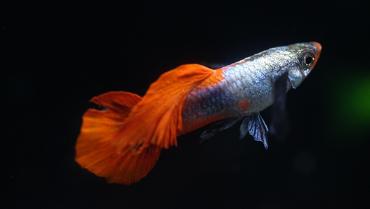
Crushed Coral and Shell Grit: If you live in an area with very soft water but want to keep fish that prefer hard water (like Guppies, Mollies, or African Cichlids), you can mix a small amount of crushed coral into your substrate. This will slowly dissolve over time, leaching calcium and carbonates into the water, which raises the pH and hardness naturally. However, be careful—once added, it is very difficult to remove without tearing down the tank.
Peat Moss: Conversely, some hobbyists use a bottom layer of aquarium-safe peat moss to lower the pH and release tannins. This mimics "blackwater" environments like the Amazon River. This is excellent for Discus or Wild Bettas, but it will tint your water a tea-like color, which may not be the aesthetic every hobbyist desires.
Summary: Setting the Foundation for Success
Choosing a freshwater aquarium substrate is a balance of form and function. While it is tempting to pick the first bag that looks good, taking the time to consider the needs of your fish and plants will result in a much more successful hobby experience. Sand is the champion for bottom-dwellers and natural aesthetics, gravel offers ease of maintenance and great oxygenation, and specialized soils are the engine behind thriving underwater gardens.
A well-chosen substrate is an investment in the longevity of your aquarium. It supports your plants, keeps your fish comfortable, and acts as a massive secondary filter for your beneficial bacteria. Before you make your final choice, visualize your "dream tank" three months from now. If that vision includes rooting plants and Corydoras, go with a high-quality sand or a capped soil system. If you want a low-maintenance community tank with easy-to-clean flooring, gravel is your best friend.
Once your substrate is in place, the rest of your ecosystem can begin to grow. We encourage you to explore our other articles on filtration, lighting, and stocking to complete your perfect aquarium build. Your fish will thank you for the extra effort you put into their foundation!

MOST RECENT ARTICLES