WATER TESTING IN YOUR FRESHWATER AQUARIUM

The Science of Survival: Why Water Testing is Your Most Vital Tool
In a natural environment, such as a river, lake, or stream, massive volumes of water provide a buffer that dilutes fish waste and organic debris. In a home aquarium, we are dealing with a closed system—a tiny fraction of the water found in nature. Every pinch of flake food, every piece of decaying plant matter, and every waste product from your fish remains in that glass box until it is either processed by beneficial bacteria or manually removed through a water change. Without regular testing, you are essentially flying blind, unable to see the chemical shifts that occur daily within the water column.
A common beginner mistake is assuming that "clear water" equals "clean water." Unfortunately, the most toxic components of aquarium water—ammonia and nitrite—are completely colorless and odorless. By the time your fish show physical signs of distress, such as gasping at the surface, clamped fins, or red, inflamed gills, the internal damage to their organs may already be irreversible. Consistent testing allows you to catch spikes in toxins before they reach lethal levels, acting as an early warning system for your biological filter's health.
- Disease Prevention: Poor water quality is the primary cause of opportunistic infections. When a fish is stressed by high nitrates or fluctuating pH, its immune system weakens, making it susceptible to parasites like Ich or bacterial infections like Fin Rot.
- Monitoring the Nitrogen Cycle: Testing is the only way to confirm that your "beneficial bacteria" colonies are functioning. Without a test kit, you cannot truly know when a new tank is safe for its first inhabitants.
- Long-term Stability: Tracking trends over several months helps you understand the specific "metabolism" of your tank. Every aquarium has a different bioload and plant density, and testing helps you tailor your maintenance schedule to those unique needs.
The Big Five: Essential Parameters Every Hobbyist Must Understand
To the uninitiated, aquarium chemistry can seem like a daunting chemistry class. However, for the beginner and intermediate hobbyist, there are five key parameters that dictate the health of a freshwater tank. Understanding what these numbers mean—and how they interact—is the first step toward becoming an expert keeper.
Ammonia (NH3/NH4)
Ammonia is the primary waste product excreted by fish through their gills and waste. It also results from the breakdown of uneaten food and rotting organic matter. Ammonia is highly toxic; in an established, "cycled" aquarium, the ammonia reading should always be 0 ppm (parts per million). Even low levels, such as 0.25 ppm, can cause chemical burns on a fish's gills and skin, leading to long-term respiratory issues. If you see your fish "gasping" or hanging out near filter outlets, ammonia is the first thing you should check.
Nitrite (NO2)
As beneficial bacteria (Nitrosomonas) break down ammonia, they produce nitrite. While it is the second step of the nitrogen cycle, it is no less dangerous. Nitrite enters the fish's bloodstream and binds with hemoglobin, preventing the blood from carrying oxygen—a condition often called "brown blood disease." Like ammonia, the goal for nitrite is always a strict 0 ppm. If you detect nitrite, it is a sign that your biological filter is struggling to keep up with the waste load.
Nitrate (NO3)
Nitrate is the final byproduct of the nitrogen cycle, produced by the bacteria (Nitrobacter) that consume nitrite. Nitrate is significantly less toxic than its predecessors, but it is not harmless. High levels of nitrate—typically over 40 ppm—can stunt the growth of young fish, reduce fertility, and encourage massive, unsightly algae blooms. Unlike ammonia and nitrite, which are processed by bacteria, nitrate is primarily removed through regular water changes and uptake by live plants. Keeping nitrates between 5 ppm and 20 ppm is generally considered the "sweet spot" for a healthy community tank.
pH (Potential of Hydrogen)
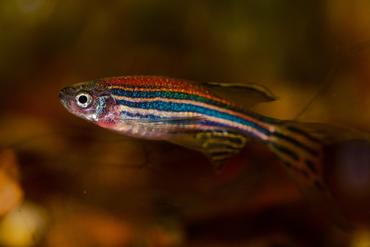
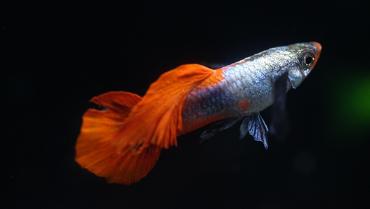
The pH scale measures how acidic or alkaline your water is, ranging from 0 to 14. A neutral reading is 7.0. Most common community fish, such as Neon Tetras, Guppies, and Zebra Danios, prefer a stable pH between 6.5 and 7.5. However, the most important rule of pH is stability. It is much better for a fish to live in a "non-ideal" but stable pH of 8.0 than to experience a rapid swing from 7.0 to 8.0 in a single day. Rapid pH shifts cause osmotic shock, which can be fatal to sensitive species.
Hardness (GH and KH)
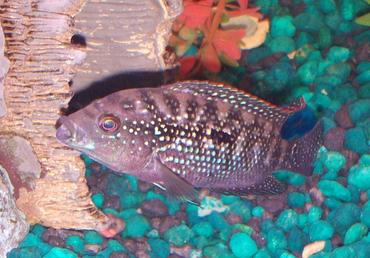
General Hardness (GH) measures the concentration of calcium and magnesium ions in the water. Some fish, like Discus, come from very soft water (low GH), while others, like African Cichlids, require hard water (high GH) to maintain their health. Carbonate Hardness (KH), or alkalinity, measures the "buffering capacity" of the water. KH acts as a shield for your pH; if your KH is too low, your pH can crash suddenly, which often leads to total tank failure.
Choosing Your Tools: Liquid Kits vs. Test Strips
When you walk into a local fish store or browse online, you will encounter two main types of testing equipment. Selecting the right one is about balancing convenience with accuracy. Many beginners start with test strips because they are fast and inexpensive, but as you progress into the intermediate stages of the hobby, you will likely find yourself reaching for liquid reagent kits.
Test Strips: These are "dip and read" strips. They are incredibly convenient for a quick daily check. However, they are prone to inaccuracies if they are not stored perfectly. Humidity can ruin a whole bottle of strips, and the color gradients can be difficult to distinguish. They are best used as a "smoke detector"—a quick way to see if something is drastically wrong.
Liquid Reagent Kits: The API Master Test Kit is a staple in the hobby for a reason. These kits require you to fill a test tube with tank water and add drops of chemical reagents. While they take a few more minutes to complete, they are far more precise and offer a better cost-per-test value over the long run. This precision is especially critical when cycling a new aquarium, where you need to see the exact moment ammonia begins to drop and nitrite begins to rise.
Digital Testers: For the tech-savvy hobbyist, digital pH pens and TDS (Total Dissolved Solids) meters provide instant digital readouts. While highly accurate, they require regular calibration using buffer solutions to remain reliable. They are excellent for keepers of high-end shrimp or sensitive Discus where water precision is non-negotiable.
Compatibility and Care: Tailoring Water to Your Inhabitants
One of the most profound realizations for an intermediate hobbyist is that you cannot keep every fish in the same water. Different species have evolved over millions of years to thrive in specific chemical environments. Trying to keep a soft-water-loving Cardinal Tetra in the same high-pH, hard-water environment as a Lake Malawi Cichlid is a recipe for chronic stress and shortened lifespans.
Before buying fish, test your tap water. If your water is naturally hard (high GH and pH), you will find much more success keeping species like:
- Mollies and Platies: These livebearers flourish in mineral-rich water.
- Guppies: Known for their color, they are much hardier in alkaline conditions.
- African Cichlids: Species from the Rift Lakes require high hardness to display their best colors and breeding behaviors.
Conversely, if you have naturally soft, acidic water, you are perfectly set up for:
- South American Tetras: Including Neons, Rummy Noses, and Bleeding Hearts.
- Corydoras Catfish: These peaceful bottom dwellers prefer softer substrates and lower pH.
- Angelfish: While widely bred, they still prefer the slightly acidic conditions of their ancestral Amazonian waters.
When adding new fish, always remember that the water in the fish store's bag is likely different from your tank's water. You must acclimatize your fish properly using the drip method or the "float and scoop" method to ensure the transition in pH and temperature doesn't shock their systems. Testing the bag water for ammonia is also a smart move, as ammonia can build up quickly in a small transport bag.
Common Pitfalls: Beginner Mistakes and How to Avoid Them
Even with a test kit in hand, it is easy to misinterpret the data or react in a way that causes more harm than good. Here are some of the most common "red flags" to watch out for in your testing routine.
1. Chasing the "Perfect" pH: Beginners often see a pH of 7.8 and panic because their book said 7.0 is ideal. They then buy "pH Down" chemicals. These chemicals often cause the pH to drop and then bounce back up within hours. This "yo-yo" effect is much more dangerous than a stable, slightly high pH. Only attempt to change pH through natural means, like adding driftwood (to lower it) or crushed coral (to raise it).
2. Over-cleaning the Filter: If you test your water and suddenly see an ammonia spike in an old tank, you may have "crashed" your cycle. This often happens when a hobbyist rinses their filter media in chlorinated tap water, killing the beneficial bacteria. Always rinse sponge filters in a bucket of used tank water during your water change to preserve the biological colony.
3. Testing Immediately After a Water Change: If you test your water five minutes after adding a dechlorinator and new water, your results might be skewed. Give the tank at least an hour to circulate and reach an equilibrium before running your tests for the most accurate snapshot of the environment.
4. Forgetting the "Source" Water: Sometimes, the problem isn't your tank—it's your tap. Some municipal water supplies contain trace amounts of ammonia or high levels of phosphates. If your nitrate levels are always high despite constant water changes, test your tap water. You may need to use a specialized filter or a different water conditioner to address the issues at the source.
Advanced Troubleshooting: Managing the "Silent Killers"
As you move into the intermediate level of fishkeeping, you may encounter more complex scenarios. For example, if you have a heavily planted tank, you might notice that your pH fluctuates between the morning and the evening. This is due to the "Photosynthesis Cycle." During the day, plants consume CO2 (which is acidic), causing the pH to rise. At night, they release CO2, causing it to drop. This is a natural process, but understanding it through testing prevents unnecessary panic.
Another consideration is the "Old Tank Syndrome." In aquariums that haven't had regular water changes for months or years, the KH (alkalinity) eventually gets used up. Once the KH hits zero, the pH can crash to 4.5 or 5.0 almost overnight. This usually happens in tandem with a massive nitrate spike. If you test an old tank and find these results, you must perform very small, frequent water changes to bring the parameters back to normal slowly. Changing too much water at once in an "Old Tank Syndrome" scenario can shock the fish to death with a sudden rise in pH.
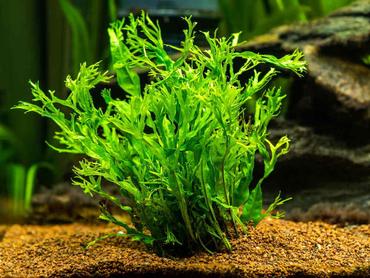
For those looking to balance their ecosystem with more than just chemicals, integrating live plants is a game-changer. Plants serve as a "secondary filter," consuming ammonia and nitrates as food. If you are struggling with high nitrates, check out our guide on beginner-friendly aquarium plants to find species like Anubias or Java Fern that can help stabilize your water chemistry with minimal effort.
Creating a Reliable Testing Schedule
Knowledge is only useful if it is consistent. Establishing a routine ensures that you catch problems before they become catastrophes. Your testing frequency should change based on the age and status of your aquarium.
- New Tank (First 4-6 Weeks): Test for Ammonia and Nitrite every single day. Do not add fish until both have reached 0 ppm and you see a rise in Nitrates.
- Established Tank (6 Months+): Test for Nitrates and pH once a week, preferably the day before your scheduled water change. This helps you determine if your 20% or 30% water change is actually enough to keep nitrates low.
- After a Death or Illness: If a fish dies or looks sick, the very first thing you should do—before adding any medication—is a full suite of water tests. 90% of aquarium problems are water-related.
- After Adding New Fish: Test daily for three days after adding new inhabitants. The increased waste load can sometimes cause a "mini-cycle" as the bacteria adjust to the new bioload.
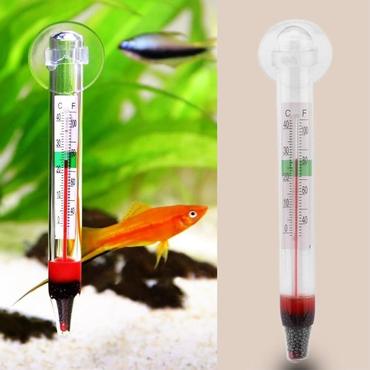
Keep a simple logbook next to your tank or use a spreadsheet. Recording the date, temperature, pH, and nitrate levels will reveal the "health signature" of your aquarium. You will begin to notice that after a heavy feeding, your nitrates jump more than usual, or that during the summer, your pH stays more stable. This data transforms you from a casual observer into a true steward of your aquatic world.
The Takeaway: Your Journey to Aquatic Mastery
Water testing might feel like a chore at first, but it is truly the bridge between being a beginner and becoming a successful aquarist. It removes the guesswork and gives you the confidence to keep more sensitive and beautiful species. By monitoring the "Big Five" parameters, choosing the right tools for your lifestyle, and reacting calmly to the data you collect, you create a sanctuary for your fish that will last for years.
Remember, the goal of an aquarium is to provide a stress-free environment where your fish can flourish. Clear water is a start, but healthy chemistry is the foundation. Every time you pick up a test tube, you are taking a proactive step in ensuring the longevity and happiness of your underwater friends. Use the results to guide your maintenance, choose compatible species that match your local water, and never stop learning about the fascinating chemical processes happening right in your living room.
Do you have your test results ready but aren't sure what to do next? Check out our other guides on aquarium maintenance and fish health to keep your hobby growing. The more you know about the water, the more you will enjoy the fish!


MOST RECENT ARTICLES