PREPARING AN AQUARIUM FOR YOUR VACATION

The Golden Rule of Vacation Prep: Seek Stability, Not Perfection
The most common mistake beginners make is attempting a "total tank overhaul" the day before they leave. This often involves deep-cleaning the substrate, replacing all the filter media, and performing a massive 80% water change. While this comes from a place of love, it is the most dangerous thing you can do. Such drastic changes can trigger a "mini-cycle," where the beneficial bacteria population is decimated, leading to an ammonia spike while you are hundreds of miles away. Instead, your goal should be to reach a state of "stable cruise control" at least 48 to 72 hours before you walk out the door.
To achieve this, you need a tiered maintenance schedule. Two weeks before your trip, perform your heavy maintenance—rinse your filter sponges in old tank water and vacuum the gravel. This gives the biological balance time to settle. One week before, test your water parameters using a reliable liquid test kit. Check your Ammonia, Nitrite, and Nitrate levels. If you notice a slight rise in Nitrates, a standard 25% water change is appropriate. By the time you reach the 48-hour mark before departure, you should avoid touching the internal components of the tank entirely. At this stage, you are simply observing. For more insights on keeping your environment stable, check out our guide on tips for maintaining a healthy freshwater aquarium.
Managing the Feeding Schedule: Less is Always More
One of the hardest concepts for new hobbyists to grasp is that fish do not eat like mammals. In the wild, food is often scarce, and fish have evolved to survive through periods of fasting. Most healthy adult fish, such as Angelfish, Congo Tetras, or Swordtails, can easily go seven to ten days without a single meal without any ill effects. In fact, a short fast can often improve a fish's digestive health by allowing their system to fully clear out.
- The Dangers of Overfeeding: The primary cause of vacation tank failure is not starvation, but water spoilage. If you feed your fish excessively before you leave, or if a well-meaning neighbor drops in too much flake food, that food will rot. Rotting protein-rich food produces Ammonia ($NH_3$), which is highly toxic and can kill an entire tank in 24 hours.
- Automatic Feeders: These are excellent tools if used correctly. If you decide to use one, buy it at least two weeks in advance. Test it on a piece of paper to see exactly how much food it dispenses. Humidity from the aquarium can often cause flake food to clump inside the feeder, potentially clogging it or causing it to dump a large, moldy mass into the water. Using pellet food in these devices is generally more reliable.
- The "Pill Organizer" Hack: If you are hiring a pet sitter or asking a friend to help, do not leave them the entire container of food. The "puppy dog eyes" of a hungry Oscar or a group of Goldfish can trick even the most disciplined person into overfeeding. Instead, use a plastic Monday-Sunday pill organizer. Put the exact amount of food needed for each visit into the slots and hide the rest of the food containers.
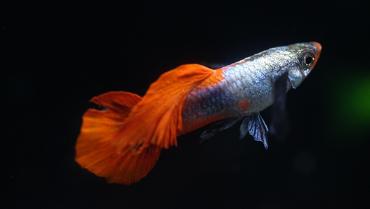
For those keeping Livebearers like Guppies or Mollies, your tank likely already contains a secondary food source. These fish are opportunistic grazers and will spend their vacation picking at algae or biofilms on the glass and plants. This natural foraging behavior is perfectly healthy and keeps them occupied while you are away.
The Critical Importance of Automation and Equipment Safety
Your aquarium is a life-support system that relies on mechanical components. When you are home, you notice immediately if a filter stops humming or a heater stays on too long. When you are away, you need to minimize these "single points of failure." The most vital piece of automation is the lighting timer. Leaving your aquarium lights on for 24 hours a day for a week will result in a catastrophic algae bloom and can cause significant stress to fish species like Cardinal Tetras or Corydoras Catfish, which require a regular day/night cycle to regulate their metabolism.
Evaporation is another significant threat, particularly in smaller tanks or those with open tops. As water evaporates, the concentration of dissolved solids and minerals increases, which can shift the pH and hardness of the water. Furthermore, if the water level drops too low, your heater may become exposed to the air. Most aquarium heaters are designed to be fully submerged; if the glass heating element is exposed to air, it can overheat and shatter, or simply burn out. To prevent this, ensure your tank has a tight-fitting lid or a glass canopy. For saltwater enthusiasts, an Auto Top-Off (ATO) system is virtually mandatory for any trip longer than three days to maintain stable salinity levels.
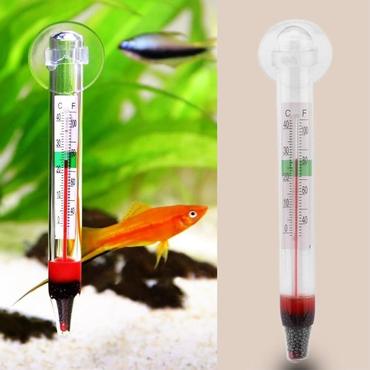
Temperature control is equally important. If you are traveling during the summer, do not turn off your home's air conditioning to save on electricity. A small room can quickly reach 90 degrees Fahrenheit, and a glass tank acts like a greenhouse. Conversely, in winter, ensure your heater is calibrated correctly. For those with larger setups, it is wise to use two smaller heaters rather than one large one. If one fails in the "off" position, the other can usually prevent the temperature from plummeting to lethal levels. To better understand the equipment requirements for different setups, read our article on choosing the right fish for your aquarium size.
Species Compatibility and Behavioral Considerations
When you are not there to supervise, the social dynamics of your tank can change. Hunger, even if not life-threatening, can increase irritability and territorial behavior among certain species. This is where understanding compatibility becomes crucial. Species that are "semi-aggressive," such as Tiger Barbs, Bucktooth Tetras, or various African Cichlids, may begin to nip at the fins of slower-moving tankmates if they are not distracted by regular feeding.
- The "Target" Fish: If you have a community tank with a mix of temperaments, ensure there are plenty of hiding places—PVC pipes, driftwood, or dense plantings. This allows submissive fish to escape the gaze of more dominant individuals during the period when food isn't being used as a distraction.
- Herbivores and Algae Eaters: Species like Bristlenose Plecos, Siamese Algae Eaters, and Amano Shrimp are the ultimate vacation-proof pets. They actually perform better when the owner isn't around to supplement their diet with wafers, as it forces them to do a deep clean of the tank's natural algae.
- The High-Metabolism Exception: While most fish can fast, certain species cannot. Discus fish, especially juveniles, and very small fry have extremely high metabolic rates and very little body fat. If you are raising fry or keeping delicate species like Discus or Ram Cichlids, you cannot leave the tank unattended for more than 48 hours without a reliable feeding plan.
Understanding these nuances is part of becoming an intermediate hobbyist. It is always better to tailor your vacation plan to the most sensitive fish in your collection. If the most sensitive fish is a Neon Tetra, you have a lot of leeway; if it is a breeding pair of German Blue Rams, you need to be much more meticulous.
Common Beginner Pitfalls to Guard Against
Experience is the best teacher, but in the aquarium hobby, experience often comes at the cost of fish lives. To avoid the "horror stories" of coming home to a cloudy, silent tank, be wary of these common beginner pitfalls:
1. The New Equipment Curse: Never install a brand-new filter, heater, or pump the day before you leave. Manufacturing defects are rare but they do happen. If a heater is going to stick in the "on" position and boil your fish, it is most likely to happen in the first 24-48 hours of use. Always burn-in new equipment for at least a week while you are home to monitor it.
2. Chemical Quick-Fixes: Avoid using "Algae Away" or "Clear Water" chemicals right before a trip. These products often work by flocculating particles or using algaecides that can temporarily deplete oxygen levels in the water. If your air pump fails or the temperature rises while these chemicals are active, the resulting oxygen drop can be fatal. For more on maintaining water quality through natural means, see the importance of water testing in your aquarium.
3. Ignoring the "Drip Loop": This is a basic safety measure that is often forgotten. Ensure every power cord leading from the aquarium to the wall outlet has a "drip loop"—a U-shaped sag in the cord that prevents water from splashing or leaking down the wire and into the electrical socket. A slow leak caused by an agitated fish splashing or a filter overflow could lead to a fire or a tripped circuit breaker, shutting off all life support for the tank.
Advanced Preparation: The "Emergency Kit" for Sitters
If you are lucky enough to have a pet sitter who is willing to look at the tank, don't assume they know what to do in a crisis. Even a non-fish-keeping friend can save your tank if you give them the right tools. Create a "Vacation Emergency Kit" and place it right next to the aquarium. This kit should include:
- A bottle of high-quality water conditioner (like Seachem Prime) that can detoxify ammonia in an emergency.
- A spare air pump and air stone (the most common equipment failure).
- Your phone number and the number of a local independent fish store (not a big-box chain) that might be able to offer professional advice.
- A set of clear, written instructions: "If the water looks cloudy, call me." "If the fish are gasping at the surface, plug in the spare air pump."
By providing these resources, you empower your sitter to handle minor issues before they become catastrophes. Most people are afraid of "breaking" an aquarium; giving them a simple plan reduces their stress as well as yours.
Summary and Final Checklist for a Stress-Free Trip
Preparing an aquarium for vacation is ultimately a test of your tank's long-term health. A well-established, under-stocked, and properly filtered aquarium is a resilient beast that can easily withstand a week or two of its owner's absence. The anxiety we feel is often a sign that we haven't quite mastered the routine of the hobby yet. By following the steps outlined in this guide, you are transitioning from a reactive keeper to a proactive one.
Your Final Departure Checklist:
- Water: Topped off to the brim and tested for stability?
- Filtration: Intake cleared of leaves and flowing strongly?
- Power: All equipment plugged into surge protectors with drip loops?
- Lighting: Timers checked and set to a maximum of 8-10 hours?
- Feeding: Feeder tested or portions laid out for a sitter?
- Climate: Home thermostat set to ensure the room doesn't overheat?
Once you have checked these boxes, take a deep breath and step away from the glass. Your fish are hardier than you think, and your preparation has given them the best possible chance to thrive in your absence. When you return, don't be surprised if your tank looks better than when you left—sometimes, the lack of human interference allows the natural ecosystem to find its own perfect balance. For more guides on advancing your hobby and mastering the art of aquascaping and maintenance, continue exploring the expert resources here at RateMyFishTank.com. Safe travels and happy fishkeeping!


MOST RECENT ARTICLES