HOW TO SOLVE COMMON SALTWATER TANK PROBLEMS

How to Solve Common Saltwater Tank Problems
Embarking on the journey of a saltwater aquarium is an exhilarating endeavor that brings a slice of the ocean’s vibrant mystery into your living room, yet it often comes with a steep learning curve that can frustrate even the most dedicated hobbyists. While the transition from freshwater to marine environments offers a stunning array of biodiversity—from the hypnotic sway of soft corals to the architectural beauty of live rock—it also introduces a complex web of chemistry and biological demands. Whether you are battling a sudden bloom of unsightly algae, struggling with fluctuating salinity, or trying to figure out why your prized Tang is acting lethargic, understanding the root causes of these hurdles is the first step toward a thriving reef. This guide is designed to demystify the most common saltwater tank problems, providing you with the expert insights and practical solutions needed to restore balance to your underwater ecosystem and ensure your marine life flourishes for years to come.

Mastering Water Chemistry and Salinity Stability

In a saltwater environment, stability is the golden rule. Unlike freshwater fish, which can often tolerate gradual shifts in pH or mineral content, marine organisms have evolved in the vast, unchanging environment of the ocean. The most common problem beginners face is "swinging" parameters, particularly salinity and alkalinity. When these levels bounce around, it causes osmotic stress, which weakens the immune systems of fish like the Powder Blue Tang (Acanthurus leucosternon), making them prone to parasites.

Salinity fluctuations occur primarily through evaporation. As water leaves the tank, salt stays behind, increasing the concentration. To solve this, many successful hobbyists use an Auto Top-Off (ATO) system. This device uses a sensor to detect when the water level drops and automatically adds fresh RO/DI water. Without an ATO, you are forced to manually add water, which creates a "yo-yo" effect that stresses delicate invertebrates. Furthermore, using a refractometer instead of a plastic hydrometer is essential for accuracy, as hydrometers are notorious for giving false readings due to salt deposits or air bubbles.

Alkalinity Control

Alkalinity is the buffer that keeps your pH stable. In a reef tank, corals consume carbonates to build their skeletons. If alkalinity drops below 7 dKH, your pH will swing wildly between day and night, leading to "RTN" (Rapid Tissue Necrosis) in corals.

The Role of Magnesium

Magnesium is often overlooked but acts as a stabilizer for calcium and alkalinity. If you find it difficult to keep your calcium levels up, check your magnesium. It should ideally be between 1250 and 1350 ppm.

RO/DI Purity

Never use tap water. Even with a conditioner, tap water contains silicates and nitrates that fuel algae. Investing in a four-stage RO/DI system is the single best equipment upgrade for any saltwater enthusiast.

If you find your levels are consistently off, it may be time to re-evaluate your salt mix or your water change schedule.

Battling Nuisance Algae and Cyanobacteria Outbreaks

Nothing ruins the aesthetic of a pristine reef faster than a carpet of green hair algae or the dreaded red "slime" known as Cyanobacteria. These outbreaks are usually a symptom of excess nutrients—specifically nitrates and phosphates—coupled with improper lighting cycles. In many cases, these problems arise from "New Tank Syndrome," where the biological filter is not yet mature enough to handle the bio-load of the fish.

To solve algae problems, you must adopt a multi-pronged approach. First, look at your mechanical filtration. Are you cleaning your filter socks or sponges every few days? If not, trapped waste is breaking down into liquid nitrate. Second, consider your lighting. Running high-intensity reef lights for more than 8 to 10 hours a day is an open invitation for algae. Many beginners over-illuminate their tanks, thinking more light equals more growth, but without nutrient control, this only grows "pest" plants.

Green Hair Algae (GHA)

This fibrous algae can choke out corals. To combat it, introduce biological controls like Mexican Turbo Snails or the Lawnmower Blenny. For chemical control, using a GFO (Granular Ferric Oxide) reactor can strip phosphates from the water, starving the algae.

Cyanobacteria

This is actually a photosynthetic bacteria, not an algae. It thrives in "dead spots" with low water flow. Increasing your turnover rate with high-quality powerheads can prevent the bacteria from settling. Siphoning the red mats out during water changes is essential to export the nutrients they have consumed.

Dinoflagellates

Perhaps the most difficult pest, "Dinos" look like snotty brown bubbles. They often appear when a tank is "too clean" (zero nitrates/phosphates). Balancing your nutrients rather than bottoming them out is the key to preventing this nightmare.

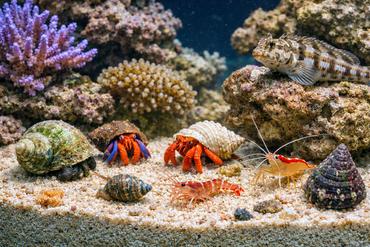
Utilizing a "Clean Up Crew" (CUC) tailored to your tank size is vital. Species like Blue Leg Hermit Crabs and Cerith Snails work tirelessly to keep the rockwork clean. However, remember that the CUC is a supplement, not a replacement for good husbandry and nutrient export via protein skimming.

Managing Fish Health and Preventing Disease

Marine fish are susceptible to various pathogens, with Marine Ich (Cryptocaryon irritans) and Marine Velvet being the most notorious. These diseases can wipe out an entire tank in days if not caught early. The primary cause of disease outbreaks is stress, often resulting from poor water quality, shipping trauma, or aggressive tank mates. Unlike freshwater ich, marine ich has a complex life cycle that can lie dormant in your sandbed for weeks.

The best solution is prevention through quarantine (QT). Every new arrival should spend at least 30 days in a separate tank. This allows you to observe their feeding habits and treat them with copper or praziquantel if necessary without medicating your main display tank, which would kill your corals and invertebrates. If a disease does enter your main tank, the only "true" cure is to remove all fish and let the tank sit "fallow" for 76 days to break the parasite's life cycle.

Marine Ich

Identified by small white spots. Species like Hippo Tangs are often called "Ich magnets." Treatment requires copper-based meds or the "Tank Transfer Method." Raising the temperature does not kill marine ich like it does the freshwater version.

HLLE (Head and Lateral Line Erosion)

Often seen in Angelfish and Tangs, this causes the skin around the face to erode. This is frequently linked to poor nutrition or the use of cheap, dusty activated carbon. Providing a varied diet of high-quality pellets, frozen mysis, and vitamin-soaked Nori is the best prevention.

Brooklynellosis

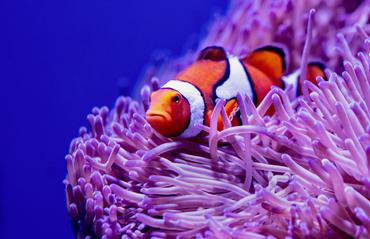
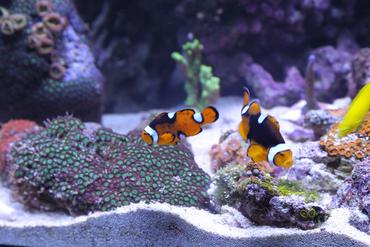
Commonly known as "Clownfish Disease," this is a fast-moving parasite that causes a thick mucus coat on Clownfish (Amphiprion ocellaris). It requires formalin baths and immediate intervention.

Properly diagnosing your fish's symptoms is critical. For more information on identifying and treating common ailments, see our article on common marine fish diseases and how to treat them.

Compatibility and Social Dynamics in the Marine Tank

Many "problems" in a saltwater tank are actually behavioral issues rather than biological ones. Adding the wrong fish to the wrong environment leads to stress, injury, and death. Successful reef keeping requires researching the adult size, temperament, and dietary needs of every inhabitant. A common beginner mistake is buying a fish based on its appearance at the store without realizing it will grow to a foot long or eat its neighbors.

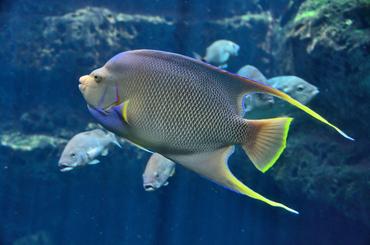
One common mistake is mixing "Reef Safe" and "Non-Reef Safe" species. For example, a Niger Triggerfish might be small and docile at the store, but as it matures, it will likely devour your Cleanest Shrimp and may even flip over corals in search of food. Similarly, many Dwarf Angelfish, while beautiful, are "hit or miss" with corals; they may suddenly decide to nip at your expensive Brain Corals or Acroporas.

Territoriality and Aggression

Damselfish are the classic example of a territorial nightmare. If added first, they will claim the entire tank and kill newcomers. Always add peaceful fish like Firefish or Royal Grammas first, and save aggressive species for last.

Niche Competition

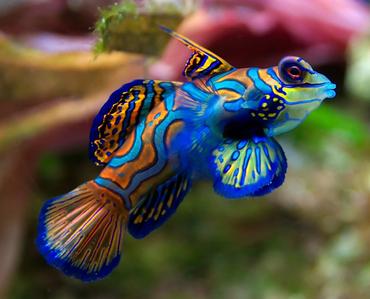
Don't add two fish that occupy the same niche unless the tank is very large. For instance, two Mandarin Dragonets will likely starve unless you have a massive copepod population, as they will compete for the same limited food source.

The "Reef Safe with Caution" Label

Many fish fall into this category. It means they are generally fine until they aren't. Always have a backup plan (like a second tank or a friend who can take the fish) if a "safe" fish starts behaving badly.

Understanding these social dynamics will prevent "mystery deaths" that are actually the result of bullying or starvation. Always cross-reference a compatibility chart and consider the specific swimming needs of your fish. A Yellow Tang needs at least a four-foot tank to swim properly, even if it is small when you buy it.

Solving Technical Failures and Equipment Woes

In the saltwater hobby, your equipment is the life support system for your animals. A heater failure, a clogged protein skimmer, or a burnt-out light bulb can cause a cascade of problems if not caught early. Saltwater is inherently corrosive; the salt itself can find its way into electronics through a process called "salt creep." This crusty buildup can block sensors, jam pump impellers, and even pose a fire hazard if it gets into power strips.

The protein skimmer is perhaps the most important piece of equipment for nutrient control. If your skimmer is overflowing or not producing "nog," you are losing your primary defense against nitrates. This usually happens because of a change in water surface tension—often caused by putting your hands in the tank or using certain epoxy putties. Regular cleaning of the skimmer neck is required to maintain efficiency.

Heater Failsafes

Heaters are the most common equipment failure. They often fail "on," which can cook your livestock in hours. Use an external temperature controller like an Inkbird to cut power to the heater if the temperature exceeds 80 degrees.

Pump Maintenance

Coralline algae and calcium deposits build up on pump impellers. Every six months, soak your powerheads and return pumps in a bath of citric acid or white vinegar to dissolve the scale. This extends the life of the pump and maintains flow rates.

Oxygenation Issues

In the event of a power outage, saltwater tanks lose oxygen much faster than freshwater tanks. Always have a battery-operated air stone on hand. A lack of surface agitation is a silent killer, especially during the summer months when warm water holds less oxygen.

Establishing a routine maintenance schedule is the best way to prevent equipment-related disasters. To help you stay organized, we recommend reviewing our saltwater aquarium maintenance checklist to ensure you never miss a critical step.

Addressing Coral Health and Lighting Problems

For those keeping a reef tank, the problems move beyond fish into the realm of coral physiology. Corals are part animal and part plant (due to the symbiotic zooxanthellae living in their tissues). The most common coral problem is "bleaching," where the coral expels its algae and turns white. This is usually caused by light stress—either too much light too fast or a sudden change in spectrum.

If you are transitioning from older T5 fixtures to LEDs, you must use a "pout" or acclimation mode on your lights. LEDs are much more concentrated and can easily fry delicate corals like Zoanthids or Mushrooms if they are set to 100% intensity immediately. Conversely, "browning out" occurs when corals don't get enough light or have too many nutrients in the water, causing the brown zooxanthellae to overpopulate and mask the coral's natural colors.

Flow for Corals

Corals need water movement to bring them food and carry away waste. Large Polyp Stony (LPS) corals, like Torch Corals, need a gentle sway. If the flow is too strong, the tissue will tear against the skeleton. Small Polyp Stony (SPS) corals, like Acropora, need high, turbulent flow to thrive.

Chemical Warfare

Many corals, especially soft corals like Leathers, release toxins into the water to prevent other corals from growing near them. This is known as allelopathy. Running high-quality activated carbon is the best way to neutralize these chemical signals in a crowded reef.

Pests on Corals

Keep an eye out for Aiptasia (pest anemones), flatworms, and nudibranchs. Dipping every new coral in a dedicated pest-kill solution before adding it to the tank is the only way to ensure you aren't inviting a predator into your reef.

Monitoring your "Big Three" (Calcium, Alkalinity, and Magnesium) becomes even more critical once you add corals. A sudden drop in any of these will stop coral growth and can lead to a crash. Slow, incremental changes are always better than fast "corrections."

Takeaway: Consistency is the Key to Success

Solving common saltwater tank problems is less about finding "quick fixes" and more about cultivating a disciplined approach to aquarium management. Most issues, whether they are chemical imbalances, algae blooms, or disease outbreaks, can be traced back to a lapse in consistency or a shortcut taken during the setup phase. By prioritizing regular water testing, adhering to a strict quarantine protocol, and choosing compatible tank mates, you create a resilient environment that can withstand minor fluctuations. The marine hobby is a marathon, not a sprint; those who take the time to understand the biological needs of their inhabitants will find themselves rewarded with a breathtaking display of nature’s beauty. If you find yourself overwhelmed, take a step back, test your water, and remember that in a saltwater tank, only bad things happen quickly. Good things take time. If you found this guide helpful, don't stop here! Continue your education by exploring our extensive library of articles on reef chemistry, species spotlights, and advanced filtration techniques to keep your tank at its absolute best.

Saltwater and Reef Tank Cycling
Starting a saltwater or reef aquarium is one of the most rewarding journeys a hobbyist can undertake, but the bridge between a glass box of water and a thriving marine ecosystem is a critical process known as "the cycle.
Why is Water Flow So Important in a Reef Tank?
If you have ever stood on a tropical beach and watched the rhythmic surge of the tide or the powerful crash of waves against a coral head, you have witnessed the lifeblood of the ocean in action.

MOST RECENT ARTICLES

Do Aquarium Plants Remove Nitrates? (With Test Results)
DO AQUARIUM PLANTS REMOVE NITRATES? (WITH TEST RESULTS)
Every aquarium keeper eventually battles the dreaded nitrate buildup, relying on endless water changes, gravel vacuuming, and heavy filter maintenance to keep water parameters safe for their fish.
How to Build a Self-Sustaining Ecosystem Aquarium
HOW TO BUILD A SELF-SUSTAINING ECOSYSTEM AQUARIUM
Creating a thriving aquarium doesn't always mean spending your weekends tethered to siphon tubes, chemical test kits, and endless water changes.
Best Fish for Heavily Planted Aquariums
BEST FISH FOR HEAVILY PLANTED AQUARIUMS
A heavily planted aquarium is one of the most stunning centerpieces you can create in the freshwater hobby, transforming a standard glass box into a thriving, dynamic underwater landscape.

Rate This Tank:

SALTWATER AQUARIUM ARTICLES

Getting Rid of Aiptasia in Your Reef Aquarium
Every saltwater hobbyist remembers the thrill of introducing their first piece of live rock or colorful coral fragment into a brand-new home reef aquarium.
Top Commercial Foods for Saltwater Fish
If you’ve ever stood in front of a wall of aquarium food bags and jars wondering what products actually deliver on nutrition for your saltwater fish, you’re not alone.
Best Beginner Saltwater Fish for 2025: Easy, Colorful Species for New Reefkeepers
Starting a saltwater aquarium is often viewed as the "final frontier" of the fishkeeping hobby, a complex endeavor reserved for those with years of experience and deep pockets.

AQUARIUM MAINTENANCE

Aquarium maintenance is the key to keeping your tank healthy. The articles in this category will help you learn how to maintain your tank properly.

Kalkwasser for the Marine Tank
Kalkwasser is one of the most powerful—and often misunderstood—tools available to marine aquarium hobbyists.
What You Need to Know About pH in Marine Aquariums
pH is one of the most talked-about — and often misunderstood — parameters in marine aquariums.
Why is Water Flow So Important in a Reef Tank?
If you have ever stood on a tropical beach and watched the rhythmic surge of the tide or the powerful crash of waves against a coral head, you have witnessed the lifeblood of the ocean in action.
How to Solve Common Saltwater Tank Problems
Embarking on the journey of a saltwater aquarium is an exhilarating endeavor that brings a slice of the ocean’s vibrant mystery into your living room, yet it often comes with a steep learning curve that can frustrate even the most dedicated hobbyists.
Choosing the Correct Temperature for a Marine Aquarium
Temperature is one of the most underestimated yet critical factors in maintaining a healthy marine aquarium.
Maintenance Schedule for Reef Tanks
Reef tanks are often described as living works of art, but behind every thriving coral reef aquarium is a consistent and well-planned maintenance routine.
Why Do Fish Disappear from the Saltwater Tank?
Few experiences are more unsettling for a saltwater aquarist than waking up to find a fish missing with no obvious explanation.
How to Deal with Marine Fungus in the Saltwater Aquarium
Marine fungus — that cottony, white, or gray growth on your fish’s body, fins, or mouth — can be one of the most frustrating problems for saltwater aquarium hobbyists, especially when it appears out of nowhere.
Salinity Requirements in a Saltwater Aquarium
Salinity is one of the most critical — and often misunderstood — parameters in a saltwater aquarium.
Saltwater and Reef Tank Cycling
Starting a saltwater or reef aquarium is one of the most rewarding journeys a hobbyist can undertake, but the bridge between a glass box of water and a thriving marine ecosystem is a critical process known as "the cycle.
Dealing with Hard Water in the Saltwater Tank
For many aquarists making the exciting leap from freshwater to marine setups, water parameters can quickly feel like a confusing maze of shifting chemical terms.
The Dangers of High Ammonia, Nitrite and Nitrate
Every aquarium keeper, whether maintaining a 10-gallon desktop tank or a 125-gallon display, quickly learns that water clarity does not equal water quality.
The Benefits of Algae in Saltwater Tanks
Mention the word "algae" to a beginner marine aquarist, and you will usually get a reaction ranging from a deep sigh to outright panic.
How to Modify PH in a Saltwater Tank
Maintaining a thriving marine environment requires careful attention to water chemistry, and few parameters are as critical—or as frequently misunderstood—as pH.
What NOT to do with a Saltwater Tank
Starting a saltwater aquarium is one of the most rewarding endeavors a fish hobbyist can embark upon, offering a vibrant window into the complex, mesmerizing world of marine life.
How to Remove a Mantis Shrimp From a Saltwater Aquarium
Few things match the sudden jolt of panic a saltwater hobbyist feels upon hearing a sharp, metallic clicking sound echoing from their aquarium late at night.
Maintaining Your Saltwater Tank
The transition from setting up a saltwater aquarium to successfully maintaining one is where the real "magic" of the hobby happens.
Read more articles (17) Aquarium Setup (11)
Saltwater Aquariums
Saltwater Aquariums
The allure of the ocean is undeniable, and bringing a slice of that mysterious, vibrant world into your home through a saltwater aquarium is one of the most rewarding challenges a hobbyist can undertake.
Setting Up A Saltwater Tank System
Setting up a saltwater tank is often viewed as the "final frontier" for aquarium hobbyists, a transition from the manageable world of freshwater into a vibrant, complex marine ecosystem.
Getting The Tank Ready
Embarking on the journey of setting up a new aquarium is one of the most rewarding experiences a hobbyist can have, yet it is also the phase where the most critical, and often avoidable, mistakes are made.
Saltwater versus Freshwater Aquariums
Diving into the world of fishkeeping is an incredibly rewarding journey, but before you pick out your first tank or fall in love with a specific species, you face a foundational crossroads: saltwater versus freshwater.
How to Start a Brackish Tank
Brackish water aquariums occupy a fascinating middle ground between freshwater and saltwater ecosystems, representing the dynamic coastal estuaries, mangrove swamps, and tidal river mouths where river currents meet the ocean[cite: 1].
Preparing Saltwater for your Marine Tank
Transitioning into the marine side of the aquarium hobby is an exhilarating step, but the shimmering clarity of a pristine reef tank starts long before your first clownfish or royal gramma enters the display.
Handy Aquarium Accessories and Devices
Setting up your first aquarium—or upgrading a thriving community tank—is an exciting journey, but maintaining crystal-clear water and healthy livestock can quickly become overwhelming without the right gear.
Types of Saltwater Tanks: Fish-Only, FOWLR and Reef Tanks
Saltwater aquariums offer some of the most visually striking and rewarding experiences in the fishkeeping hobby, but choosing the right type of marine tank is critical to long-term success.
Stocking a Brackish Aquarium
A brackish aquarium is an exciting challenge for the aquarium hobbyist.
Tips for Keeping Nocturnal Fish in the Marine Aquarium
While most marine aquarium hobbyists spend their days admiring the vibrant colors and frantic activity of their fish under bright reef lights, a secret world wakes up just as the sun goes down.
What Are the Biggest Saltwater Aquarium Mistakes and How Do You Fix Them?
Setting up a saltwater aquarium is often viewed as the pinnacle of the fish-keeping hobby, offering access to neon-colored corals and some of the most charismatic marine life on the planet.
Reef Tanks (13)
Reef Aquariums
Reef Aquariums
Building a successful reef aquarium is one of the most rewarding pursuits in the fishkeeping hobby, transforming a simple glass tank into a vibrant, living slice of the ocean right in your home.
What is a Nano Reef?
A nano reef aquarium is a small-scale marine ecosystem, typically under 30 gallons in capacity, designed to support live corals, saltwater fish, and invertebrates in a compact footprint.
Set-up Guide for a Reef Tank
Few hobbies match the captivating beauty of a thriving saltwater reef tank, where vibrant corals, energetic invertebrates, and brilliant marine fish come together to form a living piece of the ocean inside your home.
Types of Coral for Reef Tanks
Stepping into the world of reef keeping is one of the most rewarding journeys in the aquarium hobby, transforming a simple glass tank into a vibrant, living underwater ecosystem.
Feeding Corals -  Keeping Your Saltwater Invertebrates Healthy
Feeding Corals - Keeping Your Saltwater Invertebrates Healthy
If you want to keep your saltwater or reef tank healthy, you need to learn the basics of feeding corals.
Common Myths and Problems Regarding Nano Reef Tanks
If you’re excited about setting up a nano reef tank — a beautiful miniature version of a coral reef right in your living room — you’ve probably encountered a mix of great advice and confusing misinformation.
Bristle Worms in the Marine Tank
If you’ve ever peeked into the sand bed of your marine tank and noticed tiny, segmented worms with bristly legs slithering around, you’re not alone.
Recommended Species for Nano Tanks
Nano aquariums prove that great things really do come in small packages.
How to Care for Marine Blue Sponges
The Marine Blue Sponge (specifically the Haliclona species) is one of the most striking additions a hobbyist can introduce to a saltwater aquarium.
Beginner Coral Species: Low-Light Corals
Transitioning from a fish-only saltwater tank to a vibrant reef aquarium is one of the most exciting milestones in the hobby, but it often comes with a steep learning curve and the intimidating prospect of expensive lighting upgrades.
Reef Aquariums: Is Bigger Really Better?
One of the most debated questions in the reef-keeping community is whether a hobbyist should start with a small, manageable "nano" tank or dive headfirst into a massive, multi-hundred-gallon display.
The Top 5 Most Colorful Corals for a Saltwater Tank
Walking into a local fish store and seeing a high-end reef display for the first time is often what hooks people into the saltwater hobby.
Tips for Using Rockwork in Saltwater and Reef Aquariums
In the high-stakes world of saltwater and reef keeping, the rockwork—often referred to as the "aquascape"—is the literal and figurative foundation of your entire ecosystem.
Aquarium Lighting (3)
Saltwater Aquarium Lighting and Heating
Lighting and heating are two of the most important—and often misunderstood—components of a successful saltwater aquarium.
Tips for Lighting a Reef Tank
Lighting a reef aquarium is one of the most exciting yet intimidating milestones for any marine hobbyist, marking the transition from a simple fish-only setup to a living, photosynthesizing underwater ecosystem.
UV Sterilizers for Reef Aquariums
A UV sterilizer is a valuable piece of equipment to add to your reef tank or fish-only saltwater aquarium.
Heating and Filtration (8)
Saltwater Aquarium Filtration
Embarking on the journey of saltwater aquarium keeping is like opening a portal to one of Earth's most complex and beautiful ecosystems.
What is Protein Skimming?
If you have ever spent time wandering along a coastal beach, you have probably noticed patches of thick, white sea foam washing up where the waves crash against the shore.
How to Keep Your Saltwater Aquarium from Overheating
Maintaining a stable environment is one of the most critical aspects of running a successful marine aquarium, yet many hobbyists overlook the subtle threat of rising temperatures until it is too late.
What is an Aquarium Sump?
For many beginner aquarists, peering into the cabinet underneath a high-end display tank can feel like looking into the engine room of a submarine.
Common Problems with Heating in Saltwater Tanks
Maintaining a stable marine environment is one of the most rewarding challenges in the aquarium hobby, yet heating issues remain a top cause of sudden livestock loss for beginner and intermediate saltwater aquarists.
Foam Build-up on Saltwater Tank Surface
Walking up to your marine display only to find a layer of thick, white, or yellowish foam gathering across the surface can be an unsettling sight for both beginner and experienced hobbyists.
Reverse Osmosis for the Saltwater Tank
If you’re diving into the world of saltwater aquariums — whether it’s a fish-only system or a thriving reef full of corals and invertebrates — one of the most important factors in your success is the water you *start* with.
Wavemakers for Saltwater Tanks
In a thriving saltwater aquarium, water movement is just as important as filtration and lighting.
Nutrition and Feeding (5)
Tips for Feeding Saltwater Aquarium Fish
Maintaining a vibrant, thriving marine aquarium requires far more than balancing salinity and setting up high-end lighting; it demands a deep understanding of the diverse nutritional needs of your livestock.
Nutritional Needs of Saltwater Aquarium Fish
Maintaining a vibrant, thriving saltwater aquarium is one of the most rewarding pursuits in the fishkeeping hobby, yet many aquarists discover that keeping marine life healthy requires far more than pristine water parameters and high-end lighting.
Live Foods for Marine Fish
Transitioning from a basic freshwater setup to a vibrant marine aquarium is an exhilarating step for any hobbyist, but keeping saltwater species healthy requires a sharp focus on proper nutrition.
How to Raise Brine Shrimp
Culturing your own live foods is one of the most effective ways to upgrade your fishkeeping routine, and learning how to raise brine shrimp (Artemia) is by far the easiest place to start.
Tips for Getting Fussy Fish to Eat
Few things worry aquarium hobbyists more than a fish that refuses to eat.
Saltwater Fish Diseases (5)
How to Prevent Saltwater Fish Diseases
Maintaining a vibrant saltwater aquarium is one of the most rewarding endeavors in the fishkeeping hobby, yet few experiences are as disheartening as watching a prized fish succumb to a preventable illness.
How to Deal with Marine Ich in the Saltwater Aquarium
Every experienced saltwater hobbyist remembers the stomach-drop moment of shining a flashlight into their tank after lights-out, only to find their prized Yellow Tang or pair of Clownfish looking as if they have been dusted with coarse table salt.
Good Medications to Keep on Hand
Every aquarist eventually faces that stomach-dropping moment: you walk up to your display tank with a handful of flake food, only to notice your favorite Neon Tetra dusting itself against the gravel, or your Betta sitting on the substrate with frayed, pale fins.
Common Saltwater Aquarium Fish Diseases
Few experiences in the aquarium hobby are as disheartening as watching a thriving, colorful marine ecosystem succumb to a sudden disease outbreak.
How to Treat Saltwater Aquarium Parasites with Freshwater
Creating a thriving community aquarium is perhaps the most rewarding endeavor in the fish-keeping hobby, offering a dynamic window into an ecosystem where diverse species coexist in a delicate biological balance.
Aquarium Decorations (3)
Creating an Aquascape and Choosing Fish
Creating an underwater landscape that is both visually stunning and biologically stable is one of the most rewarding milestones for any aquarium enthusiast.
How to Cure Your Live Rock Before Placing it in Your Aquarium
Starting a new saltwater aquarium is one of the most exciting ventures a fish enthusiast can undertake, but navigating the setup process requires patience, dedication, and a solid understanding of biological filtration.
Creating Your Own Live Rock for Saltwater Tanks
Live rock is widely considered the beating heart of a thriving saltwater aquarium, functioning as both a natural biological filter and the structural foundation for your marine aquascape.
Stocking the Tank (27)
Clownfish in the Reef Aquarium
If you’ve ever peered into a vibrant reef aquarium and watched a pair of clownfish dart in and out of a swaying anemone, you understand why these charismatic fish are among the most beloved in the hobby.
Choosing the Right Butterflyfish for Your Reef Tank
With their delicate, disk-like bodies and intricate color patterns, Butterflyfish are often the first species that come to mind when people envision a vibrant coral reef.
What's That? The Top 10 Strangest Looking Saltwater Fish
There are some odd=looking animals out there but these ten saltwater fish are among the strangest.
Why Are Tangs Some of the Best Fish for Reef Tanks?
For many saltwater aquarium enthusiasts, tangs are the crown jewels of the reef tank: dazzling colors, active personalities, and a knack for keeping nuisance algae in check make these fish stand out in the marine hobby.
Marine Shrimp for the Saltwater or Reef Tank
While fish are often the main attraction of a marine aquarium, no reef or saltwater setup is truly complete without the addition of marine shrimp.
Keeping Moray Eels in the Marine Tank
Few creatures in the marine world command as much respect and curiosity as the Moray Eel.
Top Recommendations for Tank-Raised Saltwater Fish
The marine aquarium hobby is currently witnessing a silent revolution that is fundamentally changing how we stock our tanks and preserve our oceans.
Hermit Crabs in Saltwater Tanks
Hermit crabs are often marketed as simple, “set-and-forget” cleanup crew members for saltwater aquariums, but the reality is far more nuanced.
Guide for Keeping Anemones in a Reef Tank
Sea anemones are among the most captivating inhabitants of reef aquariums, offering vibrant color, dynamic movement, and an interactive presence that few other invertebrates can match.
Keeping Lionfish in the Home Aquarium
Lionfish are among the most striking and instantly recognizable marine fish available to home aquarists.
Sea Cucumbers for Reef Tanks
Sea cucumbers are fascinating and underappreciated invertebrates that can bring both natural beauty and beneficial functions to your reef tank.
Selecting and Caring for Saltwater Angelfish
Saltwater angelfish are some of the most colorful saltwater fish available.
Keeping and Breeding Mandarinfish
Mandarinfish are a small, colorful species of saltwater aquarium fish.
Tank-Raised Fish for Saltwater Aquariums
For decades, the saltwater aquarium hobby relied almost exclusively on fish harvested directly from coral reefs across the globe.
Saltwater Fish Article Database
The transition from a freshwater setup to a marine environment is often described by hobbyists as moving from black-and-white television to high-definition color.
Caring for Saltwater Gobies
Saltwater gobies are widely considered some of the most charming, functional, and visually captivating species in the marine aquarium hobby.
The Secret to Keeping Seahorses
Seahorses are undeniably among the most mesmerizing creatures in the entire marine realm, charming aquarium enthusiasts with their prehensile tails, upright posture, expressive eyes, and graceful, deliberate movements.
The Benefits of Snails in the Saltwater Tank
When hobbyists talk about setting up a successful marine aquarium, colorful reef fish like Ocellaris Clownfish and vivid corals usually take center stage, but behind every pristine reef environment is an unsung hero working tirelessly around the clock: the humble saltwater snail.
Understanding the Coloration of Saltwater Fish
Entering the marine aquarium hobby often begins with a single moment of awe: watching a vibrant yellow tang glide past a rich reef backdrop or seeing the electric violet and gold hues of a royal gramma flash through live rock.
Sea Urchins in the Saltwater Tank
Adding a sea urchin to your saltwater aquarium is one of the most effective and fascinating ways to tackle nuisance algae while introducing a truly captivating invertebrate to your marine ecosystem.
Tips for Caring for Tangs Properly
Known for their vibrant coloration, sleek aerodynamic profiles, and tireless activity, tangs—also commonly referred to as surgeonfish—are among the most iconic inhabitants of the marine aquarium hobby.
The Benefits of Purchasing Saltwater Fish Online
Transitioning into the vibrant realm of marine aquariums is one of the most rewarding journeys a fishkeeper can undertake, yet stocking a reef or fish-only tank often presents a frustrating challenge when relying solely on local fish stores.
Commonly Available Reef-Safe Fish & Invertebrates
Building a thriving saltwater aquarium is one of the most rewarding milestones in the fishkeeping hobby, but transitioning into the world of live corals introduces an entirely new set of rules.
Saltwater Species That Should Not be Kept by Beginners (and Sometimes not Even by the Experienced)
Walking into your local fish store and gazing into the vibrant depths of a well-maintained saltwater display tank is an intoxicating experience.
Establishing up a Clean-up Crew in Your Saltwater Aquarium
Starting a saltwater aquarium is one of the most rewarding journeys in the fish-keeping hobby, but it does not take long for a beautiful new setup to face its first major challenge: the inevitable algae bloom.
Stocking Salt Water Reef Tanks
Stocking a saltwater reef tank is one of the most exciting yet challenging parts of the aquarium hobby.
What Are Good Saltwater Fish For Beginners
The allure of a saltwater aquarium is undeniable, offering a window into a world of electric neons, intricate behaviors, and some of the most fascinating biological relationships on the planet.

READ AQUARIUM ARTICLES